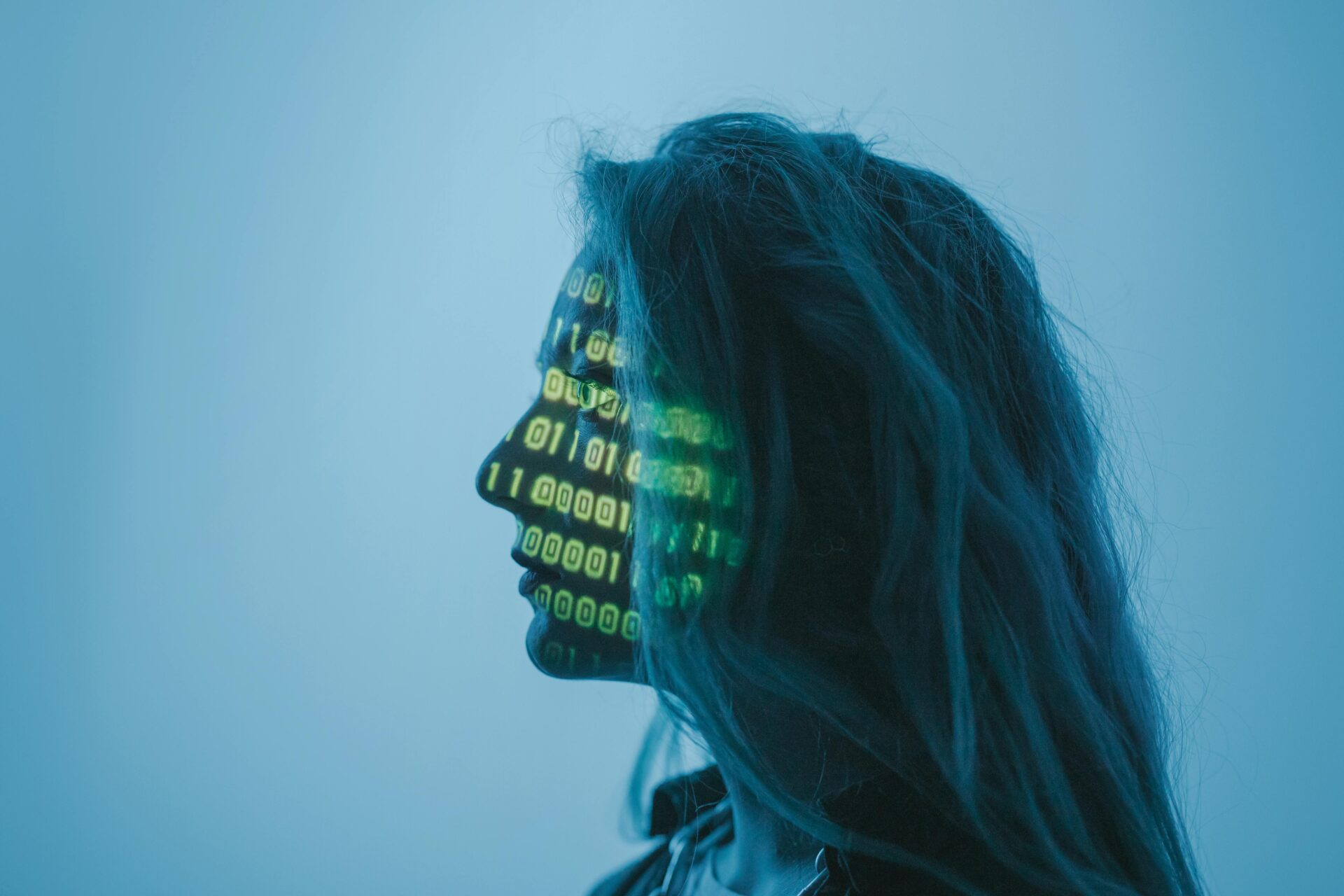
Online scams are everywhere, and as we head closer to silly season, they may be popping up in new places, playing with our hearts. Today, we examine how AI-generated images are being used in crowdfunding to mislead us, and what to look out for in the future.
South Africa (31 October 2025) – The AI conversation continues to both inflame, influence and infuriate many of us. Whether you are for or against it, the truth is that AI is here, so we need to be aware of it, learn to spot when it’s used, and encourage its responsible use.
Yesterday, Good Things Guy got an email from a person wanting to do some good for a homeless man in need. They sent their submission to our email and asked for help spreading awareness for their crowdfunding campaign.
The story was heartfelt, really pulled on one’s heartstrings, and I was wholeheartedly invested. I went to assess the crowdfunding element (this is something we do with every story where funds are being raised), and things shifted.
The images shared didn’t quite look right, but not being dismissive right away, knowing many South Africans do not have cellphones that take high-quality HD photos, I downloaded them and got the answer I needed almost immediately.
The file names for the images still had the Grok details. Grok is one of the many AI platforms available for free use, and once I saw the relevant file names, I realised that this was likely a scam to try to use crowdfunding as a tool to get money from people. My plan initially was to use AI to assess the images. AI is pretty good at spotting other AI content, so there is a tip for you if you are ever unsure.
I asked AI what it generally looks for, and it shared:
- Odd number of fingers or warped hands
- Blurry or melted objects
- Repeating patterns in hair or fabric
- Weird glassy eyes
- Fabrics that don’t fall or fold correctly
I then alerted our editorial team and contacted the crowdfunding provider to inform them that this new campaign was slightly misleading.
These things happen. It’s not the first time someone has used crowdfunding to scam people. Thankfully, there are processes in place for verification, and should a fund fail its verification process, like this one likely would have, the money would never have been paid out.
At Good Things Guy, we always tell people who ask for help to please select a crowdfunding partner of their choice to help them raise funds for their cause. Crowdfunding is an essential tool in South Africa, and the platforms available locally do their utmost to protect donors. For us, having people use a public fund offers transparency and protection. We will never share a person’s private banking details, as we have no way to verify where that money goes.
Related Stories
 St John's Choir 'Heals the World' with Michael Jackson Performance
 Dear Tired Humans, You’re Actually Doing Okay!
We genuinely value our readership, and this story made us realise that we should probably speak up. Whether it’s our team here at Good Things Guy or the teams working to verify new crowdfunds, at some point, someone will figure out if you are trying to pull the wool over our eyes. We see you, and it’s not cool!
So, how can you stay informed about AI while also supporting causes that are close to your heart? Well, firstly, follow trusted sources. Registered charitable organisations are committed to transparency, as are crowdfunding platforms that manage donations. We strive to vet and verify every article we share, ensuring that if funds are raised for a cause, the story can be trusted.
Learning when and how to spot AI is still quite tricky. I often take a moment or two before realising the video of a big bear getting frightened by Halloween decor isn’t actually real. My Ouma regularly sends me things to vet for her via WhatsApp, and it’s almost always fake. But the great news is that she is asking me to check. I work on double-checking things, asking critical questions (often just to myself) and making sure both my Ouma and you, our readers, are never deceived by potentially harmful AI or online scams.
We are not against the use of AI for crowdfunding. If you need a helping hand to write your campaign, to get your thoughts across in a more eloquent way, who are we to judge? Or you make a beautiful campaign video and ask AI to narrate it for you, that’s still a huge amount of effort! But the use of AI to mislead is disingenuous and dangerous. Why should we have to question every plea for help? It is just one of those extra steps we have to take.
And maybe we have this one all wrong; perhaps the story is very real, and there really is a homeless man in need. But then disclosure becomes essential. Saying “Hey, I have this cause I want to raise funds for, but I didn’t get consent to share photos, so here is an AI-generated image to help get my message across”, is honest. Go with that!
As we head into the silly season, we urge you to exercise caution. Be extra vigilant and don’t be afraid to question something. Look twice before clicking links. Check who is sending you the thing you simply cannot miss.
We will be sharing a look at how to spot AI-generated content in the coming week. Funny enough, that conversation started long before this crowdfunding submission was sent in. But now we see it’s more important than ever to help you spot the good from the Grok.
Update: Psssst, read the follow-up here.
 by
by