A group of Cape Vernal Pools, a rare and endangered type of seasonal wetland ecosystem, have been officially protected as the land was converted to a Nature Reserve.
Western Cape, South Africa (30 July 2025) – Capetonians meet the Franco Three Fountains Nature Reserve, which has officially been declared a protected area. The area is home to Cape Vernal Pools (a rare and endangered type of seasonal wetland ecosystem found within the Greater Cape Floristic Region).
With the help of CapeNature, The Franco Property Trust, founded by Tony and Jodie Franco, has been able to convert the privately owned 20 hectares into a protected space. The reserve was declared on 11 April 2025 and is situated within the Three Fountains Estate in the Klein Dassenberg smallholdings area.
CapeNature facilitates the legal administrative process to declare these sites as protected areas in terms of the National Environmental Protected Areas Act (NEMPAA), creating safer spaces for wildlife to enjoy.
A botanical survey of the site recorded 156 different plant species, including 22 species of “conservation concern”. A few of these are recognised as being Critically Endangered, while several more are listed as Endangered. The move to make this happen will protect the unique vegetation type, previously unrepresented across the CapeNature conservation areas.
The reserve is home to Atlantis Sand Fynbos and Swartland Shale Renosterveld. It also protects seasonal wetlands, vernal pools and ephemeral streams that feed into the Donkergat River system and ultimately drain through Blaauwberg Nature Reserve into the Atlantic Ocean at Melkbosstrand.
Trustee Jodie Franco said she was proud to see the land formally recognised for its ecological importance.
“What began as an effort to clear invasive plants has grown into a long-term commitment to restoring rare and threatened habitats. The declaration is an example of what is possible when private landowners embrace conservation as a shared responsibility.”
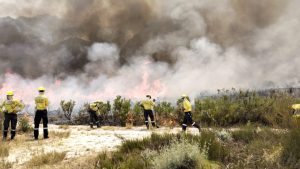
The teams began the clearing operation in 2022, focusing on invasive alien plants such as Rooikrans and Port Jackson. A major wildfire that same year destroyed infrastructure and impacted recovering plant populations, but teams doubled down on rehabilitation efforts and by 2024, the site had entered a maintenance phase, with reinstalled fencing and signage and an ambitious replanting programme.
To date, more than 3,000 Cape thatching reed (Elegia tectorum) seedlings and nearly 1,000 translocated wetland and fynbos plants, rescued from nearby developments, have been introduced to restore ecological balance and habitat resilience.
Related Stories
 Community Steps in to Save Felix from Cruel Death – Look at Him Now!
 UWC Students Capture and Showcase the Gem on Their Doorstep
Now, the space can flourish and bloom, just as nature has intended.
 by
by