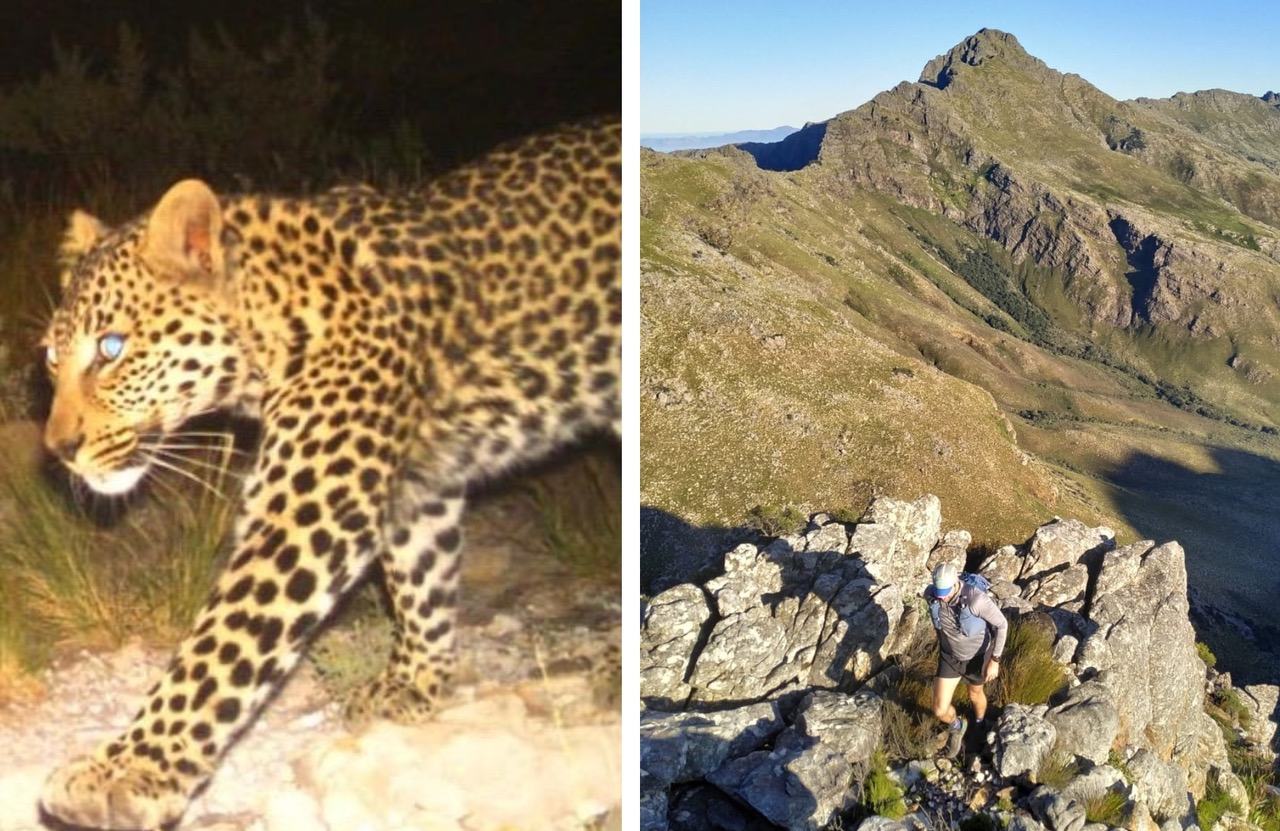
Search and rescue team finds a rare bucket-list ‘easter egg’ during a search for an overdue runner in the Jonkershoek mountains!
Stellenbosch, South Africa (04 June 2026) – Late one afternoon, a runner was reported overdue in the Jonkershoek mountains. Two mountain search and rescue teams headed in that evening for the rescue.
Thankfully, the hiker was found safe the next morning. He’d taken a wrong turn at the summit and trundled down the wrong side of the mountain…
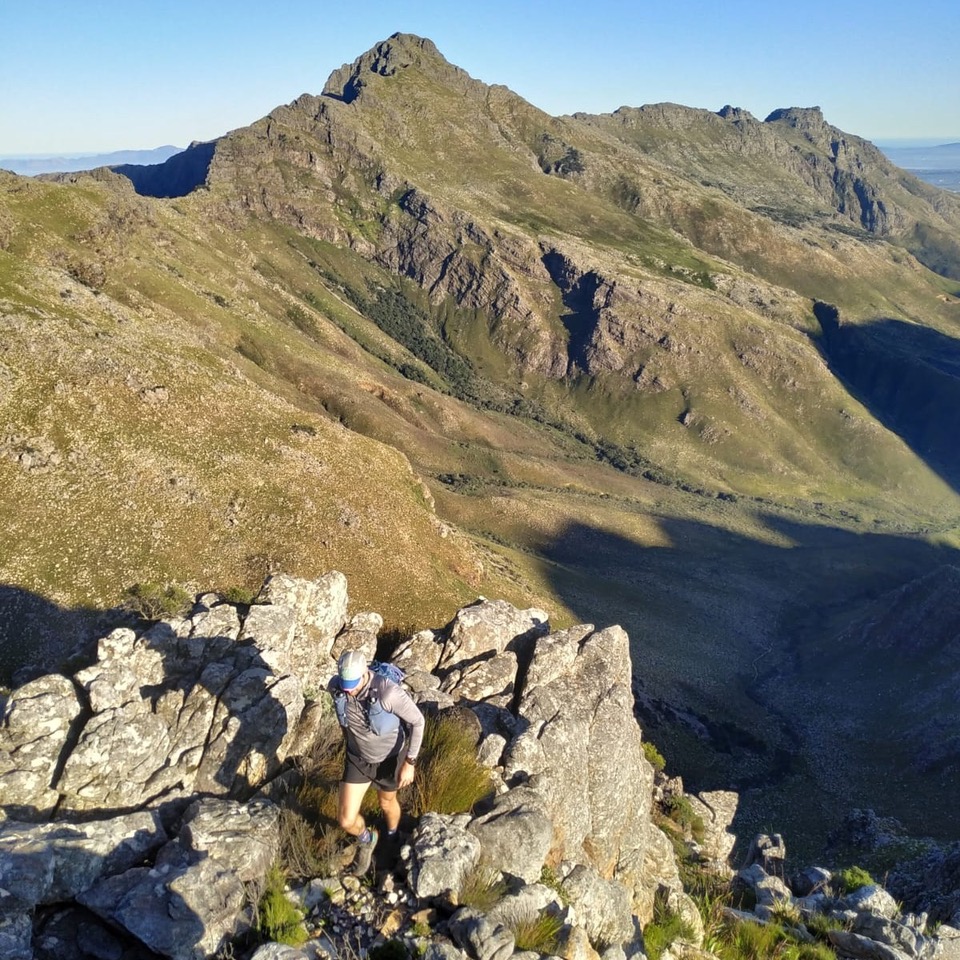
But one of the teams came home with an epic story of their own!
“This WSAR search was nonetheless noteworthy…” the organisation shares. “One of the teams found more than they bargained for.”
High up on a mountain trail, they came around a corner and stopped. A Cape leopard was right there in front of them. For a moment, nobody moved. Then the cat slipped back into the mountain and was gone.
“On a trail high up the mountains, the search team came upon a Cape Leopard and for a brief moment exchanged glances with the graceful feline.”
Cape Leopards are the last of the big wild cats that once moved freely across the entire Western Cape. They’re smaller than leopards found elsewhere in Africa, though they are not considered a species of their own.
They are rarely seen and notoriously difficult to track. Most people who spend years hiking these mountains never see one. The MSAR called it a ‘bucket list, easter egg’ sighting for this reason!
The Cape Leopard Trust has been running camera trap surveys across the Boland Mountain Complex – which takes in Jonkershoek – for years. Their 2025 survey picked up 38 individual leopards across the area, including females with cubs. One of them, Stella, has held her territory on Simonsberg since 2010.
Related Stories
 Soweto Residents Turn Neglected Spaces Into Beautiful Gardens
 Charity Golf Day Raises R600,000 for Table Mountain's Volunteer Heroes!
“The survey has collected a total of 647 leopard images, and leopards were photographed at 72% of the camera trap stations over the five-month survey period.” the trust shared. “So far, we have ID’d 38 different cats, with 22 males, 11 females and 5 of unknown sex. At least two of the females also had cubs.” it added. “Several of these leopards have been recorded quite a few times over the course of the past few years by private landowners with their own camera traps…This indicates that individual leopards remain in the same area for a relatively long period – an encouraging result…”
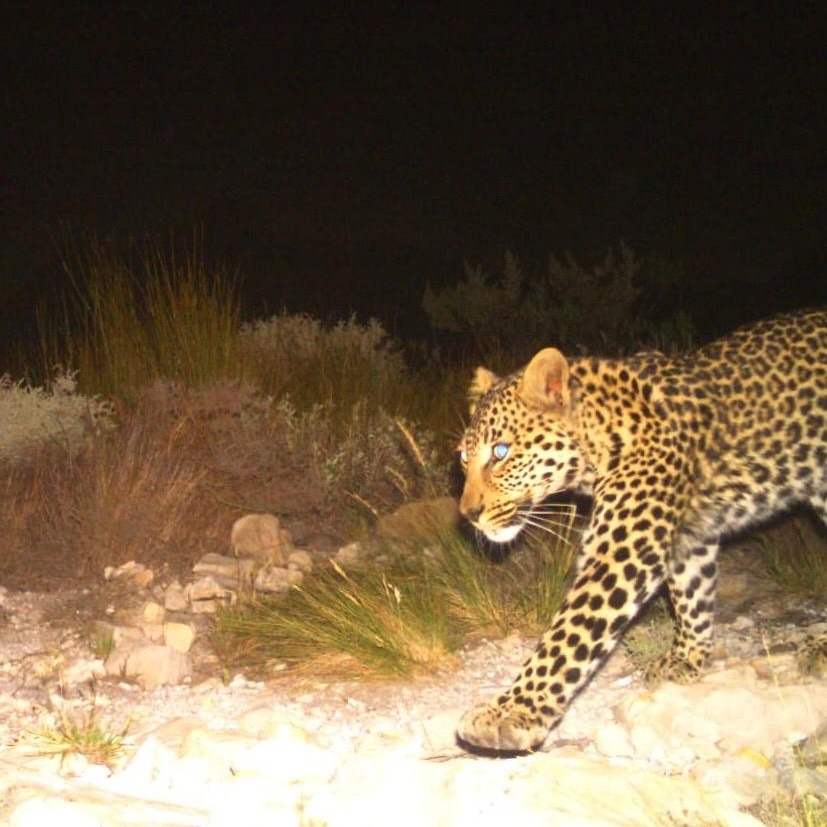
A camera trap image was captured (see above) around the same time as the rescue team’s sighting, just a few kilometres away – close enough that it could easily be the same animal.
“Given the average size of their territories, this may even be the leopard the team saw that evening.”
 by