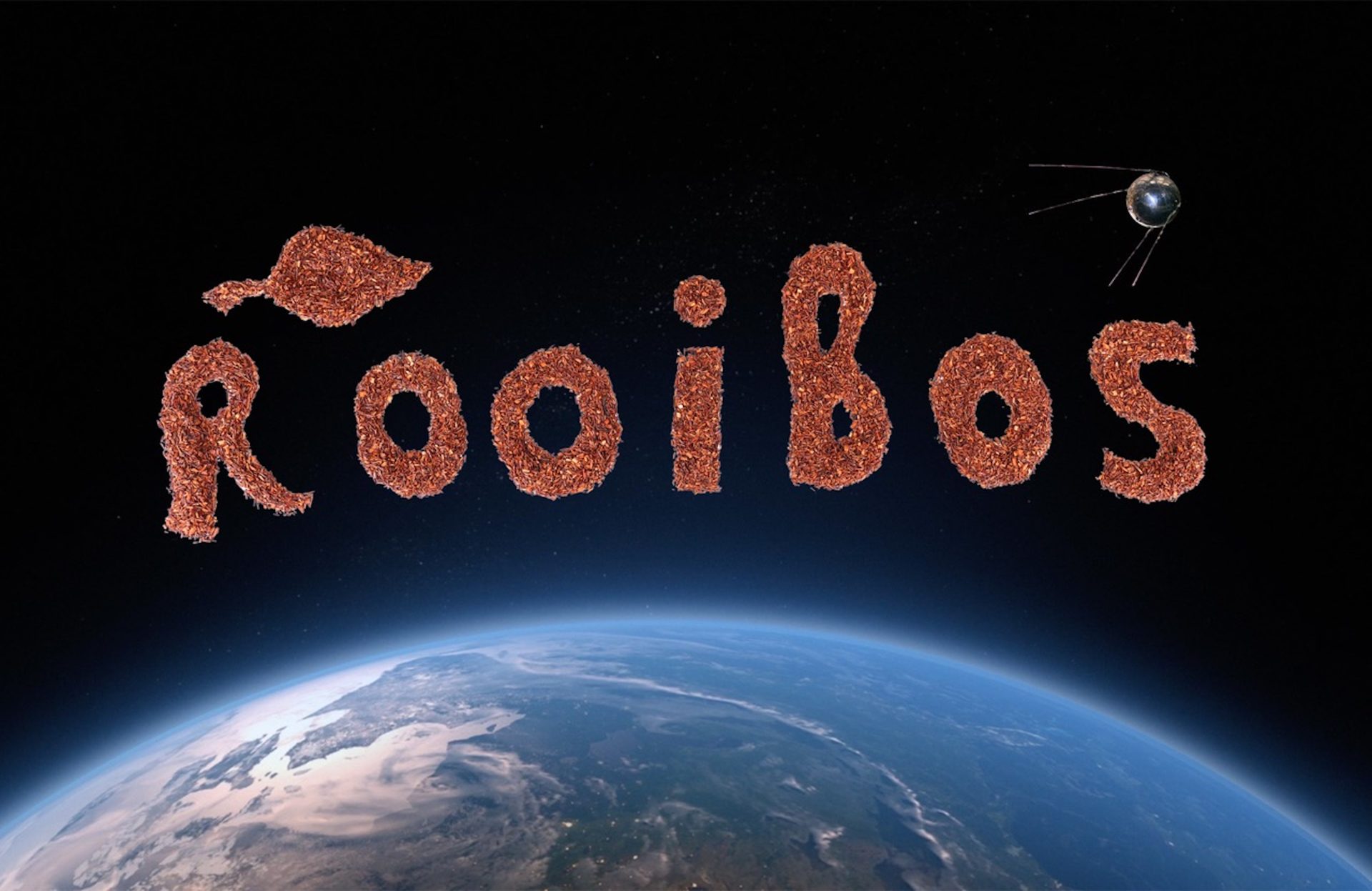
Rooibos is about to go where no tea has gone before… straight to the International Space Station!
South Africa (17 July 2026) – This week, at Parklands College’s Innovation Centre in Cape Town officially launched the Rooibos in Space programme, a first-of-its-kind project sending Rooibos seeds into orbit while school learners get to experience hands-on space science.
The project is a collaboration between the South African Rooibos Council (SARC), MaxIQ Space, and the South African National Space Agency (SANSA). Together, they’re combining growing incredible Rooibos, and nurturing bright young minds.
In October, a batch of Rooibos seeds will blast off from Cape Canaveral aboard a SpaceX Falcon 9 rocket, riding along on a NASA cargo spacecraft headed for the ISS. Once there, astronauts will tuck the seeds safely into the station’s research modules, where they’ll spend six weeks in microgravity, soaking up space radiation, before making the long trip home.
When the seeds splash back down on Earth, they’ll be planted right back in the Cederberg, the birthplace of Rooibos, alongside a set of ordinary ‘control’ seeds that never left the ground.
From there, learners from seven schools in the region will get to work, measuring how well each batch germinates, grows and thrives, and comparing the results side by side. A parallel experiment at Parklands College will add more data to the mix.
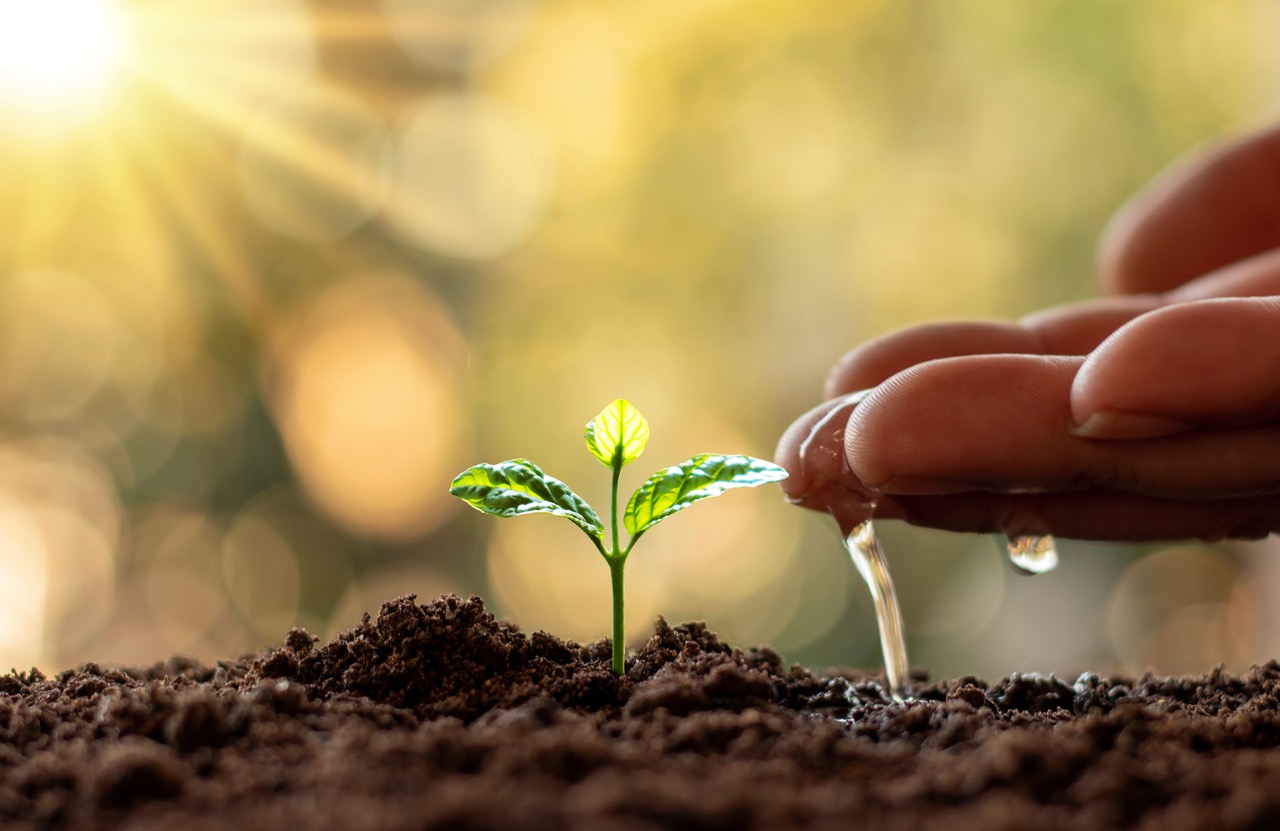
It’s citizen science, but the ‘citizens’ are school kids from the very valleys where Rooibos has grown for generations.
Why bother sending tea plants to space? As space agencies like NASA gear up for long-duration missions such as Artemis, there is interest in figuring out how to grow food, generate oxygen and support astronaut wellbeing far from home. Scientists have already learned that crops like lettuce can grow in microgravity, and studies on peas and soybeans have shown how plants cope with life beyond Earth’s gravity.
Now, South African Rooibos is joining that same league of space-tested plants.
“Rooibos has long been part of South Africa’s agricultural heritage. This project places it within a broader scientific context, where plant biology, space research and education intersect. It also reflects the importance of investing in scientific literacy and skills development for the next generation of researchers and innovators.” says Dawie de Villiers, Director of SARC.
 Local Ocean Champion Zoë Prinsloo Takes Her Mission Global!
 Cape Town Kayakers Rescue Starving African Penguin Far Out to Sea
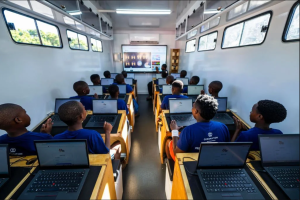
The participating schools will follow an extended STEM programme covering space science, plant biology and sustainable agriculture.
“The value of this project lies in giving learners exposure to real research processes linked to space science. It provides a structured opportunity to develop scientific thinking, data analysis skills and an understanding of how experimentation works in practice.” says Judi Sandrock of MaxIQ Space.
During July and August, before any seeds leave the planet, learners from across the whole country will get the chance to design the official Rooibos in Space mission patch, so even schools far from the Cederberg can be part of the journey.
As the countdown to the October launch continues, the public will be able to follow every step of the Rooibos in Space journey – find out more here!
 by
by