In just six months, the marine heroes of the Two Oceans Aquarium Foundation have successfully saved 41 distressed seals caught in life-threatening entanglements.
Cape Town, South Africa (15 July 2026) – Where there are people, there is often pollution, and in coastal areas, curious seals are sadly the frequent victims of entanglement.
Managing seal entanglements is one of the most direct, high-impact forms of marine conservation. It sees brave and professional marine wildlife teams work strategically to monitor and save innocent creatures from an awful fate caused by human impact on the ocean.
We’re halfway through the year, and the Wildlife Monitors of the Two Oceans Aquarium Foundation have already removed 41 entanglements from seals around the V&A Waterfront alone!
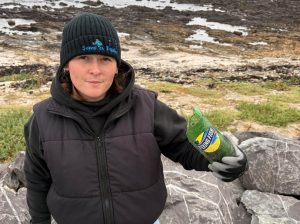
According to Wildlife Monitor Ayanda Cimani and Marine Wildlife Manager Martine Viljoen, these entanglements include box bands, fishing line, ropes, and other marine debris that enter the ocean through pollution and human activities. Once in the marine environment, these items can cause serious injury and distress to wildlife.
When seals inspect these unfamiliar objects with their noses, they can become trapped in nooses of box bands, fishing lines, raffia cords, and other materials. As the seal grows, these nooses tighten, cutting deeper into the animal’s neck and ultimately proving fatal if left unattended.
Two Oceans’ Marine Wildlife Management Programme (MWMP) works to preserve the welfare of Cape fur seals in the V&A Waterfront precinct by actively patrolling the area, identifying entangled animals, and safely removing entanglements.
On 29 June 2026, the team responded to a particularly severe entanglement case involving a juvenile male seal with a horrendous neck wound at the Nelson Mandela Gateway.
It was security personnel at the waterfront who recognised that the seal was in distress and closed off the platform where he was resting, allowing the MWMP team to respond before he could return to the water.
Veterinary doctor, Ilse Jenkinson, used a specially designed “darting pole” to administer a sedative. Once the seal was asleep, the team could safely approach.
Related Stories
 Local Ocean Champion Zoë Prinsloo Takes Her Mission Global!
 Cape Town Kayakers Rescue Starving African Penguin Far Out to Sea
The team found a nylon fishing cord looped extremely tightly around his neck. The advanced state of this wound indicated that the seal had been struggling with the entanglement for an extended period. After the necessary treatment and assessment, the team flipper-tagged the seal and kept a close eye on him as he moved around the harbour.
This big guy is one of the many cases the team has responded to in assisting injured, distressed, and entangled animals, many of which are affected by marine pollution and waste.
A video shared on Facebook shows Ayanda and Martine going through the 41 plastic items and pieces of fishing line that have been removed, along with data on each rescue or disentanglement.
“We always try to record where we find the seals, how many seals were in the area, where it was attached, how we took it off, how we caught the animal and if we needed the vet. It really does put into perspective that there’s much more than this. It’s not only these items. Some are cut and sink,” shares Martine, emphasising why this work is so important for protecting marine wildlife and keeping our oceans cleaner.
View this post on Instagram
In addition to the many entanglement removals, MWMP also uses data-driven solutions to reduce harmful interactions between seals and humans, such as providing dedicated resting spaces to discourage seals from climbing onto boats. It’s all part of the invaluable work being done to protect these animals from dangers beyond their control.
While these marine heroes can respond to the consequences, Two Oceans Aquarium Foundation stresses that protecting marine life and preventing these incidents in the first place requires collective action from industry, governments, organisations, and everyone who benefits from a healthy ocean.
You can help by fishing responsibly and by cutting every looped material, such as the tabs on bottle caps or the tags on a new T-shirt, before throwing it away or placing it in your recycling.
Sources: Two Oceans Aquarium Foundation
Don’t ever miss the Good Things. Download the Good Things Guy App now on Apple or Google.
Do you have something to add to this story? Please share it in the comments or follow GoodThingsGuy on Facebook and Twitter to keep up to date with good news as it happens, or share your good news with us by clicking here or click the link below to listen to the Good Things Guy Podcast with Brent Lindeque – South Africa’s very own Good Things Guy. He’s on a mission to change what the world pays attention to, and he truly believes there’s good news around us. In the Good Things Guy podcast, you’ll meet these everyday heroes and hear their incredible stories:
Or catch an episode of Good Things with Brent Lindeque or our Weekly Top 5 below. The videos here are always changing, updated with the latest episodes from these two shows. Both are part of Good Things TV, created to bring South Africans balance at a time when the news can feel overwhelmingly negative. Our goal is simple: to remind you that there are still so many good things happening in our country – and to leave you feeling a little more proudly South African.
 by
by