
After overcoming personal adversity, the young entrepreneur built a WhatsApp-based AI tutor that’s helping bridge South Africa’s education gap in learners’ home languages.
Johannesburg, South Africa (21 July 2026) – South Africa’s education system doesn’t look the same for every child. While some learners have access to quality schools, tutors and additional support, millions navigate their education with far fewer resources. For entrepreneur Tshaamano Mabuba, that difference wasn’t something she read about, but rather something she lived.
Growing up in a village in Limpopo, Tshaamano was awarded a scholarship to attend school in Johannesburg after her principal recognised her academic potential. The opportunity changed her life, but it also highlighted an uncomfortable reality.
“My older sister wasn’t getting the same opportunities I was,” she says. “That’s when I started noticing how unequal education can be.”
She went on to achieve seven distinctions in matric and earned a scholarship to study actuarial science at the University of Cape Town. It felt like years of hard work had finally paid off.
Then, in 2022, her life took an unexpected turn. After being sexually assaulted, Tshaamano found herself dealing with the emotional weight of trauma while also becoming seriously ill. Faced with mounting challenges, she made a decision that would ultimately shape her future.
“I had to ask myself whether I was going to let my circumstances define me or whether I was going to build something from the skills I already had.”
For her, that skill was mathematics.
She gathered a small group of high-achieving university students and launched Buddy Learning, a tutoring business connecting learners with young tutors. The response from parents was overwhelmingly positive, but as the business grew, so did another question.
How could quality academic support reach learners whose families couldn’t afford tutoring in the first place?
Related Stories
 South African Professor Turns Personal Heartache into Hope for Sick Children
 They're Back! The Australian Firefighters Have Released Their 2027 Calendar!
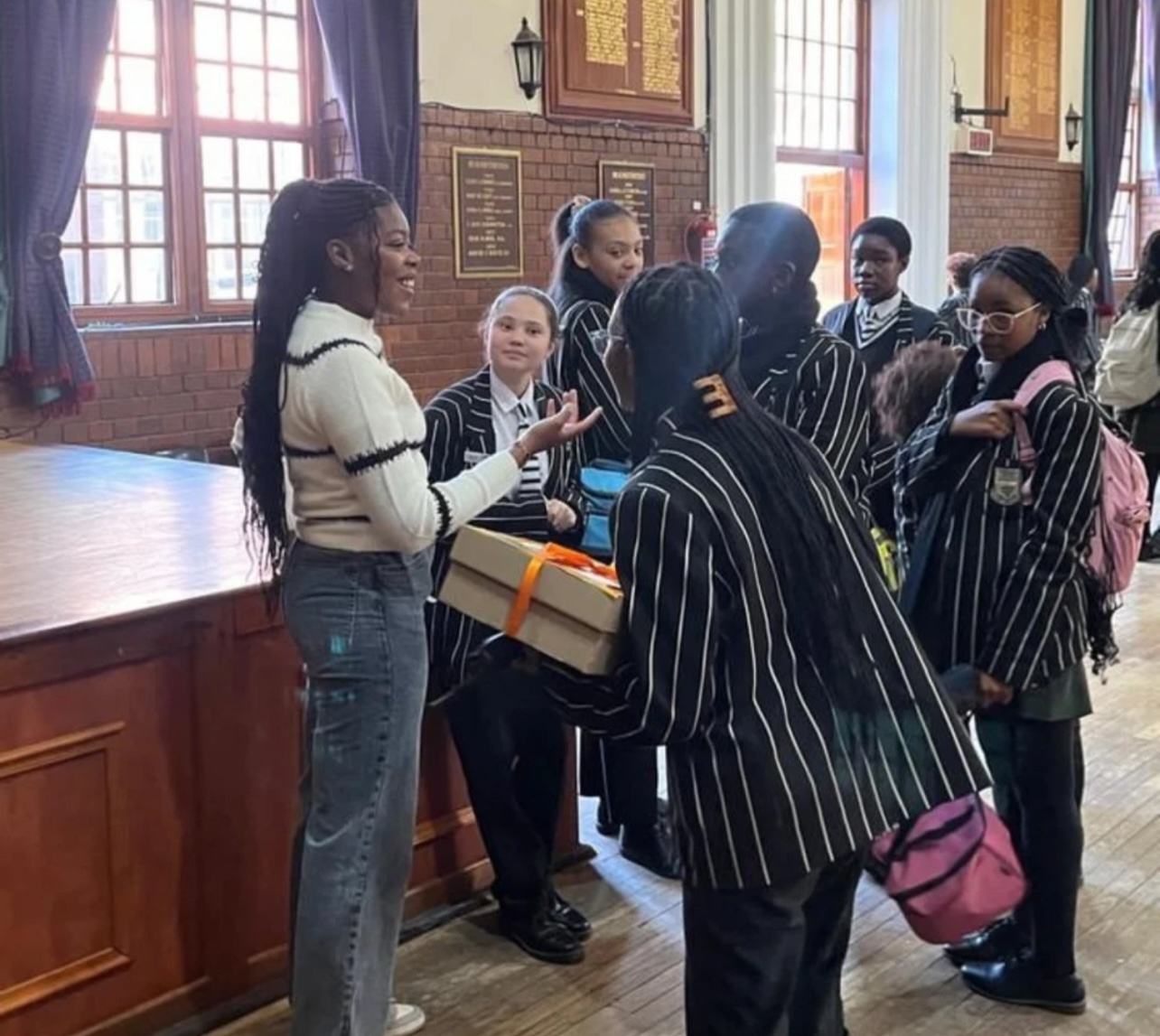
Using the company’s profits to provide free lessons wasn’t sustainable. There was also another obstacle, many learners needed support in their home languages, making it increasingly difficult to find enough tutors who could meet that demand.
While studying data science through the University of London, she realised technology could help solve both problems at once.
The result was BuddyAI, a WhatsApp-based AI tutor designed to provide homework assistance, revision support and quizzes in South African languages through a platform already familiar to millions.
“We wanted to meet learners where they already are. WhatsApp is affordable, widely used and doesn’t require people to download another app.”
The platform has already produced stories that remind her why she started. One learner from Limpopo used BuddyAI while preparing for matric, achieved five distinctions, earned admission to Wits University and now works as a tutor on the same platform that once helped him.
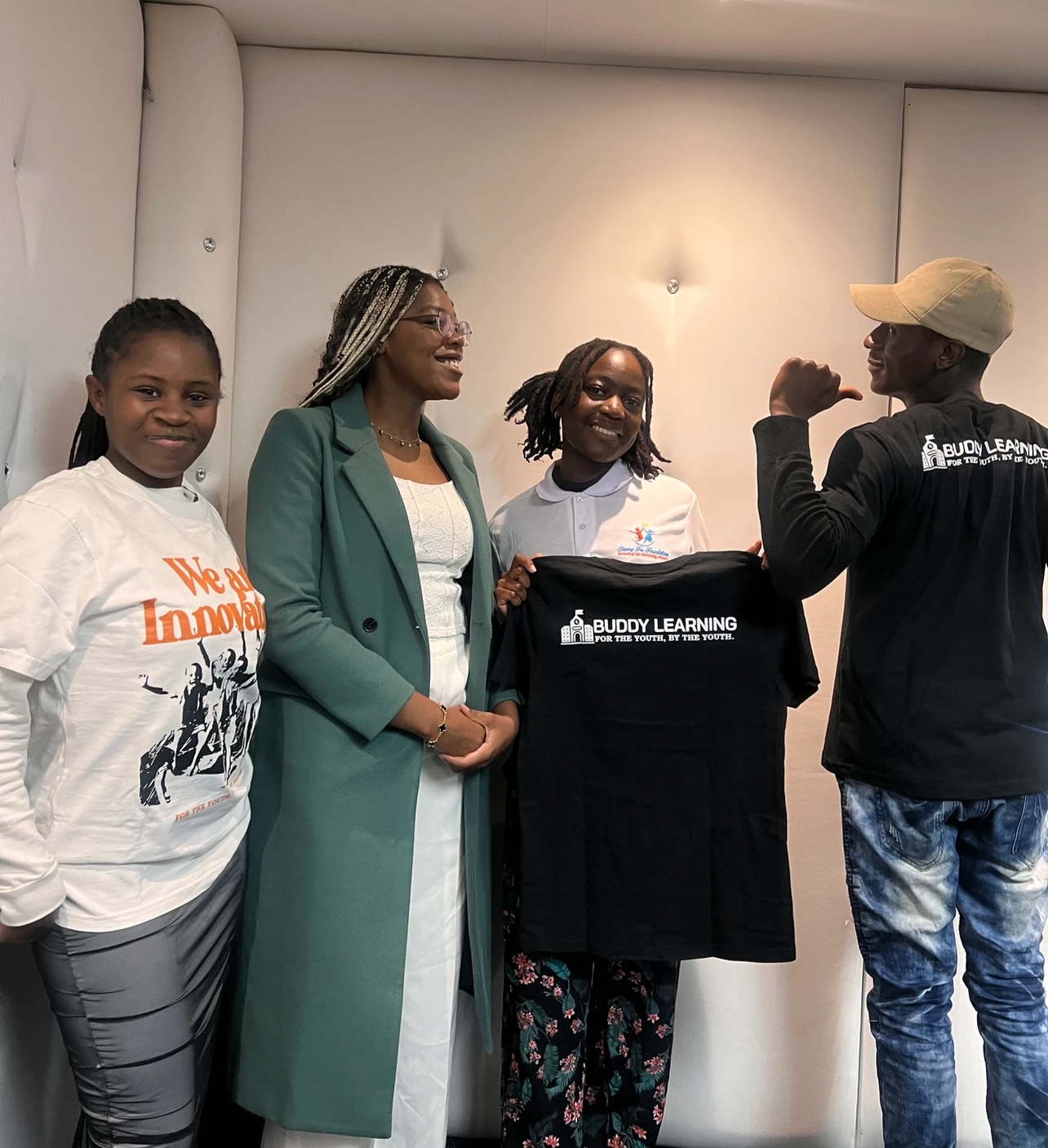
As conversations around artificial intelligence continue to grow, she believes its greatest strength lies in expanding access to quality education. At the same time, she says AI developers have a responsibility to build platforms that are safe, educational and designed with young users in mind.
Looking back, she hopes people don’t simply remember the technology she built, but the lesson behind it.
“Your future doesn’t have to be determined by your background. No matter how difficult your circumstances are, if you have a resilient mindset, you can overcome them.”
 by