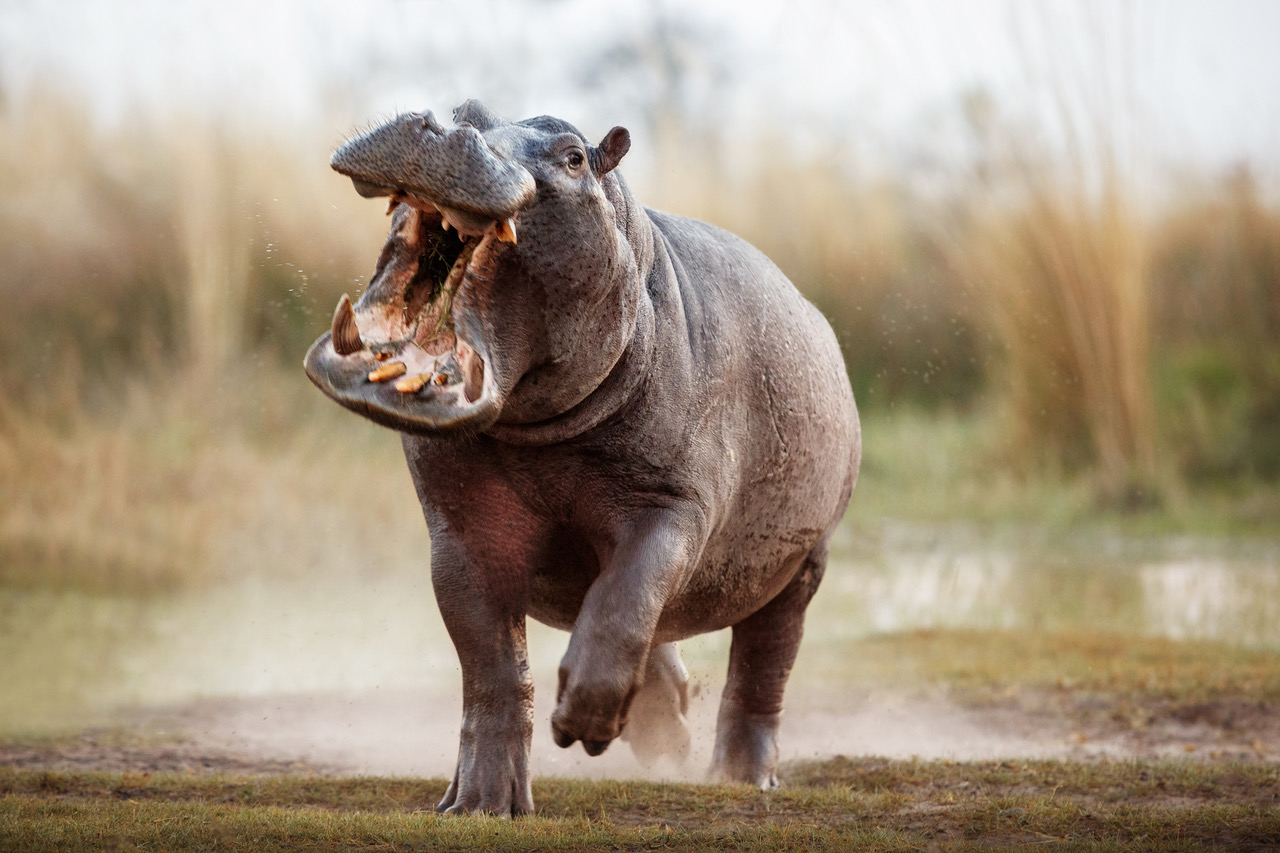
South African researchers at UP have completed a world-first study into the bacteria living in hippos’ mouths, uncovering why bite wounds are so often complicated by infection.
Pretoria, South Africa (19 July 2026) – South African researchers have completed a world-first study into the bacteria living in hippos’ mouths, revealing previously undiscovered information about why hippo bite wounds are so often complicated by serious infection.
The study was led by Professor Anita Michel of the University of Pretoria (UP), whose team wanted to understand why hippo bite wounds so often lead to severe complications.
“We knew the injuries were extraordinary, especially with the exceptional biting force hippos possess, but we didn’t fully understand the link between the microbes and the severe complications from wound infections that clinicians have to deal with.” says Prof Michel.
Working alongside veterinary bacteriologist Dr Annelize Jonker and ecologist Francois Roux from the Mpumalanga Tourism and Parks Agency, Prof Michel’s team examined the oral bacteria of 34 healthy hippos captured during routine wildlife operations in Mpumalanga.
It was the first time anyone had systematically studied the bacterial flora found in hippos’ mouths. The team identified 41 different species of bacteria, many of them types typically found in aquatic environments and capable of causing opportunistic infections in humans.
“This was the first time that anyone has systematically studied the bacterial flora of hippos’ mouths,” Prof Michel says. “And what we found was concerning – not just the types of bacteria, but their resistance to some of the most commonly used antibiotics.”
The team tested the bacteria against a panel of antibiotic drugs and found moderate to high resistance to commonly prescribed treatments like amoxicillin/clavulanate and early-generation cephalosporins – the same antibiotics often used for bite wounds from dogs and cats.
“Using these standard antibiotics for a hippo bite may delay effective treatment and allow infections to take hold,” Prof Michel notes.
On the other hand, the study found that antibiotics from the tetracycline, aminoglycoside and quinolone families were more effective against the bacteria identified. The researchers recommend that wound cultures be taken as early as possible to identify the exact pathogens involved.
Related Stories
 Local Ocean Champion Zoë Prinsloo Takes Her Mission Global!
 Cape Town Kayakers Rescue Starving African Penguin Far Out to Sea
“It is critically important that wound infections, whether in animals or humans, are treated early with an effective antibiotic regimen aligned with the expected causative infectious agents,” Prof Michel says.
The implications of the study reach beyond individual bite wounds. Prof Michel frames the work as part of a ‘One Health’ approach, recognising that antibiotic resistance is shaped by ecosystems and species interactions, not just clinical settings.
“Our goal is to take a One Health approach with healthcare providers in regions where humans and wildlife intersect to ensure that they are not caught off guard,” she says. “When you’re dealing with a hippo bite, minutes matter – and so does the right antibiotic.”
The common hippopotamus is found in rivers, lakes and wetlands across sub-Saharan Africa, and this study gives clinicians in those regions a clear picture of which antibiotics are likely to fail against a hippo bite wound, which ones are more likely to work, and why early wound cultures matter.
 by
by