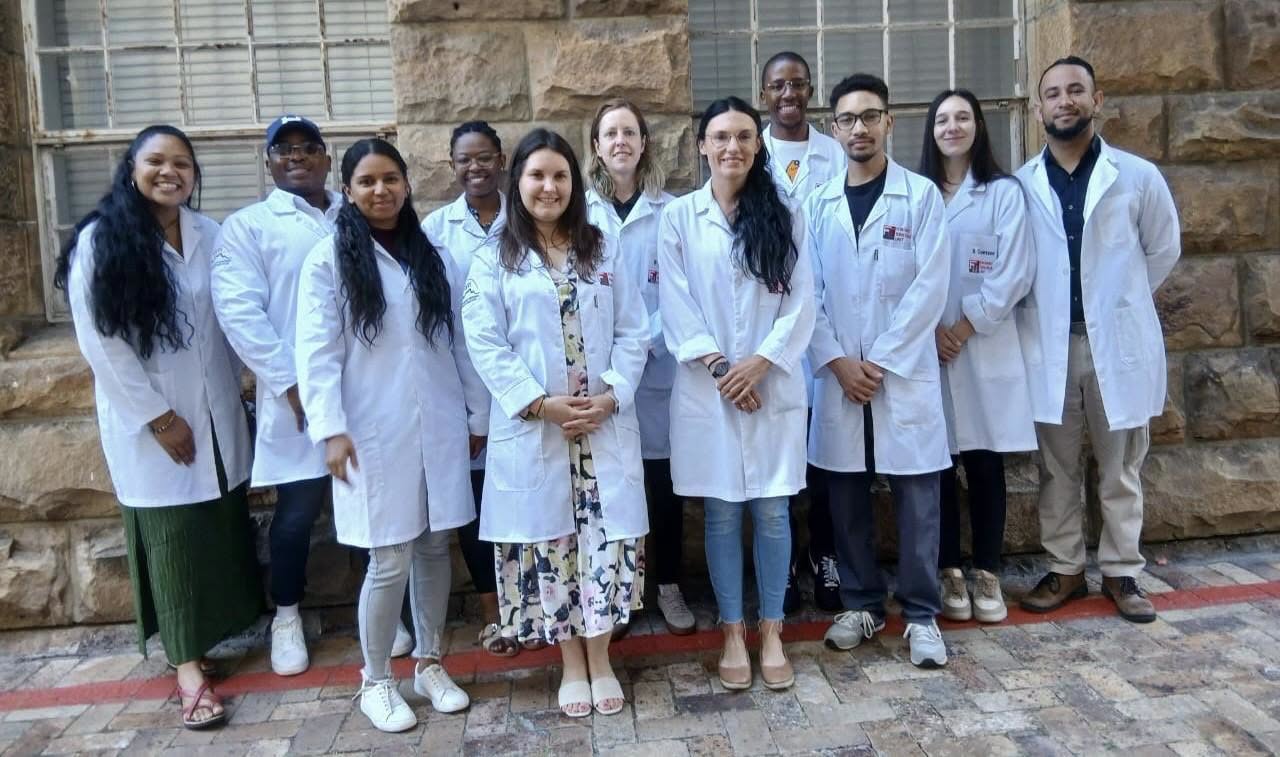
The Western Cape’s public Forensic Toxicology Unit has earned international accreditation, becoming the first lab in South Africa to meet the highest international standards for forensic testing.
Cape Town, South Africa (23 July 2026) – The Western Cape has achieved a first for South Africa after its public Forensic Toxicology Unit became the country’s first provincial forensic toxicology laboratory to receive international accreditation for its drug testing methods.
The accreditation, awarded by the South African National Accreditation System (SANAS), confirms that the laboratory meets globally recognised standards for the way it carries out important forensic testing.
The laboratory helps investigate cases where the cause of death isn’t immediately clear. Its work includes testing for carbon monoxide poisoning, as well as identifying and measuring drugs in forensic samples. These tests can help investigations involving fires, poisonings, suspected drug overdoses and sudden or unexplained deaths.
For families waiting for answers, and for investigators working to establish exactly what happened, having confidence in those results is incredibly important.
“When someone passes away, those left behind often want to understand what happened. Where the cause of death is not immediately clear, forensic toxicology can play an important role in providing answers. This accreditation provides independent assurance that the toxicology evidence produced by our team meets internationally recognised standards; and strengthening confidence in the results used by our forensic pathologists, SAPS investigators, prosecutors and the courts.” Western Cape Minister of Health and Wellness, Mireille Wenger says.
“I am incredibly proud that the Western Cape has achieved a national first. It reflects the skill and dedication of a highly specialised team and supports our ability to provide a forensic service that families and the justice system can trust.”
The tests themselves aren’t new. The Forensic Toxicology Unit has been performing them for some time, but the accreditation independently confirms that its methods, equipment and quality controls all meet strict international standards.
To earn accreditation, laboratories must prove their testing is accurate, reliable and consistent. They also take part in ongoing international proficiency testing and regular quality checks to maintain those standards.
“Forensic pathology sits at an important intersection between health and justice. This work helps us understand how and why people die, supports investigations where necessary, and helps identify emerging risks to public health. This achievement is an important vote of confidence in the quality of forensic science being delivered in the Western Cape public sector.” adds Wenger.
 Nicky Pesa Turns Exhausting Garage Shifts into a Double Graduation
 St Michael's Learners Turn Shopper Bags Into High Fashion!
 by
by