ECD practitioners carry the torch for a brighter South Africa, but they can light the way for our children with the right backing.
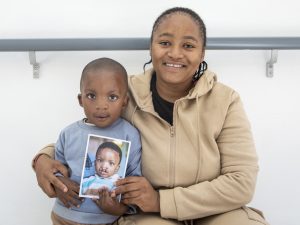
Cape Town, South Africa (03 October 2025) – Each morning, in Khayelitsha, Ntombentsha Sobekwa sets up her classroom with only a few teaching and play resources. At the end of each month, she is left with only a couple of Rands after spending most of the money on the operation costs to run her ECD Centre.
Her story is not unique; many ECD centres across SA face the same struggle.
According to Nyaradzo Mutanha, MERL specialist at Breadline Africa, investing in ECD is one of the most effective strategies for building human capital and breaking the cycle of poverty.
Research by Nobel laureate James Heckman and others demonstrates that investment in the first five years of life yields the highest return on investment compared to interventions later in life.
In South Africa, the Department of Basic Education (DBE) has recently prioritised ECD in its national budget, recognising its importance for improving outcomes throughout the education system.
“This allocation signals a strong commitment from the government, but it is not enough,” Mutanha says.
Why Supporting ECDs Matters
“The latest index report shows that outcomes remain unequal: children in high-fee preschools are approximately twice as likely to be on track as those in low-fee centres. Social investors and philanthropic funders continue to play a key role by complementing the national budget through targeted, innovative investments that reach underserved communities.”
Funding must be directed to initiatives that demonstrate clear outcomes: improved school readiness, better nutrition, safer environments and stronger caregiver support. Measuring what works and adjusting strategies ensures that every rand spent delivers maximum impact. The gaps are huge. In numbers: approximately 29% of four-year-olds are not enrolled in any early learning programme, and among non-enrolled children, only 18% are on track, while 55% are falling far behind.
ECD practitioners carry much of this burden, often with too few resources and little recognition.
Related Stories
 A Sweet Success as South Africans Raise Over R2 Million for Young Cancer Warriors!
 24 Hour Jozi Invites Joburgers to Capture the City as They Know It
“Studies in South Africa have shown that most practitioners work with very limited resources, often in unsafe and overcrowded spaces, without access to professional development or adequate teaching materials. Health and nutrition constraints compound these challenges.”
Despite these challenges, ECD Practitioners form the backbone of early foundation learning.
“Without them, millions of children would miss out on critical early stimulation and care that shape their future. Their commitment must be complemented, and not left to carry the burden alone,” Mutanha emphasises.
Breadline Africa’s Work Bridges This Gap
By providing safe, functional infrastructure to poorly resourced ECD centres, Breadline Africa enables practitioners to focus on their core mission: teaching and nurturing children. Our support extends beyond physical structures.
“We ensure that children have a kitchen to receive nutritious meals, warm classrooms to learn in, age-appropriate toilets to maintain dignity and hygiene, and a sick bay to care for them when they are unwell. This infrastructure support is a vital part of the Bana Pele registration drive, enabling more ECD centres to meet the standards required to access government subsidies,” Mutanha explains.
To complement the services provided by these dedicated practitioners, Breadline Africa also implements the Nurturing Care Framework in partnership with registered training organisations (RTOs).
This framework focuses on five essential elements, namely good health, adequate nutrition, responsive caregiving, security and safety, and opportunities for early learning to ensure that the whole child is supported.
“ECD practitioners give so much, but they can’t do it alone. Without real investment in infrastructure, training, and support, the promise of early learning will never be fully realised. Every rand spent on ECD must make a real difference — building safe, caring spaces where children and their caregivers can grow.
“We know what it takes to change the story. With the right backing, every child in South Africa can have a safe place to learn and grow.”
That future begins with the practitioners who show up for them every day. To explore how you can support this work or discuss partnership opportunities, contact Breadline on 021 418 0322 or email [email protected].
Sources: Supplied
Don’t ever miss the Good Things. Download the Good Things Guy App now on Apple or Google.
Do you have something to add to this story? Please share it in the comments or follow GoodThingsGuy on Facebook & Twitter to keep up to date with good news as it happens, or share your good news with us by clicking here or click the link below to listen to the Good Things Guy Podcast with Brent Lindeque – South Africa’s very own Good Things Guy. He’s on a mission to change what the world pays attention to, and he truly believes there’s good news around us. In the Good Things Guy podcast, you’ll meet these everyday heroes & hear their incredible stories:
Or watch an episode of Good Things TV below, a show created to offer South Africans balance in a world with what feels like constant bad news. We’re here to remind you that there are still so many good things happening in South Africa & we’ll leave you feeling a little more proudly South African.
 by
by