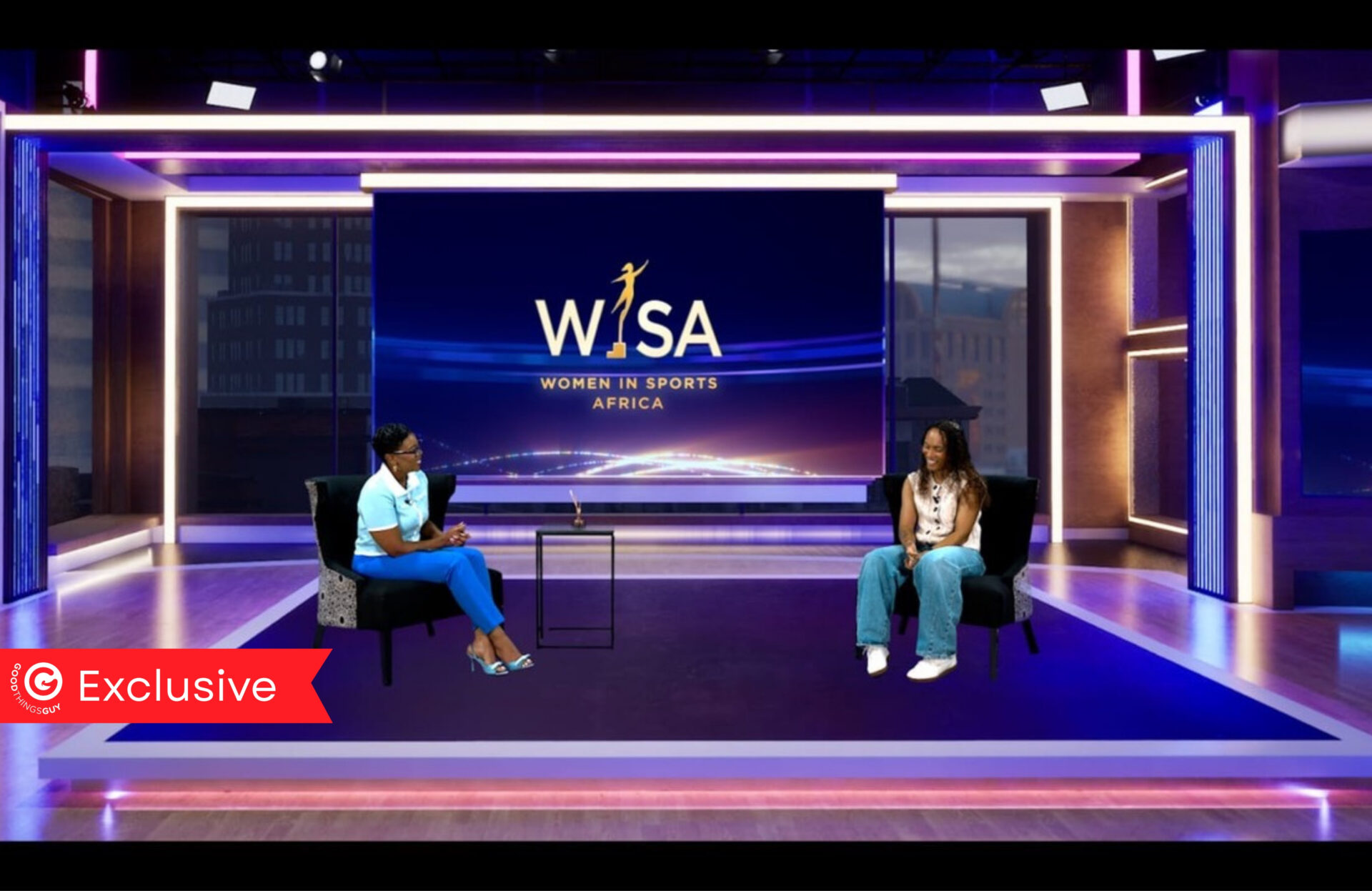
Women in Sports Africa (WISA) moves beyond results to highlight the people, experiences and realities shaping women in the industry.
Johannesburg, South Africa (15 April 2026) – For years, conversations around sport have often told only part of the story. The rise of platforms like Women in Sports Africa (WISA) is beginning to shift that narrative, creating space for voices that have long existed on the margins.
WISA is more than just a television show, it has positioned itself as a platform centred on the lived experiences of women across the sporting ecosystem. From athletes to professionals working behind the scenes, it captures stories that are rarely given the same depth or visibility as their male counterparts.
Creator and executive producer Christophe Bongo says the idea was born out of a simple realisation. That without women, the story of sport is incomplete.
“If we don’t have a space for women in sport, then we are only telling half the story,” he explains. “To understand sport fully, you have to include women and their experiences.”
What makes the platform stand out is its deliberate shift away from results-driven storytelling. Instead of focusing purely on performance, WISA leans into the personal journeys behind the athletes and professionals. You know, the challenges, sacrifices and realities that shape their paths.
Bongo notes that one of the biggest surprises since the show’s launch has been just how different these journeys are from one another.
“Every story is unique. With men in sport, the journey can often follow a more straightforward path. But with women, there are so many layers. From being doubted, to balancing family expectations, to navigating personal milestones while still pursuing their careers.”
It’s not always black or white. These grey areas are often overlooked in mainstream sports coverage, where women’s stories are either simplified or sidelined altogether.
The platform also highlights the broader role women play in sport beyond participation. Bongo reflects on how support systems that are often led by women shape sporting careers in ways that are not always visible.
Related Stories
 South Africa Shines at World Travel Awards With 19 Wins Across Africa
 Cotlands Celebrates 90 Years With Run to Play Race
“There are so many unseen contributions. The emotional support, the sacrifices, the roles played behind the scenes. These are also part of the story of sport.”
While there has been progress in the visibility of women’s sport, Bongo believes a gap still exists in how these stories are told and valued. Platforms like WISA are part of a wider shift towards more inclusive and representative storytelling.
As the platform continues to grow, its focus remains on expanding the range of voices and experiences it captures across the continent.
“I just want it to grow. I want to look back one day and say this platform created space for these stories to be told.”
 by
by