The light green wipe you use on your trolley handle at the shops doesn’t end up in landfill. It’s collected, recycled into plastic pellets and turned into outdoor furniture by Hudson Diphofa in Katlehong!
Johannesburg, South Africa (30 October 2026) – This story begins with something you’ve probably touched this week and haven’t thought about since – the little wipe at the front of the shop.
You know the one. You grab it, wipe the trolley handle, and carry on with your shopping. It takes about four seconds. But what happens to that wipe afterwards is one of the more interesting stories we’ve come across this year, and it ends with a very skilled man in Katlehong building you a bench…
Let’s rewind.
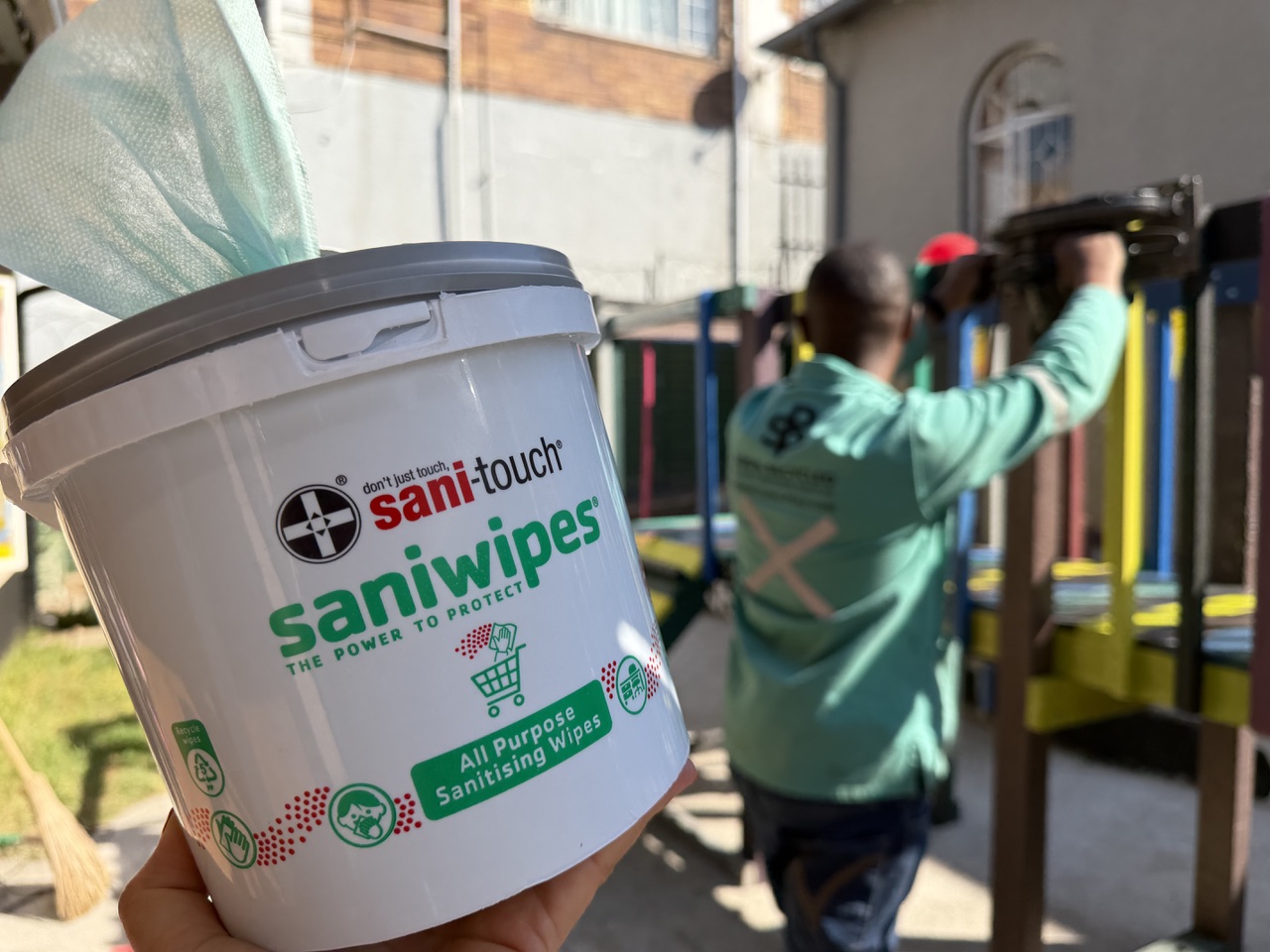
Sani-touch launched its Saniwipe trolley wipes in 2006, made from an imported biodegradable paper similar to a tea bag. Uptake was slow until the 2009 swine flu pandemic, when people realised just how many hands touch a trolley handle in a day.
Demand grew, and so did the pressure to cut costs – given to shoppers for free, the sanitary wipes were ultimately coming at a cost to the retailer.
Sani-touch then introduced a polypropylene wipe. The substrate could be manufactured locally instead of being imported and, because it was a very thin plastic material, it was considerably more cost-effective than the imported paper alternative.
It saved money, but it wasn’t a clean win. Every wipe was now one more piece of single-use plastic.
Polypropylene is recyclable, but getting used wipes into the recycling stream was the real hurdle. There were so many different wipes on the market that recyclers had no way of knowing whether what arrived at their facilities was polypropylene or a mix of plastics. So most simply wouldn’t take them.
So Saniwipe went green. The colour change meant recyclers could easily spot the recyclable wipes among all the white and blue ones.
Related Stories
 9-Year-Old Shaka Madida is Putting South African Art on the Global Map
 The Scottburgh Animal Hero Who Feeds Township Dogs and Cares For 70 Rescues Needs Your Help
With the wipes now easy to spot, retailers could collect them and send them to recyclers, who melt the material down into recycled polypropylene pellets. Those pellets can then be turned into brand new products, which means used wipes get a second life instead of ending up in landfill.
This is where Hudson takes the spotlight.

During COVID, the Sani-touch team went looking for new uses for recycled polypropylene and found Hudson Diphofa on Facebook. He was advertising outdoor furniture, but instead of wood, he was using recycled plastic slats.
Hudson had been retrenched during the pandemic. He turned to carpentry to make a living and saw an opportunity in a material most people were throwing away.
“We saw something special in what he was doing. So we decided to help,” the manufacturing company shares.
“We took Hudson under our wing and supported him in whatever ways we could. We provided him with a computer, a generator and larger pieces of equipment. We helped him learn how to prepare invoices and calculate his costs properly. We helped set up his website and supported him with social media. But most importantly, we helped him believe that the business he was building could become something much bigger.”
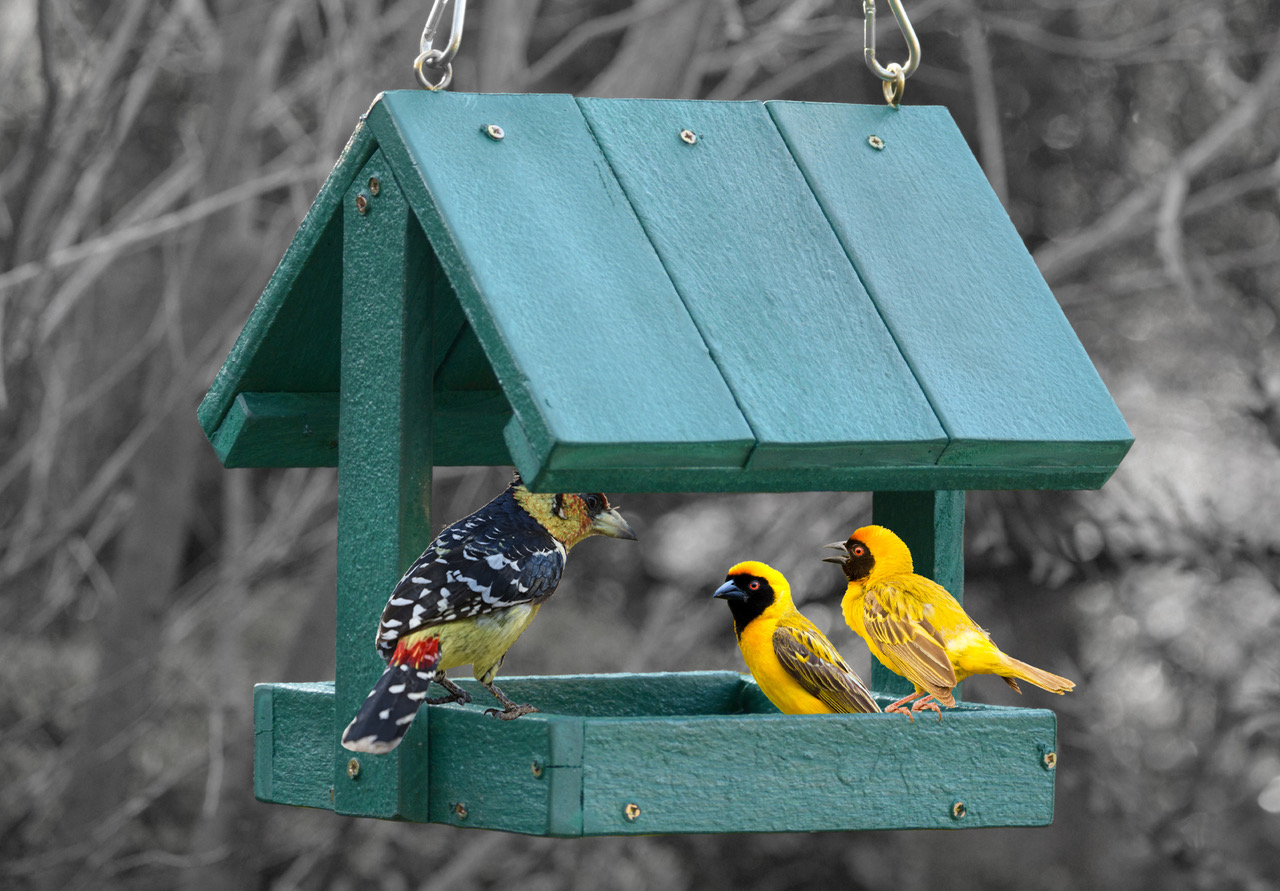
Hudson has worked incredibly hard to achieve that. His business, Structural Poly Plastics & Projects, now makes garden benches, pool loungers, picnic tables, dustbins and animal feeders for the agricultural sector. There isn’t much he can’t make. His bird feeder was even a finalist at the SAPRO awards, which recognise innovation in plastic recycling!
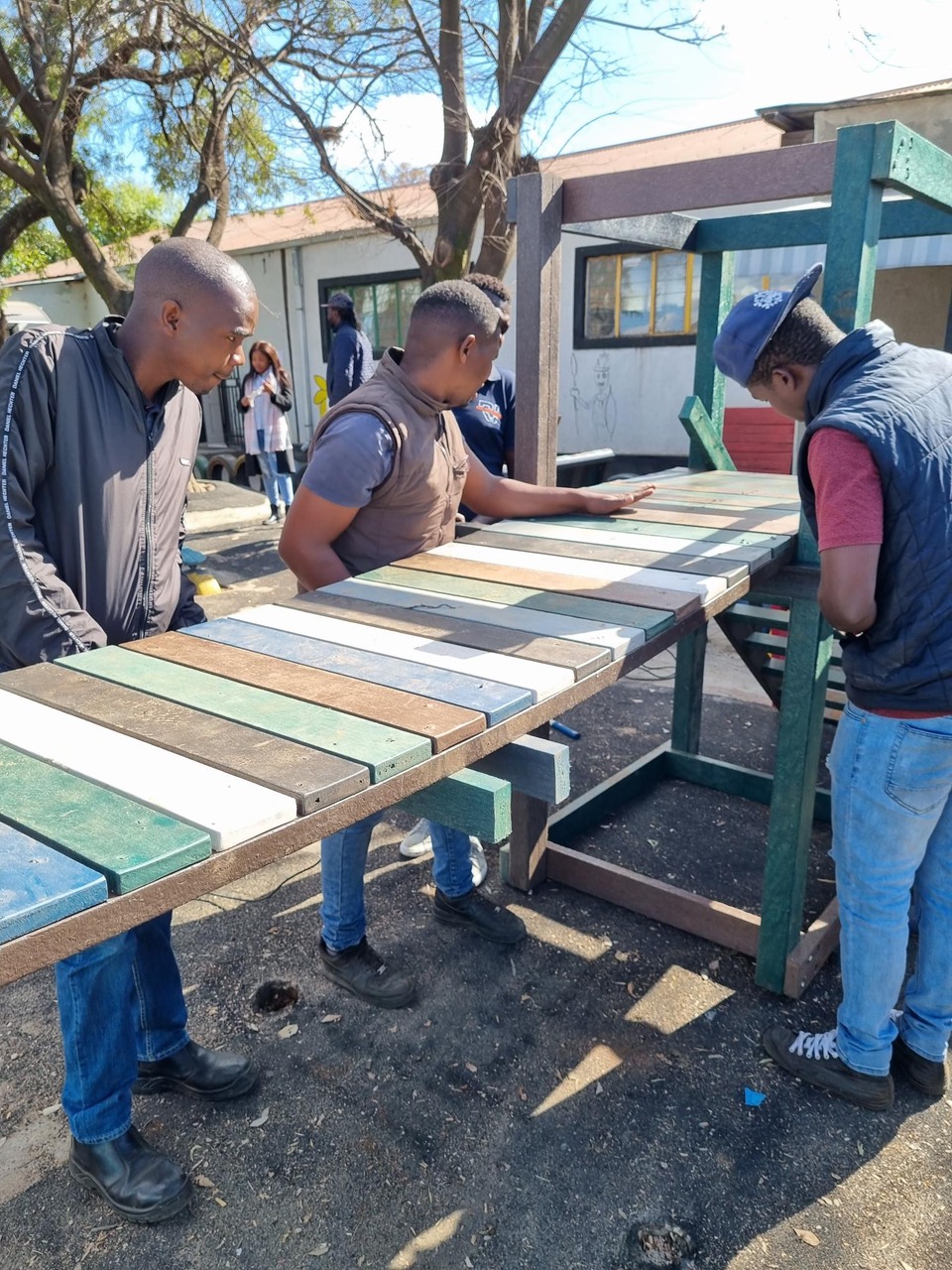
And when he needs extra hands, he brings in friends and family from his community in Katlehong. Every order creates demand for recycled plastic, but it also creates work. Essentially, waste becomes a resource, a resource becomes a business, and a business creates opportunities for a community.
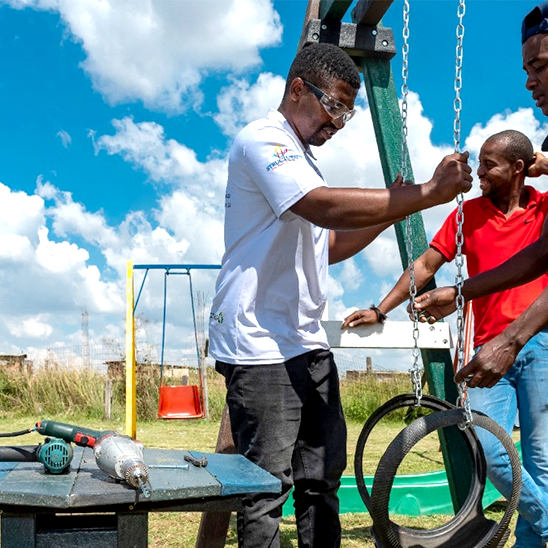
Some of what Hudson makes ends up in gardens, on farms and around pools. Some of it even ends up in playgrounds of underserved communities!
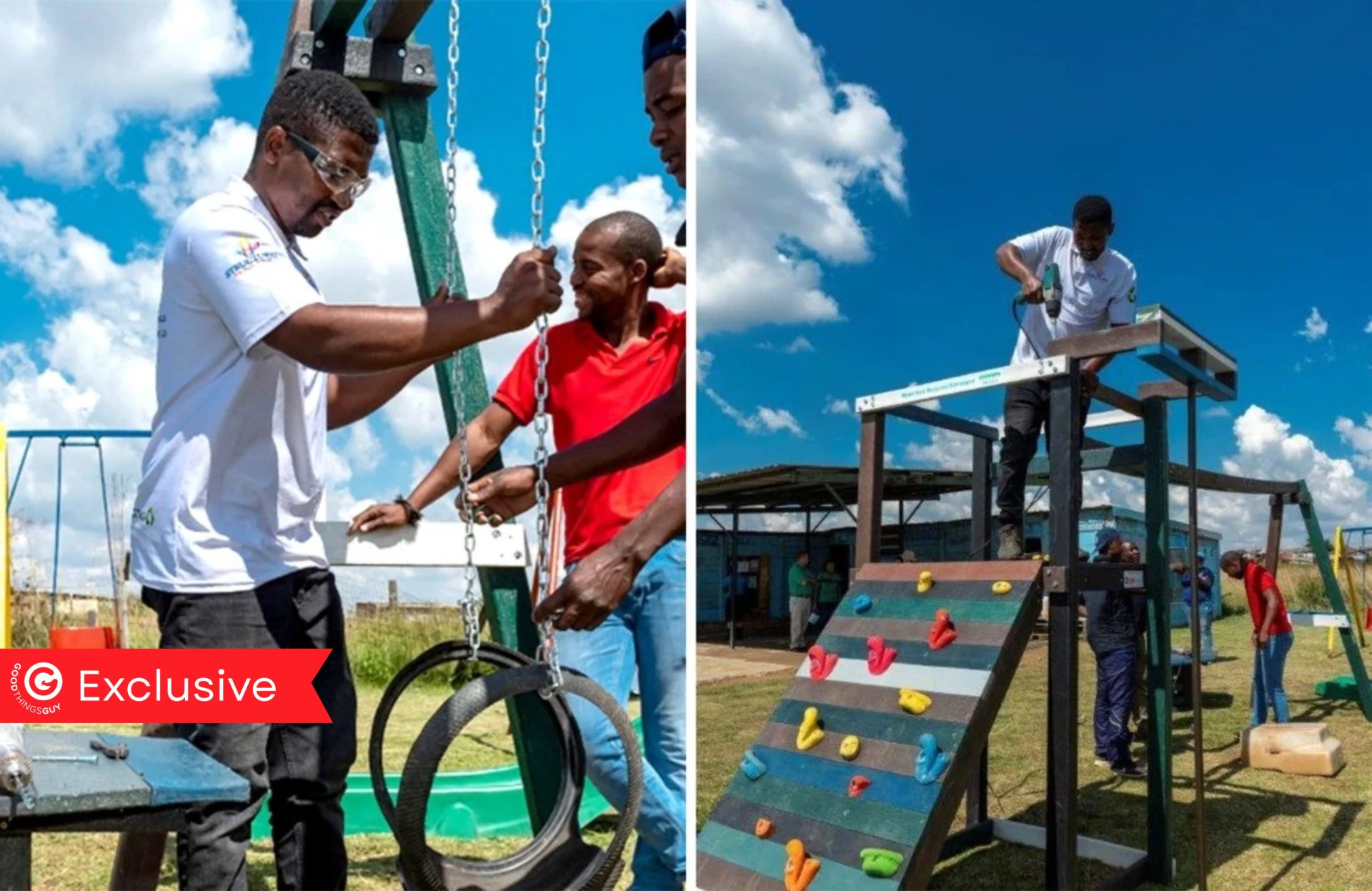
Through its support of Hudson, Sani-touch has sponsored jungle gyms for schools and organisations in under-resourced areas.
“Our most recent project was done through Hot Cares at the Freda Hartley Shelter in Johannesburg, where we provided a jungle gym for their pre-school children. It is one of our favourite parts of the project,” the company shares.
Hudson goes the extra mile by designing each jungle gym around the space it’s going into and the ages of the children who will use it. Because recycled polypropylene is so durable, these jungle gyms could bring fun to generations of kids.
For all his hard work, Hudson’s biggest challenge isn’t his ability to make things. It’s getting people to take a chance on his small, local business.
He receives plenty of enquiries. But too often, once customers discover that he operates from Katlehong, or when he asks for a deposit, the order disappears.
“The deposit is necessary. Hudson needs to purchase the recycled material before he can manufacture the customer’s order. We encouraged him to introduce this policy after a particularly difficult experience where he supplied benches to a private school but was not paid for more than two months — including over the December period.”
Any small business owner will tell you that waiting that long for payment can sink you.
Distance is another hurdle. When enquiries come in from outside Gauteng, getting bulky furniture to the customer can be a challenge. Hudson has no easy way to cost transport and build it into his quotes. A courier company willing to partner with him and help work out delivery pricing would be a lifesaver and could open up orders from across the country.
That is why we believe Hudson deserves the spotlight and the support. He needs customers. People willing to back a small South African business and give a skilled maker the chance to prove himself.
Orders could come from anywhere! Perhaps a school could choose locally made recycled plastic benches over the mass-produced kind. A pre-school could sponsor a jungle gym. A homeowners association or community organisation could install picnic tables at a local park, a business could furnish its outdoor space, a farm could order animal feeders, and a home could even put up one of Hudson’s award-worthy bird feeders.
Hudson doesn’t need charity. He needs customers.
Every order creates demand for recycled plastic that is ultimately kept out of landfill. And every order gives a small business owner a chance to empower and employ someone else in his community. Those are really good things!
To order from Hudson’s business, find out more here.

 by