When Stellenbosch University Education students were given an assignment to identify an education problem in South Africa and develop a campaign for change, they found their answer in the very learning materials they had created for their teaching practicals.
Stellenbosch, South Africa (28 October 2026) – Many schools face ongoing shortages of learning materials and classroom resources. But a group of Stellenbosch University (SU) Education students have discovered a meaningful way to turn this challenge into a solution.
After realising that most of the teaching materials they create, such as flashcards, posters, and learning aids for their practical assignments at local schools, often end up forgotten in cupboards or thrown away at the end of the academic year, they saw an opportunity to give those materials a second life where they are needed most.
Fittingly named “From our classroom to theirs”, the student-led initiative sees final-year education students rally fellow pre-service teachers to turn a routine assignment into a practical response to educational inequality by passing on the resources they have lovingly crafted to classrooms that can truly benefit from them.
For children at a crèche in a rural village or a primary school in a township, where access to word cards, numeracy charts, or stimulating activities can be limited, this support arrives directly in their classrooms at no cost. It brings colour, creativity, and care into spaces that need it, wonderfully enriching young minds through the most crucial developmental stage of their lives.
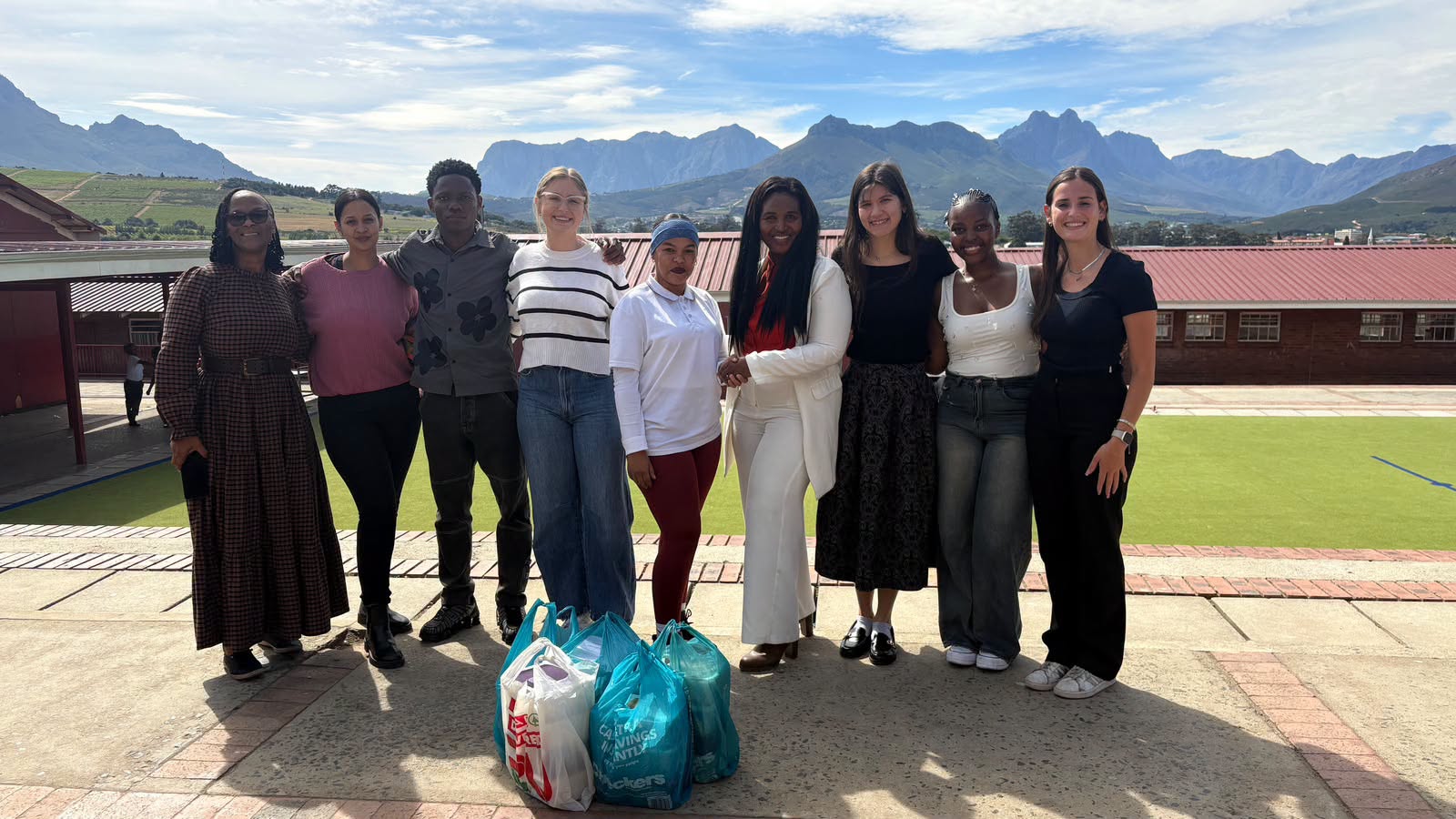
The idea first took shape when a dedicated group of students Tennile Adolph, Jemima Opperman, Alexi Hasell, Jade Geerlings, Keesha Rule, Simiso Lungelo Ntombela, Asanda Amahle Gumede, Liana Marais, Natatia Erasmus, and Londiwe Mahlangu worked together on a philosophy assignment that challenged them to identify a problem affecting education in South Africa and develop a campaign to advocate for change.
“As fourth-year education students, we feel that we spend too much time talking about the pressing issues impacting our schools today and how we can theoretically change them but, in the end, never making a real difference,” says Geerlings.
The group began discussing resource shortages and realised that many of the mathematics teaching materials students create as part of their coursework are eventually discarded or left unused once assignments are complete.
They decided to make it easier for final-year students to donate these resources before the end of the academic year. To spread the word, the students created a social media page and put up posters around the Faculty of Education calling for donations.
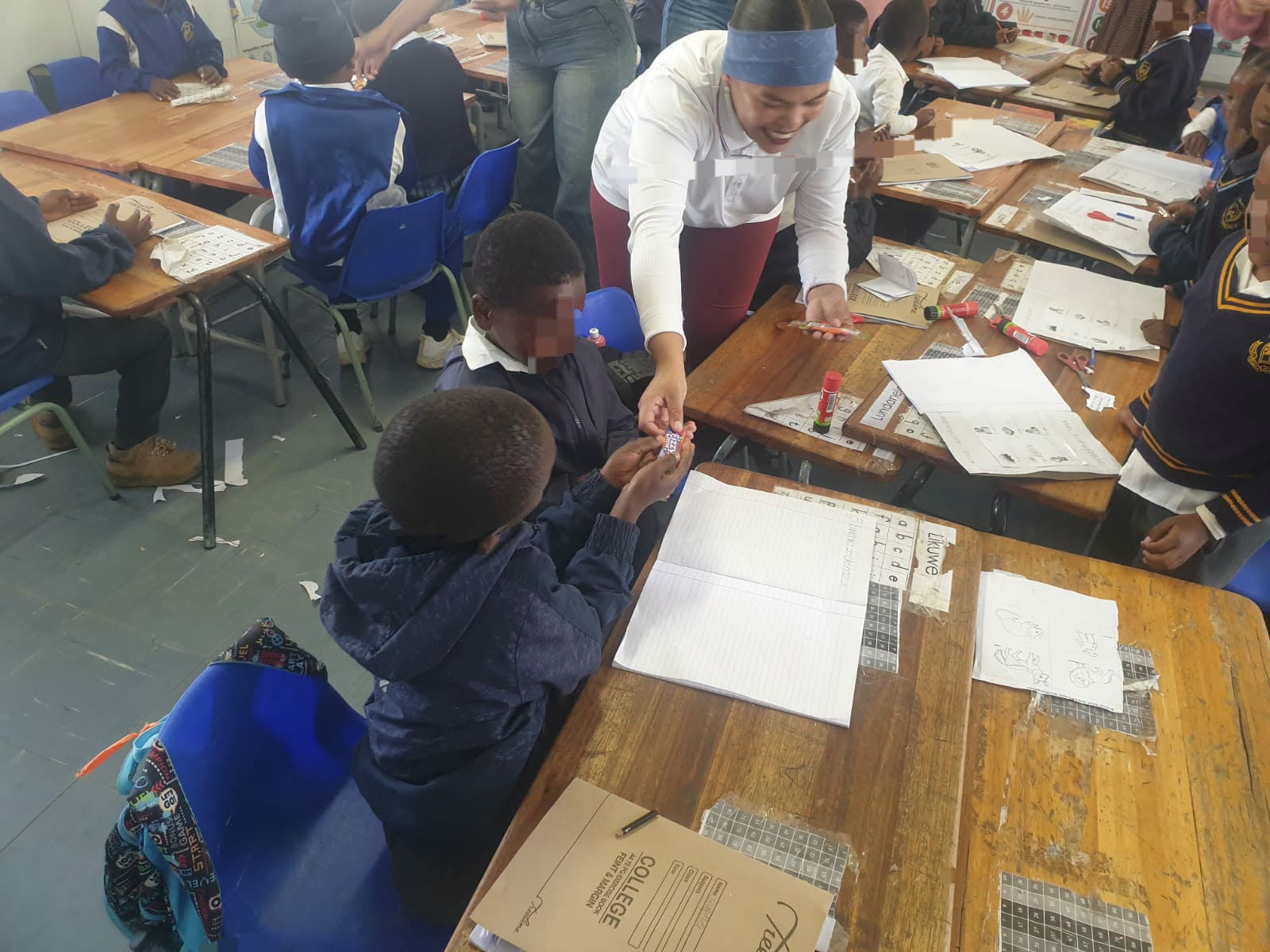
Within just two weeks, the group collected 19 boxes of mathematics resources, which were delivered to Ikaya Primary School in Kayamandi, near Stellenbosch.
Related Stories
 Twenty-Six Skydivers Set an Unforgettable South African Record
 Love Is Still Winning for Husband and Wife Fighting Cancer Side by Side
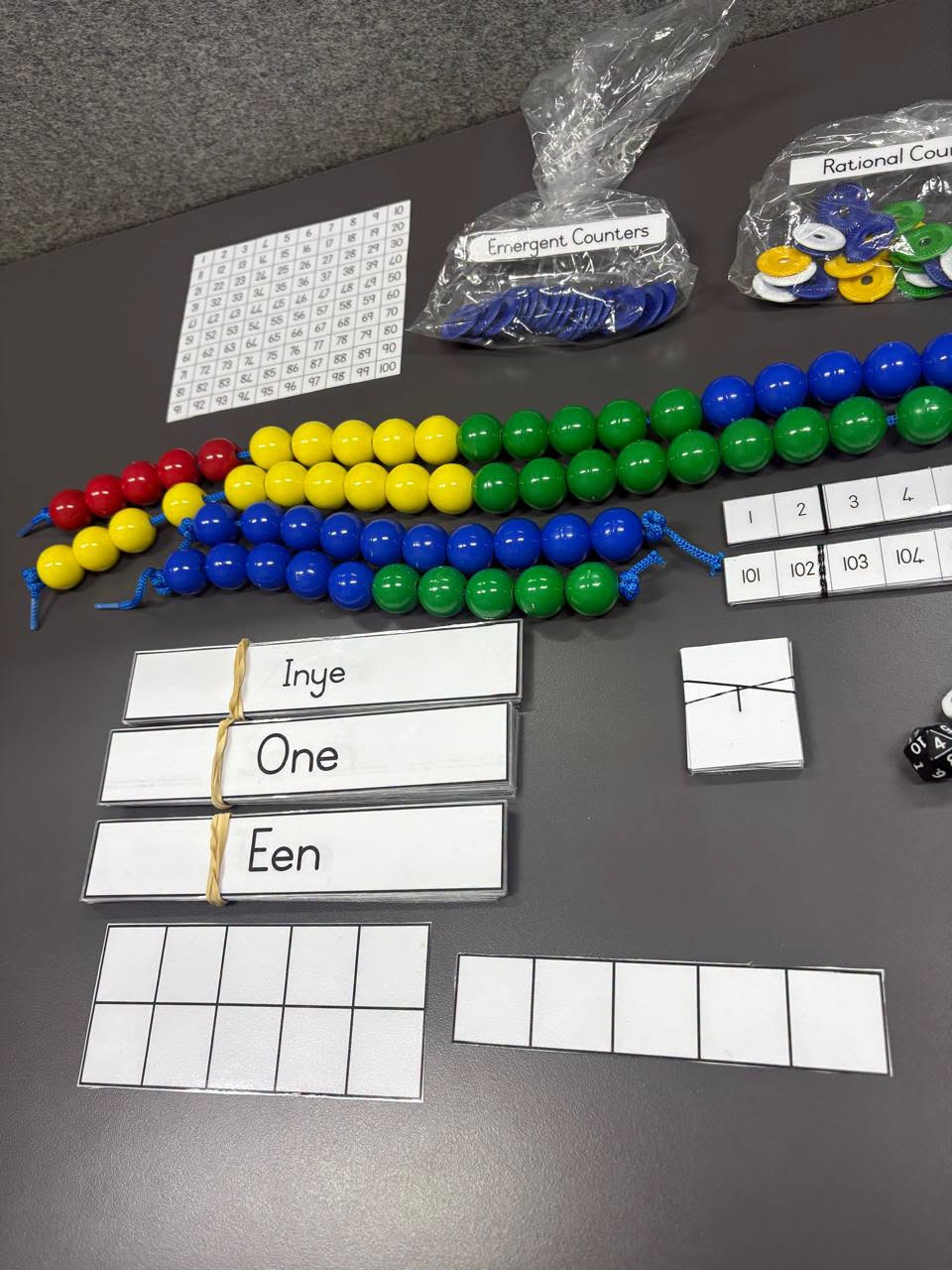
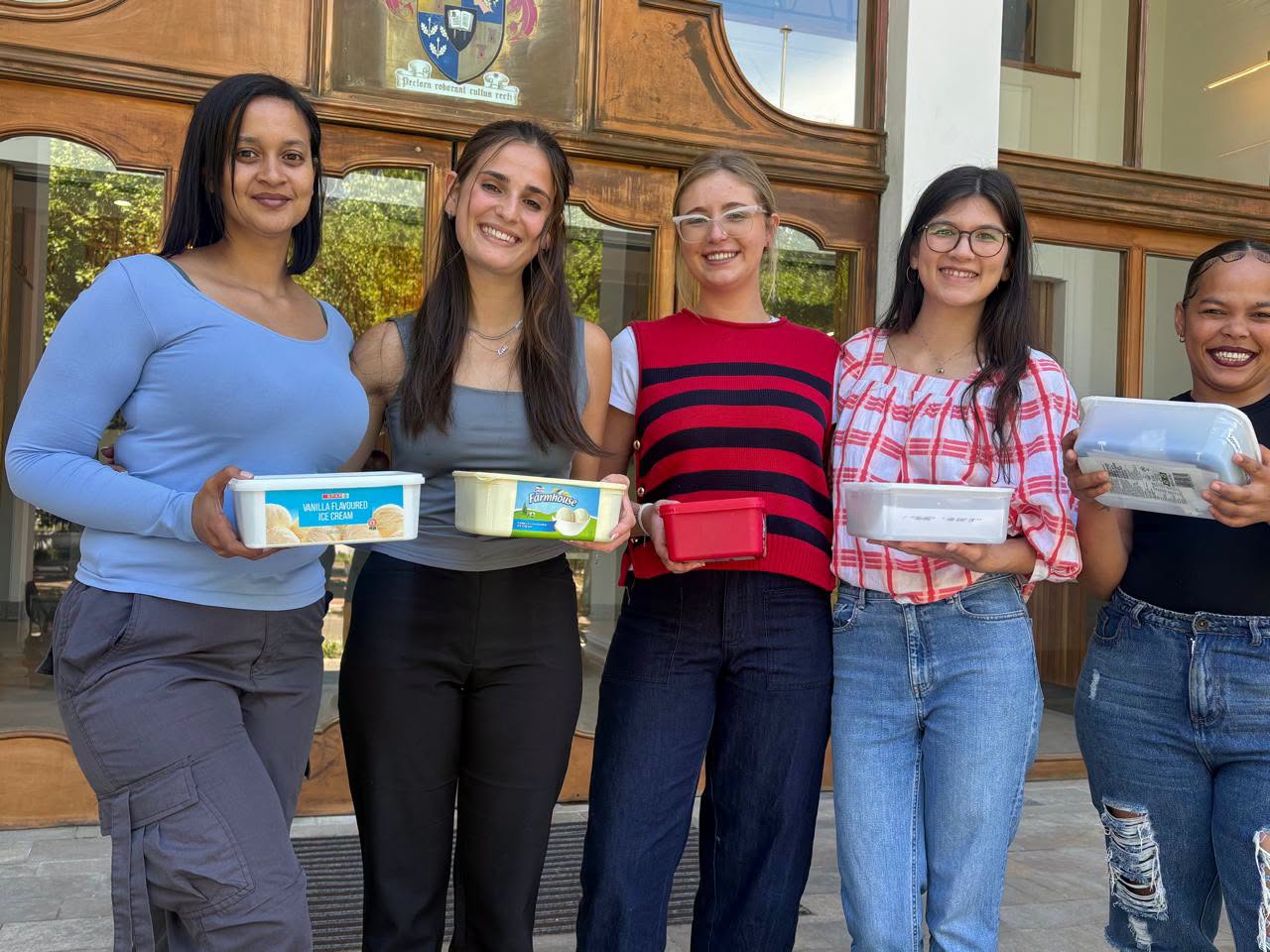
Packed into recycled ice-cream tubs, the boxes contained a range of practical learning materials, including number cards; number-name cards in Afrikaans, English and isiXhosa; dice and counting beads. These tools will help primary school learners explore mathematical concepts through hands-on activities.
Distinguished Professor of Education at SU, Jonathan Jansen, welcomed the initiative, highlighting the need for learning resources in many schools, noting that teachers often have to pay for essential classroom materials themselves.
Agatha Lebethe, a primary mathematics education specialist, shared similar sentiments, emphasising the value of practical teaching resources in the foundation phase, as children benefit from concrete materials that help them understand concepts such as measurement, shape and space.
For the SU Education students, the campaign is a small but practical contribution to a much larger challenge. They hope it will gather momentum and that future final-year education students will continue the initiative, ensuring a lasting bridge of support and enabling even more resources to reach classrooms where they can be put to good use.
“This is a small initiative that could make a big difference,” says Keesha Rule, who also highlights the importance of collaboration among educators and with the national Department of Basic Education.
“Things would be so much better if we worked together,” she says.
Sources: Stellenbosch University
Don’t ever miss the Good Things. Download the Good Things Guy App now on Apple or Google.
Do you have something to add to this story? Please share it in the comments or follow GoodThingsGuy on Facebook and Twitter to keep up to date with good news as it happens, or share your good news with us by clicking here or click the link below to listen to the Good Things Guy Podcast with Brent Lindeque – South Africa’s very own Good Things Guy. He’s on a mission to change what the world pays attention to, and he truly believes there’s good news around us. In the Good Things Guy podcast, you’ll meet these everyday heroes and hear their incredible stories:
Or catch an episode of Good Things with Brent Lindeque or our Weekly Top 5 below. The videos here are always changing, updated with the latest episodes from these two shows. Both are part of Good Things TV, created to bring South Africans balance at a time when the news can feel overwhelmingly negative. Our goal is simple: to remind you that there are still so many good things happening in our country – and to leave you feeling a little more proudly South African.
 by