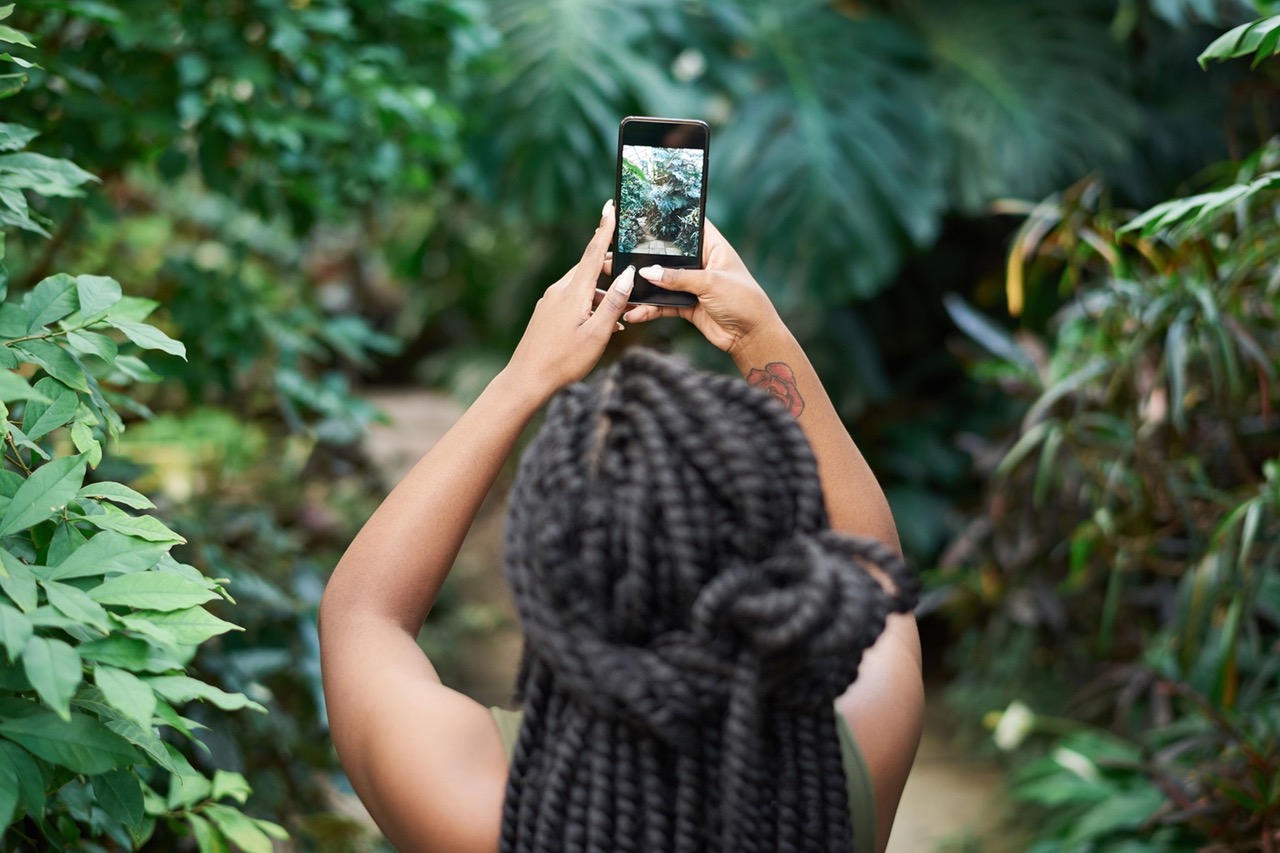
There’s still time to join the Great Southern BioBlitz, which kicks off on 27 November! Here are five GOOD reasons to get involved!
South Africa (06 November 2026) – The Great Southern BioBlitz is just three weeks away!
In case you missed our earlier article – here’s the short version. From 27 to 30 November, people across the Southern Hemisphere will photograph the wild things they find and upload them to the free iNaturalist platform. A global community helps identify each species, and scientists use the data.
Last year, South Africans recorded 103,380 observations of 12,434 species, with 1,733 people taking part. Nobody was paid and most weren’t scientists. They grabbed their phones, went outside, and did good things in the name of citizen science!
Wild Rescue, a nature reserve in the Garden Route, has put together five reasons for more people to get involved this year.
1. More Eyes on Nature Means More Knowledge for Science
Researchers can’t be everywhere, and wildlife doesn’t wait for them.
Every verifiable iNaturalist observation records a wild organism at a specific place and time. Once the community has identified it, the record can feed into global databases like the Global Biodiversity Information Facility, where scientists use it in real studies.
The South African National Biodiversity Institute (SANBI) supports both iNaturalist and the BioBlitz. In 2025, participants across Southern Africa recorded more than 528 threatened species, including many Red List plants from the fynbos and grassland biomes!
2. Counting What Is Left
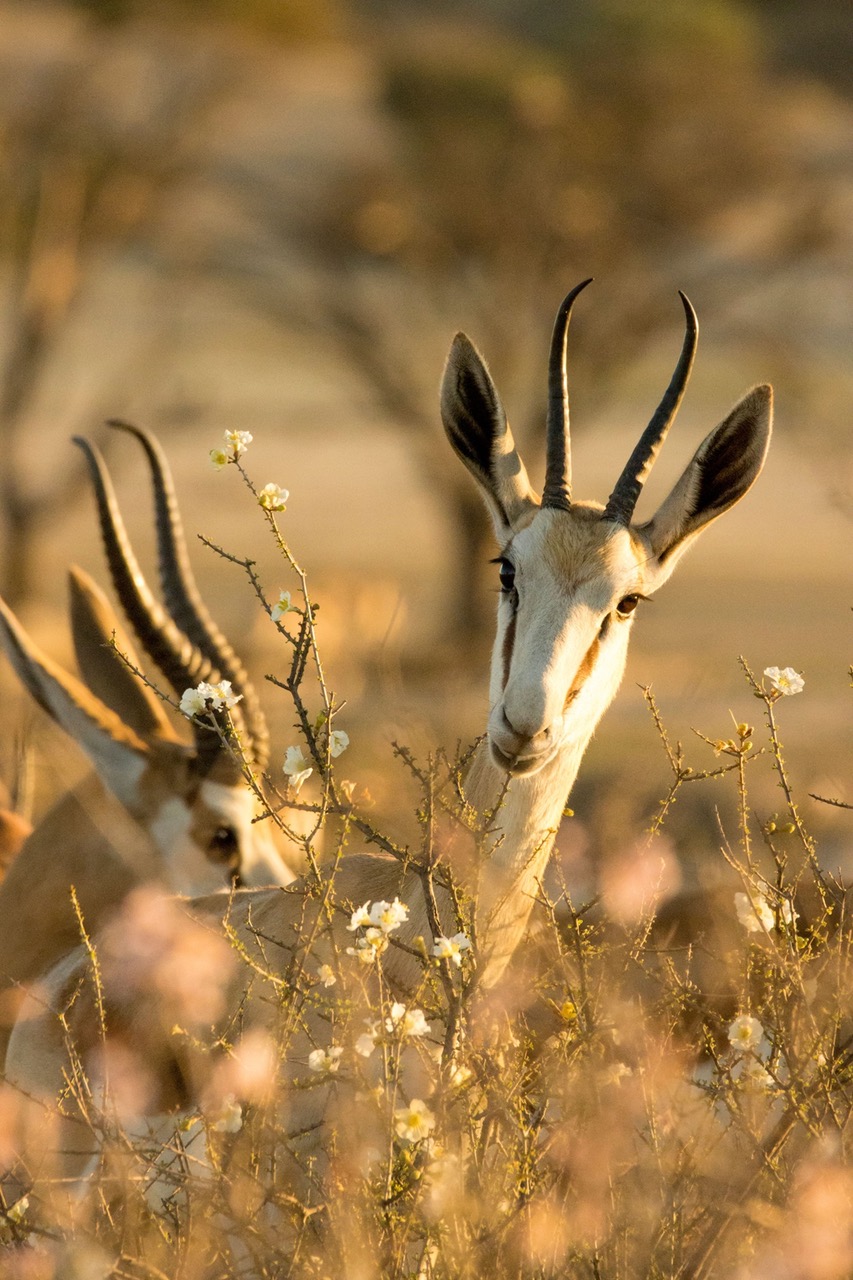
In October, the WWF and the Zoological Society of London published the Living Planet Report 2026. It found that monitored vertebrate populations fell by an average of 73% between 1970 and 2022, and by 85% in freshwater ecosystems. That figure is an average across nearly 36,000 populations, not a headcount of lost animals, but the trend is unmistakable. Habitat loss was the most frequently reported threat, alongside overexploitation, climate change, pollution and invasive species.
The report also has good news. Half of the monitored populations are stable or increasing, including southern African elephants.
Related Stories
 Save a Fishie's Zoë Prinsloo Named SA's Only Diana Award Recipient!
 Young Robotics Team Puts Biodiversity on the Map with Conservation Project in Johannesburg
South Africa is one of the world’s top 10 countries for species richness, but it is under strain. SANBI’s latest assessment found that more than half of all assessed species are of concern. Estuaries, rivers and wetlands are the most threatened and least protected ecosystems.
The Cape Floral Region alone holds about 9000 plant species, and roughly 69% of them are found nowhere else. A 44-year study at Cape Point found that plant diversity is declining, driven by hotter, drier spells after fires and by invasive alien trees. Fynbos needs fire to renew itself, but a warming climate means more frequent veld fires, which can kill plants before they are mature enough to reproduce.
Findings like these depend on long-term records of what lives where. The more observations there are, the easier it is to see which species are holding on and which are disappearing. Participating in the survey is one way you can make a difference. Counting what’s left matters.
3. There Are More Species Than Scientists
The BioBlitz has grown fast. In 2020 it recorded about 71,000 observations from 2500 observers. By 2025 that was more than 282,000 observations from nearly 10,000 observers, covering 37,550 different organism groups! The Western Cape led South Africa with more than 26,000 observations.
A photo won’t replace funding, enforcement or political will. But policies are only as good as the evidence behind them, and a map of what lives where, built by thousands of people, is hard for any single institution to put together.
Biodiversity loss can feel too big and too far away to do anything about. A BioBlitz makes it something you can see, and what we notice, we tend to protect.
4. No Expertise Required
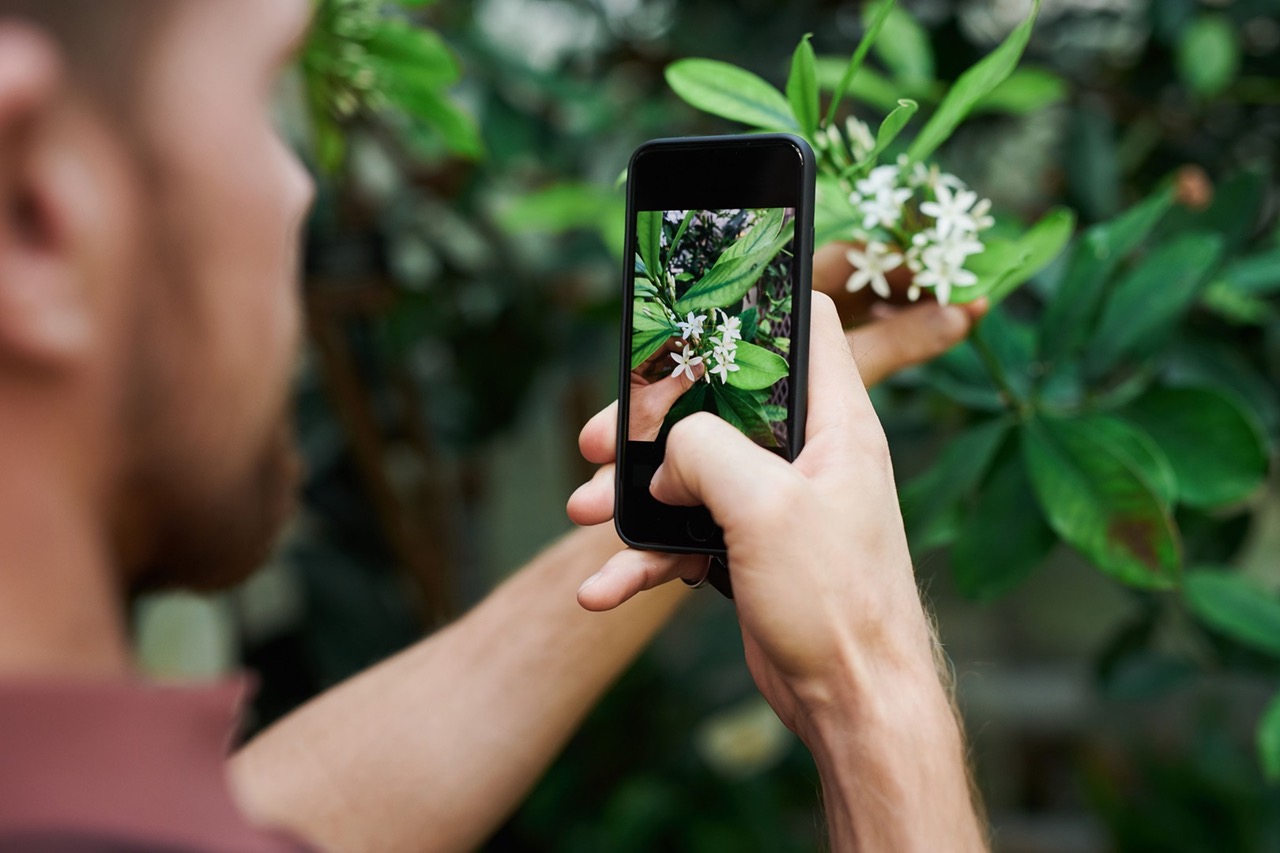
You don’t need to know what you’re looking at. An observation only needs a photo or sound recording (handy for birds), a date and a location!
If you’re not sure what you’ve documented, the iNaturalist community and its AI tool can suggest an identification, and you can add your own notes if you like. If you really have no idea, upload it as ‘Insects’ or ‘Plants’ and let the community narrow it down.
Anything you record inside a participating region during the event dates counts automatically, and identifications can be added for up to two weeks afterwards, so there’s no rush to work it out on the spot.
5. Joining Takes Minutes
Download the free iNaturalist app on Android or Apple, create an account, and photograph what you find between 27 and 30 November. Observations made during the event are included automatically.
To get news and a participation certificate, register on the official website, greatsouthernbioblitz.org. If your area doesn’t have a project page yet, you can register your region to create one!
“We can’t photograph our way out of a climate crisis and biodiversity loss can feel too large a problem to do anything about; but a bioblitz is a concrete answer and a positive action that gives everyone some agency and a share in doing conservation work: one photograph, one place, one date, added to a record that scientists can use to better understand and protect species. Anyone can help document our biodiversity. Nature is counting on you.” says Gill Simpson, founder and director of Wild Rescue.
A huge thanks to Wild Rescue for sharing these reasons to get involved!
The Wild Rescue nature reserve is organising the Garden Route’s participation this year, promoting the event widely and encouraging communities and organisations to take part.
 by