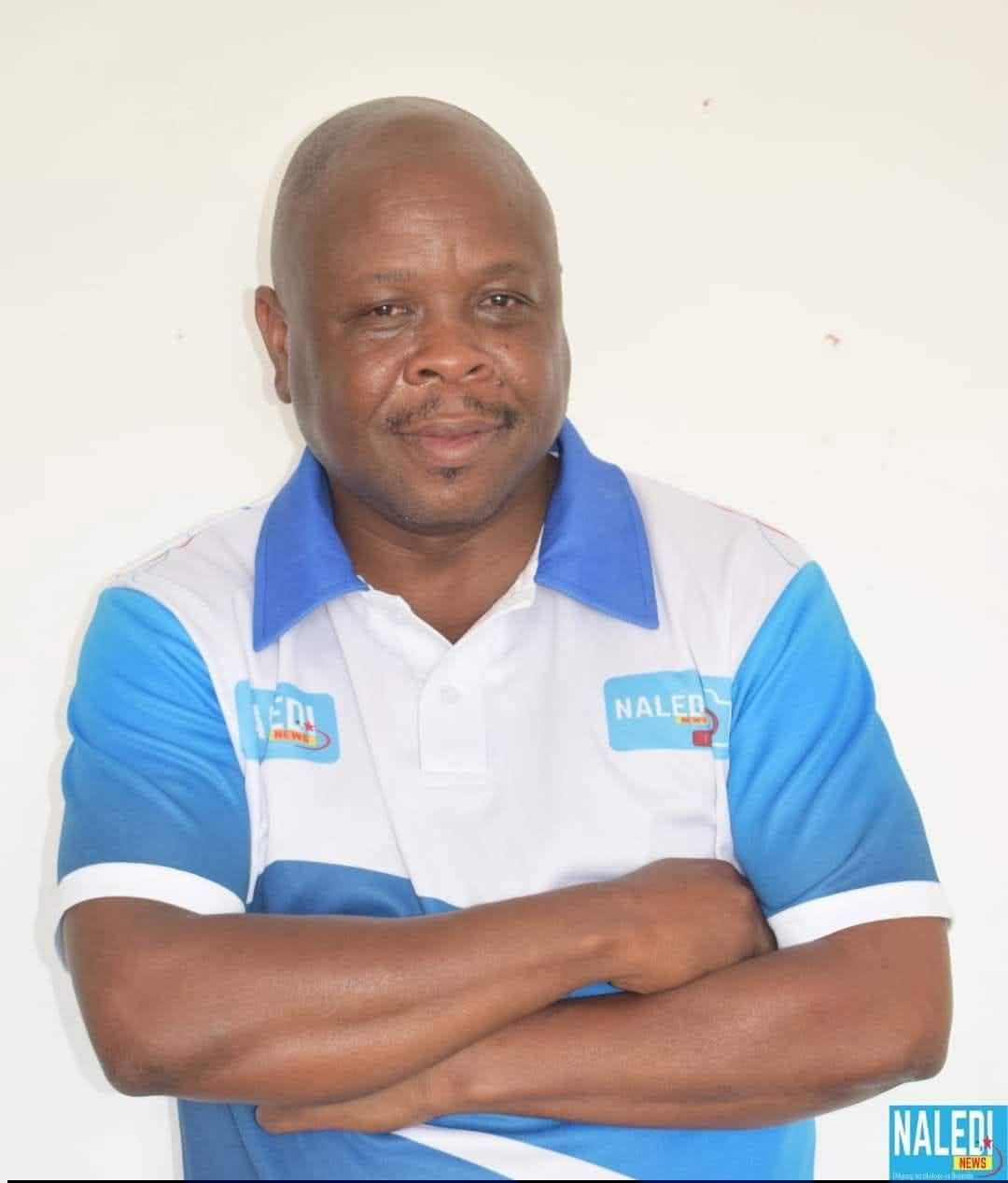
When Ananias Ndlovu was rushed to Rustenburg’s JST Hospital, fearing the worst about public hospitals, he instead witnessed a refreshing display of dedication, urgency, and deeply moving professionalism.
Rustenburg, South Africa (10 June 2026) – Our country’s public healthcare system, like many public institutions, is often a subject of controversy.
So, when Ananias Ndlovu, who also happens to be a journalist, recently developed a persistent cough that progressed into chest tightness and difficulty breathing, he could tell he needed medical attention – and immediately began bracing himself for the worst.
“My wife became worried. She tried every home remedy she could think of. Nothing worked. By then, I needed medical attention,” he shares in a Facebook post.
A family friend rushed him to Boitekong Health Centre in the early hours of Friday morning, where the nurses and doctor on duty attended to Ananias immediately and placed me on oxygen.
“Unfortunately, my breathing was not improving enough. The doctor recommended that I be transferred to the hospital. I hesitated.”
Like many South Africans, the thought of spending a night in a public hospital did not exactly excite him. But he needed help.
Ananias was transported by an ambulance to Job Shimankana Tabane (JST) Provincial Hospital in Rustenburg. While on the way, he mentally prepared himself for the things he so often hears about: the overcrowding, chaos, frustration and neglect.
However, when he arrived at the hospital at around 3 am, what he found was something completely different.
“The casualty unit was busy, as one would expect at that hour. Ambulances arrived with patients. Some people were in visible pain. Others looked frightened and exhausted. Yet there was order.”
Related Stories
Ananias recalled doctors moving quickly between patients. Nurses were attending to people with professionalism and urgency. Emergency personnel were handing over patients efficiently. The ward was functioning.
“As my breathing gradually improved, the journalist inside me woke up,” he said.
 Anthony Roodt Refused to Let a Life-Changing Accident Shrink His Dreams
 After a Decade-Long Struggle, Lungelo Ngcobo Finally Steps into His Law Career
As Ananias observed the interactions between staff members, listened to conversations and paid attention to details, he was pleasantly surprised.
By 6 am, two doctors had already examined him. The casualty ward was clean. Nobody was sleeping on the floor. Patients were being attended to. Communication between healthcare workers appeared coordinated and professional.
Doctors checked on him, his breathing improved, and he was asked to stay for proper observation.
“Throughout the day, I continued waiting for the horror stories people often associate with public hospitals. They never arrived.”
Even when his food arrived, it was clean, well prepared and served respectfully.
“When staff noticed I needed blankets, they brought me two clean blankets and a set of hospital pyjamas that smelled freshly washed. It may sound like a small thing. But when you are sick and vulnerable, small things matter.”
There were even light-hearted moments of shared laughter between nurses and patients.
“For a few moments, sickness disappeared, and joy filled the room. That memory will stay with me for a long time.”
The professionalism continued throughout Friday and Saturday.
Though there were a few issues he noticed, such as in certain areas of housekeeping, the hospital stay was, for the most part, pleasant.
Ananias penned the post to acknowledge and salute the admirable work done by the staff he encountered at the hospital.
“When government services fail, we talk about them for days. When a nurse is rude, we tell everyone. When a hospital is dirty, we take pictures and post them on social media. We write stories. We criticise. Sometimes rightly so. But how often do we stop and say thank you?”
Ananias thanked the doctors who monitored his recovery, the nurses who cared for him, the cleaners who worked behind the scenes, the ambulance personnel who transported him safely, and every member of staff who played a role in helping him breathe normally again.
“Today, I do not have a scandal to report. I have gratitude. You reminded me that public healthcare is sustained by dedicated men and women who continue serving despite enormous challenges.”
Sources: Ananias Ndlovu
Don’t ever miss the Good Things. Download the Good Things Guy App now on Apple or Google.
Do you have something to add to this story? Please share it in the comments or follow
GoodThingsGuy on Facebook & Twitter to keep up to date with good news as it happens, or share your good
news with us by clicking here or click the link below to listen to the
Good Things Guy Podcast with Brent Lindeque – South Africa’s very own Good Things
Guy. He’s on a mission to change what the world pays attention to, and he truly believes
there’s good news around us. In the Good Things Guy podcast, you’ll meet these everyday heroes
& hear their incredible stories:
Or watch an episode of Good Things TV below, a show created to offer South Africans
balance in a world with what feels like constant bad news. We’re here to remind you that there are
still so many good things happening in South Africa & we’ll leave you feeling a little more
proudly South African.
https://www.youtube.com/watch?v=JTiaz0pJNXE
 by
by