


South Africa has been changing how kids learn to code with a homegrown programme that has now reached over 350,000 learners worldwide!
Nelson Mandela Bay, South Africa (16 January 2026) – Tangible has just been accepted into the international UNICEF-led Learning Cabinet!
The Learning Cabinet is a platform that showcases education tools which have been independently tested and proven to be safe, effective and scalable. It’s an international trusted stamp of approval for programmes that actually work in real classrooms, across very different countries, cultures and conditions.
Being included means Tangible now sits alongside a small group of education tools recommended to governments and education decision-makers around the world.
“Tangible’s selection by the Learning Cabinet followed a rigorous evaluation process that included academic impact studies,” says Professor Jean Greyling, Head of the Department of Computing Sciences at Nelson Mandela University, where it all started.
Developed by the university’s Department of Computing Sciences and now implemented globally by the not-for-profit Leva Foundation, Tangible teaches problem-solving and computational thinking through simple games. These games work with or without computers, which is a game-changer in countries where access to tech is limited.

Professor Greyling, coordinator of the project, says the recognition is important.
“We need to equip all learners for a future shaped by technology and artificial intelligence and the Learning Cabinet inclusion is an important acknowledgement of an approach that was designed for classrooms everywhere, irrespective of their resources or lack of them,” shares Greyling.
In South Africa alone, many schools don’t have computers. Tangible was built with that reality in mind. So instead of screens and keyboards, kids start by playing physical, hands-on games that teach them how to think like coders. The tech can come later.
“Our goal is to reach learners worldwide, across very different classroom contexts,” shares Greyling. “In South Africa, over 16,000 schools lack computers, which is why Tangible is designed to work with or without technology, without being limited by either.”
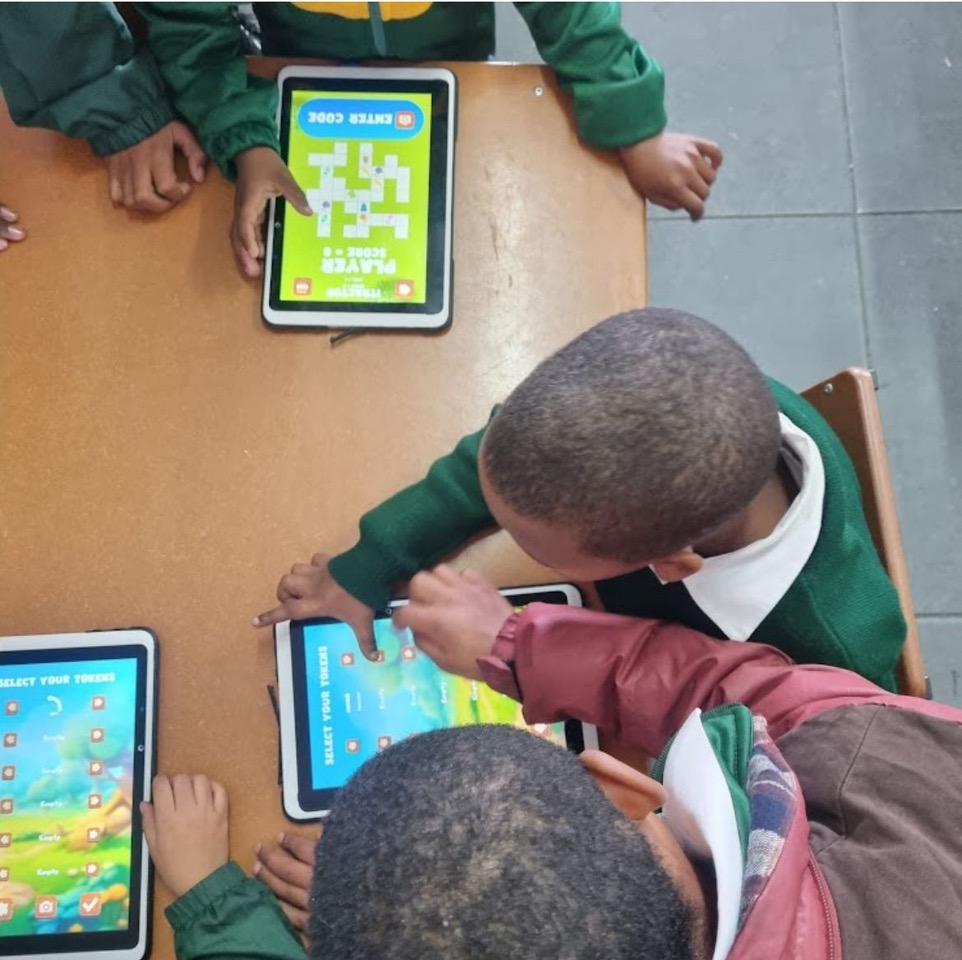
One of Tangible’s most popular games is Rangers, where players guide a ranger through an obstacle course to catch rhino poachers. Every level introduces a new problem to solve – and along the way, learners also pick up lessons about conservation. For younger children, there’s Juicy Gems, a farming-themed game for five- to nine-year-olds. Older learners can try Speed Stars, inspired by Formula 1 racing, or Code Cup, which uses soccer to teach logic and strategy.
It’s fun and games, but it’s also real learning!
“Through the process, many learners gain the confidence to pursue mathematics, which is essential for STEM careers.” says Greyling.
The programme follows South Africa’s Coding and Robotics curriculum from Grade R to Grade 7 and has been adapted for classrooms across the world. Special formats have even been developed for autistic and visually impaired learners, too.
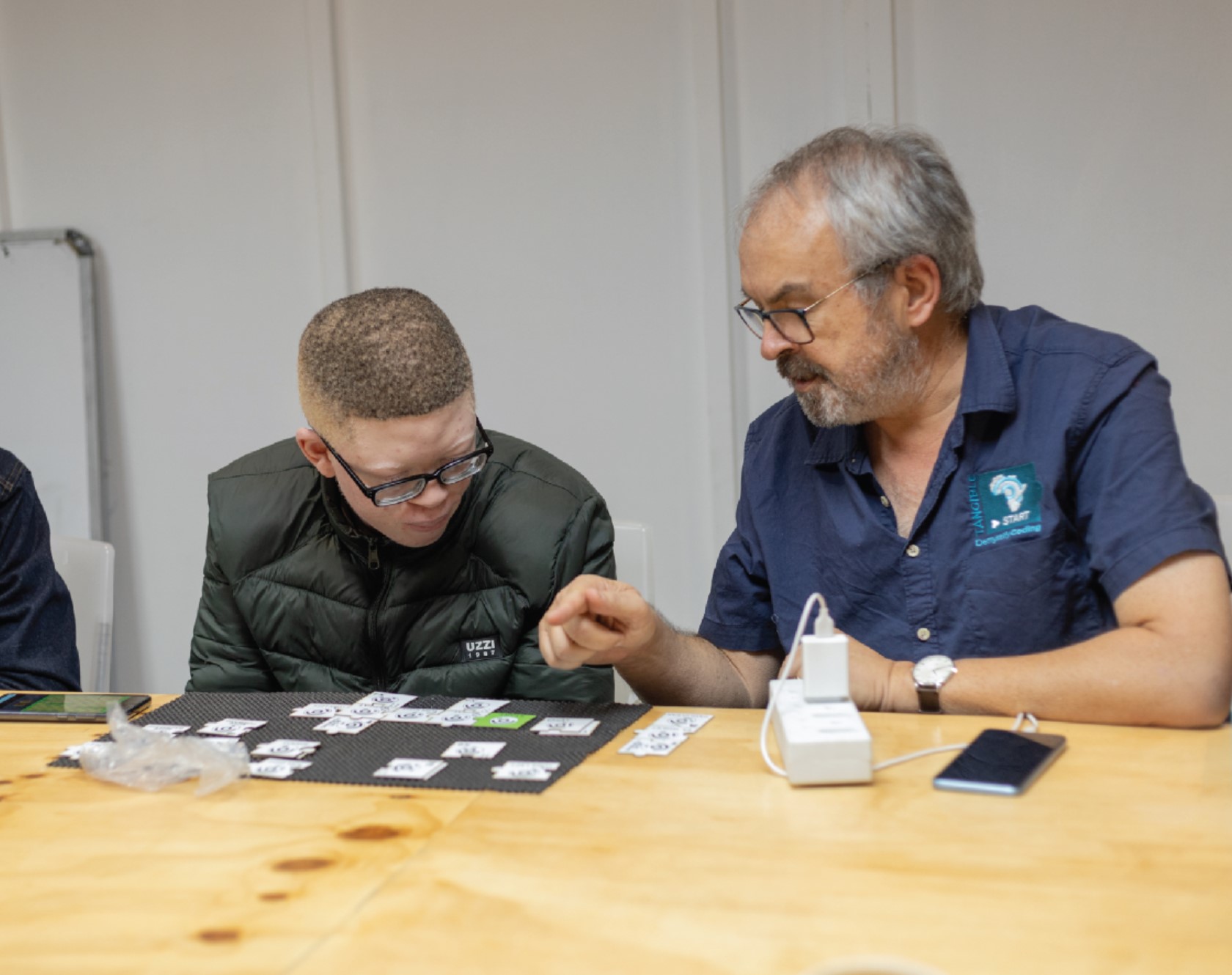
To support teachers, Tangible has also created over 200 free lesson plans, shared via a WhatsApp chatbot. During its 2025 pilot year, nearly 3000 teachers signed up for the tools that allow them to teach coding even without devices.
Since launching in 2017, when it began as an Honours project by student Byron Batteson, Tangible has mushroomed. Today, it reaches learners in nine African countries, as well as Ireland, South Korea, Cyprus, Germany and Indonesia. In total, more than 350,000 learners worldwide have already used it!
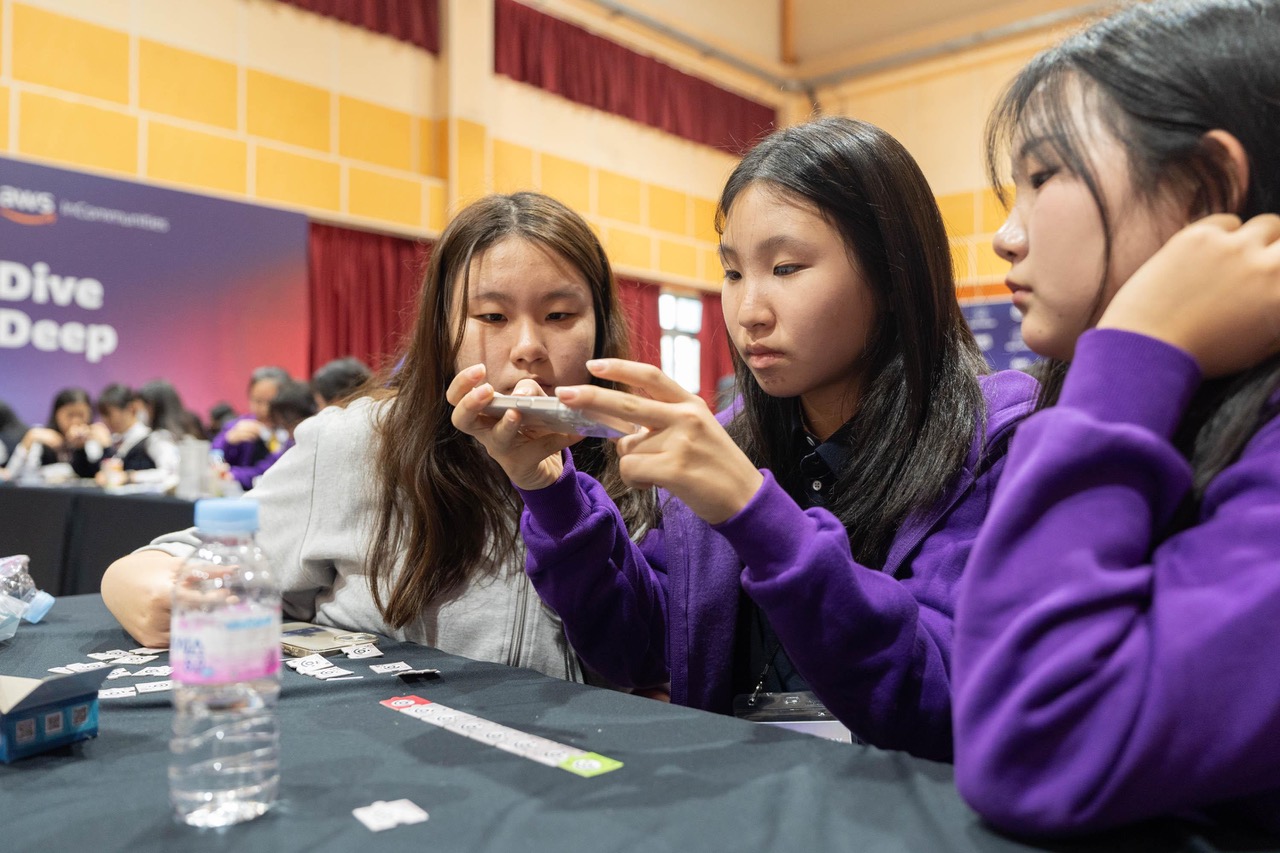
One of the programme’s biggest moments each year is #Coding4Mandela, held during Mandela Month. In a recent tournament, 50,000 learners from across Africa took part. One of the earliest participants, Buhle Pikoli from Gqeberha, had never used a computer before joining. He completed all 35 levels in just two days. Today, he’s a qualified software developer.
In 2025, Tangible also hosted a global Coding World Cup with 340 teams from 30 countries. South African schools shone, placing first and second!
Countries across the world need to prepare children for a tech-driven future, and Tangible’s acceptance into the Learning Cabinet highlights that South Africa is a contributor to that necessary shift. It also proves that tech-centred learning can be made accessible, fun and practical. Nobody gets left behind.
 by
by 