Regular, targeted exercise can be vital in managing Parkinson’s, supporting mobility and strength, as well as aspects of mental health. For advocate Arrie Rautenbach, staying active makes all the difference in living life to the fullest.
South Africa (21 October 2026) – For people living with Parkinson’s disease, exercise is often recommended as part of managing the condition.
But increasingly, science is showing that movement is more than simply a way of staying fit. Regular, targeted exercise can help people with Parkinson’s maintain mobility, balance, strength and independence, while also supporting aspects of mental and cognitive health.
Parkinson’s is a progressive neurological condition, and its symptoms can vary considerably from one person to another. Tremor, stiffness and slowed movement are among the best-known symptoms, but people can also experience problems with balance, walking, fatigue, sleep, mood and thinking.
This is where movement becomes particularly important.
Research has found that regular physical activity can improve gait, balance, flexibility, coordination and endurance, while also helping with some non-motor symptoms such as depression, anxiety and sleep difficulties.
A 2024 systematic review and network meta-analysis of 30 studies involving 2,264 people with Parkinson’s found that home-based exercise was associated with improvements in motor symptoms, quality of life, walking speed, balance and finger dexterity.
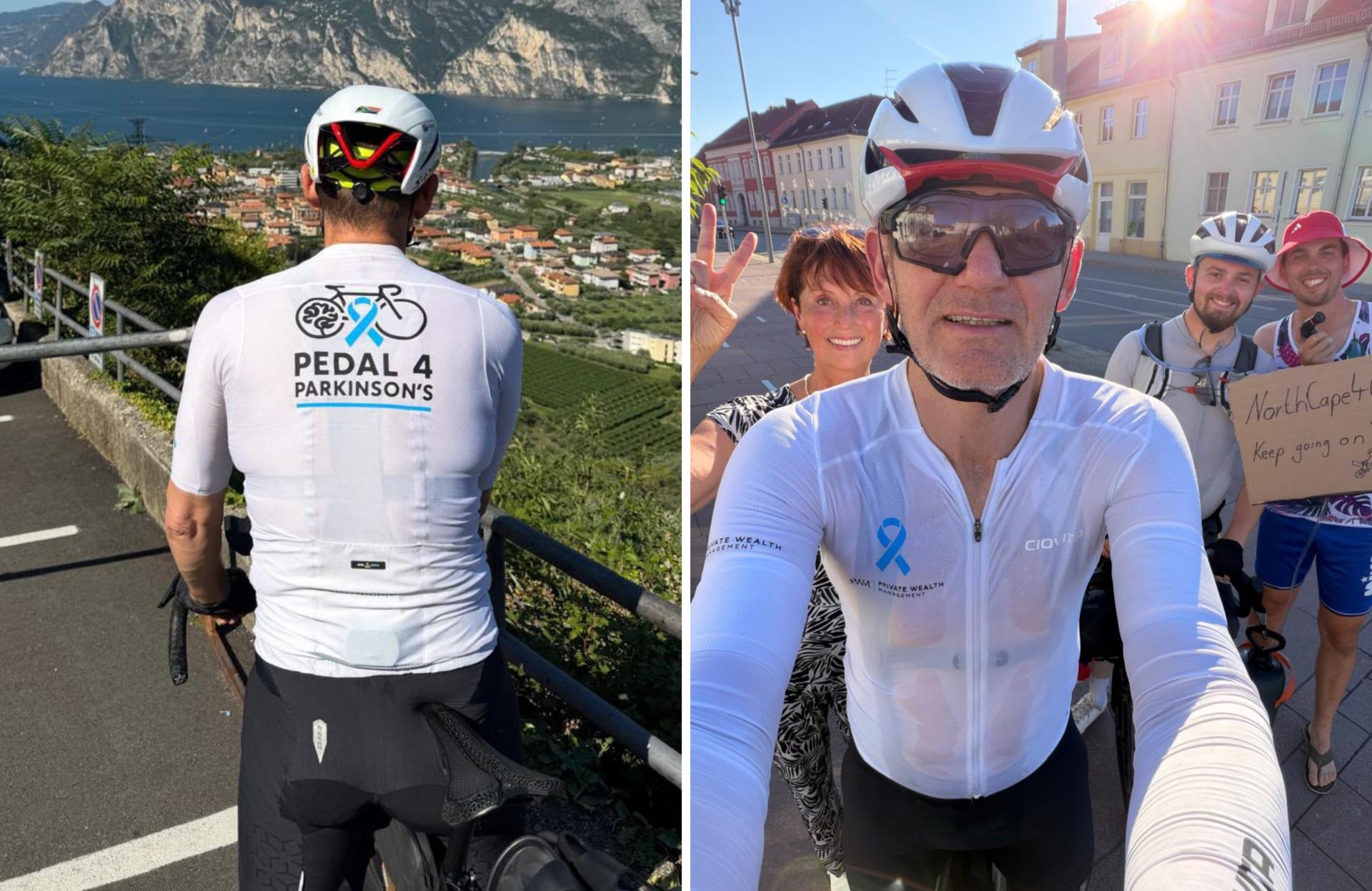
For former Absa CEO and Parkinson’s advocate Arrie Rautenbach, the difference movement makes is not theoretical – it is fundamental to his well-being.
“For me certainly, exercise and movement are fundamental to my treatment plan. If I am out of my exercise routine for even one week, my symptoms flare up significantly. I also focus strongly on my nutrition and recovery; clean food and a good sleep routine are also very important to the treatment plan,” he says,
Rautenbach’s experience is particularly striking. Good Things previously shared that he recently completed the 4,062.5km NorthCape4000 cycling challenge from Rovereto in Italy to Norway’s North Cape, climbing more than 30,000 metres along the way while living with Parkinson’s.
Related Stories
 Sunbasking Dassie Joins Reservoir Wall in Gonubie!
 Deep South Community Invited to Walk for School Shoes and Change 140 Children's Lives
But people living with Parkinson’s do not need to cycle thousands of kilometres to benefit from movement.
The updated 2026 exercise recommendations from the Parkinson’s Foundation and American College of Sports Medicine divide exercise for people with Parkinson’s into four key areas: aerobic activity, strength training, flexibility, and balance, agility and multitasking. The recommendations call for around 150 minutes of moderate-to-vigorous exercise a week, although exercise should always be adapted to an individual’s abilities, symptoms and stage of the disease.
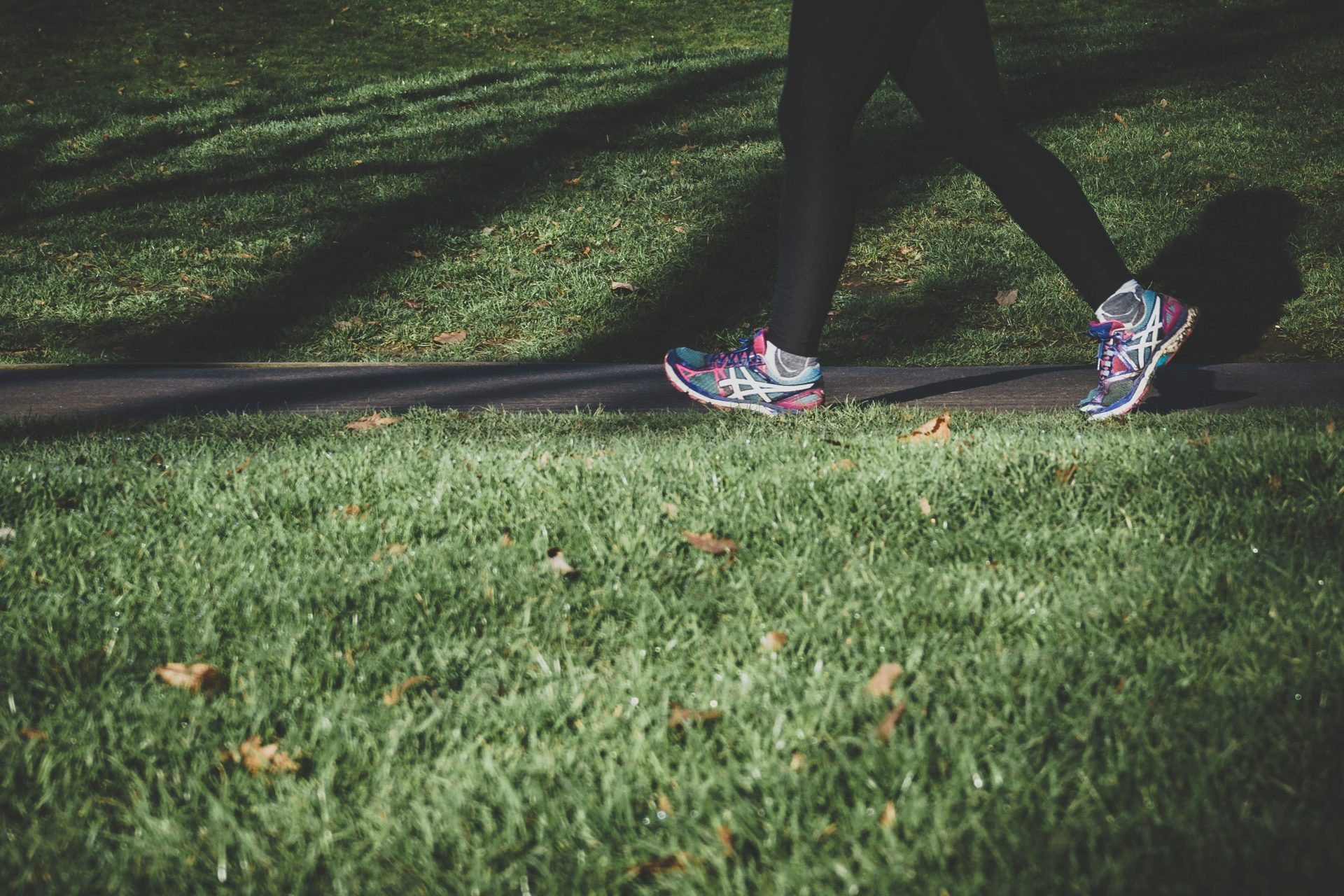
That could mean brisk walking, cycling, swimming or dancing for aerobic exercise; resistance bands or weights for strength; stretching or yoga for flexibility; and activities such as Tai Chi, dance or specific balance exercises to challenge coordination and movement.
Perhaps most importantly, there is no single “correct” Parkinson’s exercise.
Someone who is newly diagnosed and physically active may be able to exercise quite vigorously, while someone experiencing significant balance or mobility difficulties may need a very different programme. A physiotherapist with experience in Parkinson’s can help establish a safe and appropriate starting point and adapt the programme as symptoms change.
The message, however, is remarkably consistent: keep moving.
Exercise does not replace medication or medical care, and it should not be presented as a cure for Parkinson’s. But the evidence increasingly supports it as an important part of living well with the condition.
For more information, please visit https://arrieforparkinsons.com/

 by