A group of pangolin heroes jumped to save a leopard cub in need, and a big cat sanctuary worked in record time to build her a rehabilitation space!
Limpopo, South Africa (01 July 2026) – The African Pangolin Working Group (APWG) is best known for the incredible work it does to rescue and rehabilitate one of the world’s most threatened mammals – pangolins.
Sometimes, however, another wildling arrives needing specialised veterinary care. Working in wildlife conservation often means helping whichever animal needs it most.
A young leopard cub, now named Mohli, was found trapped inside a chicken coop after wandering onto a farm alone, desperately searching for food. Rescuers believe she had been without her mother for some time.
“A leopard cub was recently found trapped in a chicken coop, her mother likely killed on the surrounding farmlands. We were called in by caring farmers who had noticed her, worried that something had happened to her mother and concerned for the little cub’s wellbeing.” shares the APWG.
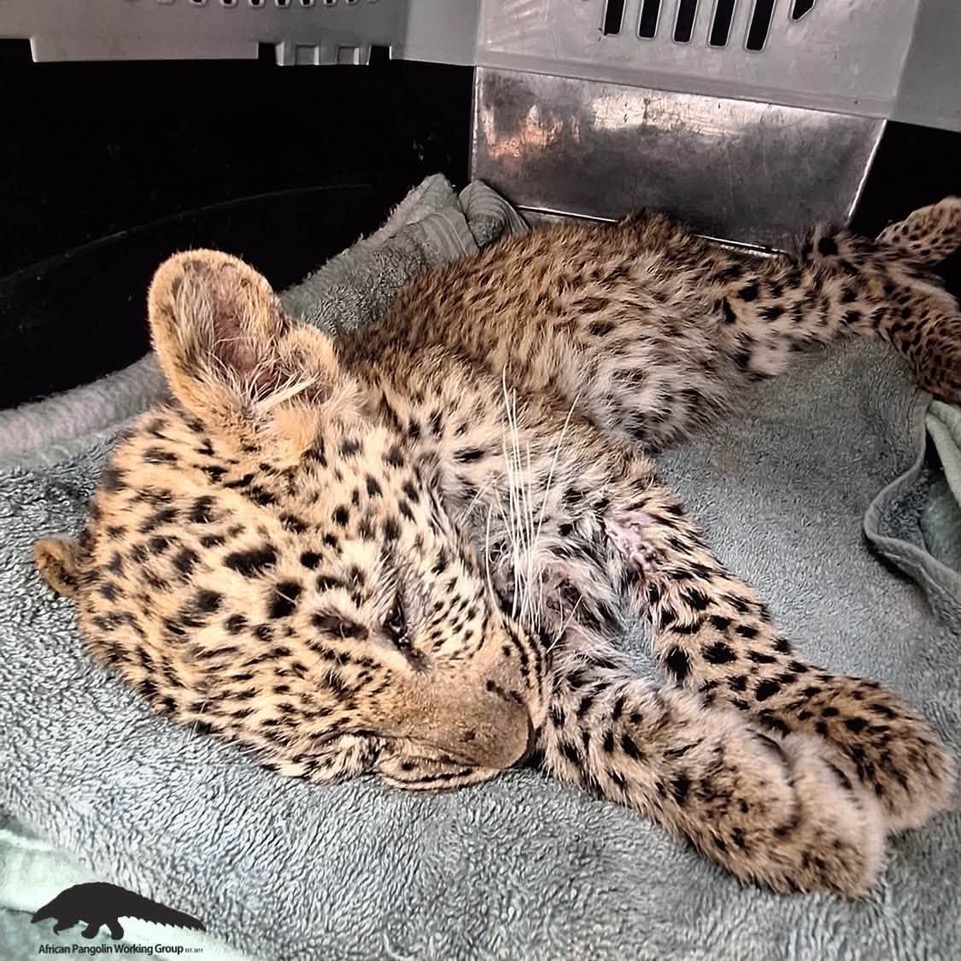
By the time the team reached her, Mohli was in a worrying condition. She was severely underweight, dehydrated and far too young to be surviving on her own. Dr Kelsey collected the cub in the APWG’s mobile rescue vehicle and rushed her back to the Pangolarium. There she received urgent and intensive veterinary treatment. The centre’s one and only spotted patient.
“So weak and thin, she needed intensive veterinary attention and round-the-clock observation to bring her back to health. We named her Mohli, short for Mohlabane, meaning ‘fighter’, because she was fierce from day one, and she prevailed despite her fragile state.”
Thankfully, Mohli responded well to treatment. Once she was healthy enough, she was transferred to Indlulamithi Wild Big Cat Sanctuary, where the next stage of her journey has begun. The aim is to help her grow into a strong, wild leopard that can eventually be released back where she belongs.
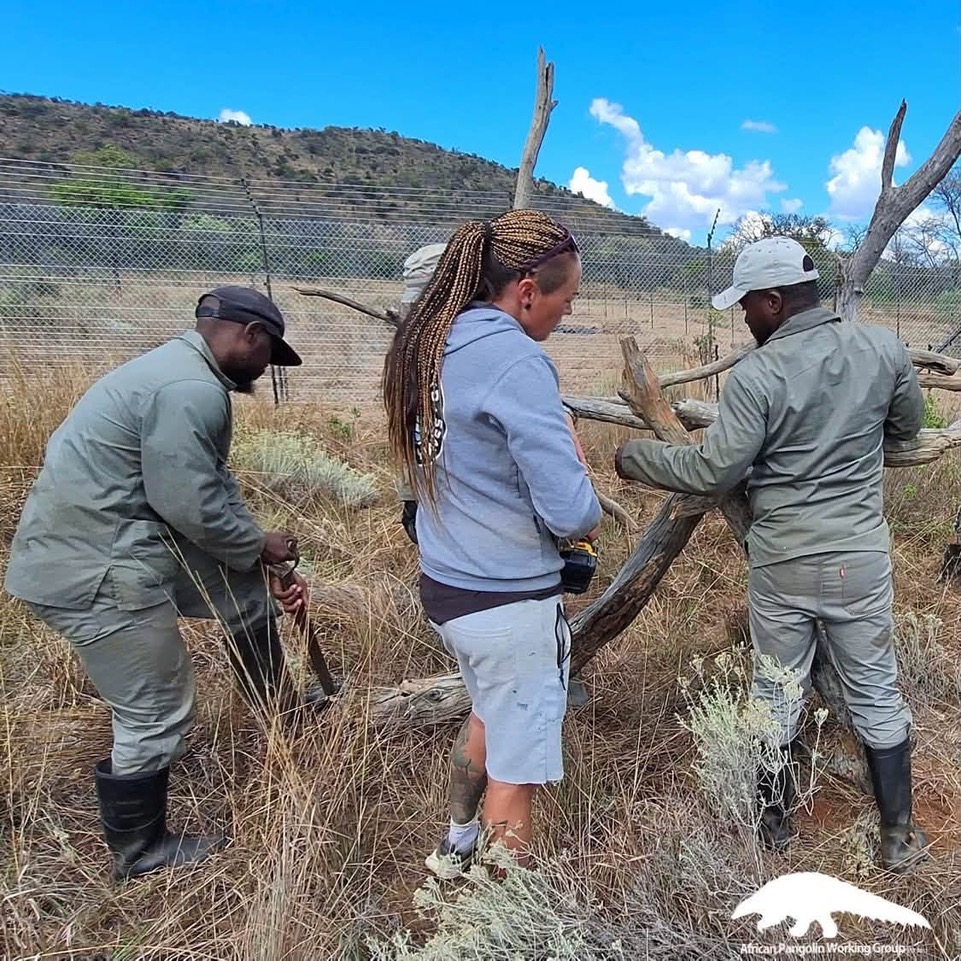
When the sanctuary was asked if they could take her in, they didn’t actually have space ready, but they quickly made a plan.
“We did not have an open enclosure, but we knew we had to help her. We managed through friends and family to get enough money to build her a small 25m x 25m management camp to start off with. It was built in a week,” the sanctuary shares.
 Local Ocean Champion Zoë Prinsloo Takes Her Mission Global!
 Cape Town Kayakers Rescue Starving African Penguin Far Out to Sea
Mohli is now eating well, exploring her surroundings and growing stronger every day. She is being monitored using camera traps so that human interaction stays to a minimum, which gives her the best chance of returning to life in the wild.
The next step is building a much larger soft-release enclosure where she can develop the skills she’ll need before being released at around 18 months old.
“Mohli is growing fast, and we desperately now need to build her a larger soft release enclosure, which will be part of the small camp she is in now. She needs bigger space to grow, run, and learn to be a wild leopard. When Mohli is released this enclosure will be used for other big cats that needs help.”
If you’d like to help Mohli on her journey back to the wild, Indlulamithi Wild Big Cat Sanctuary has launched an online crowdfunding campaign to raise funds for her larger rehabilitation enclosure. Any support will help Mohli and create a space that can one day give other rescued big cats the same second chance.
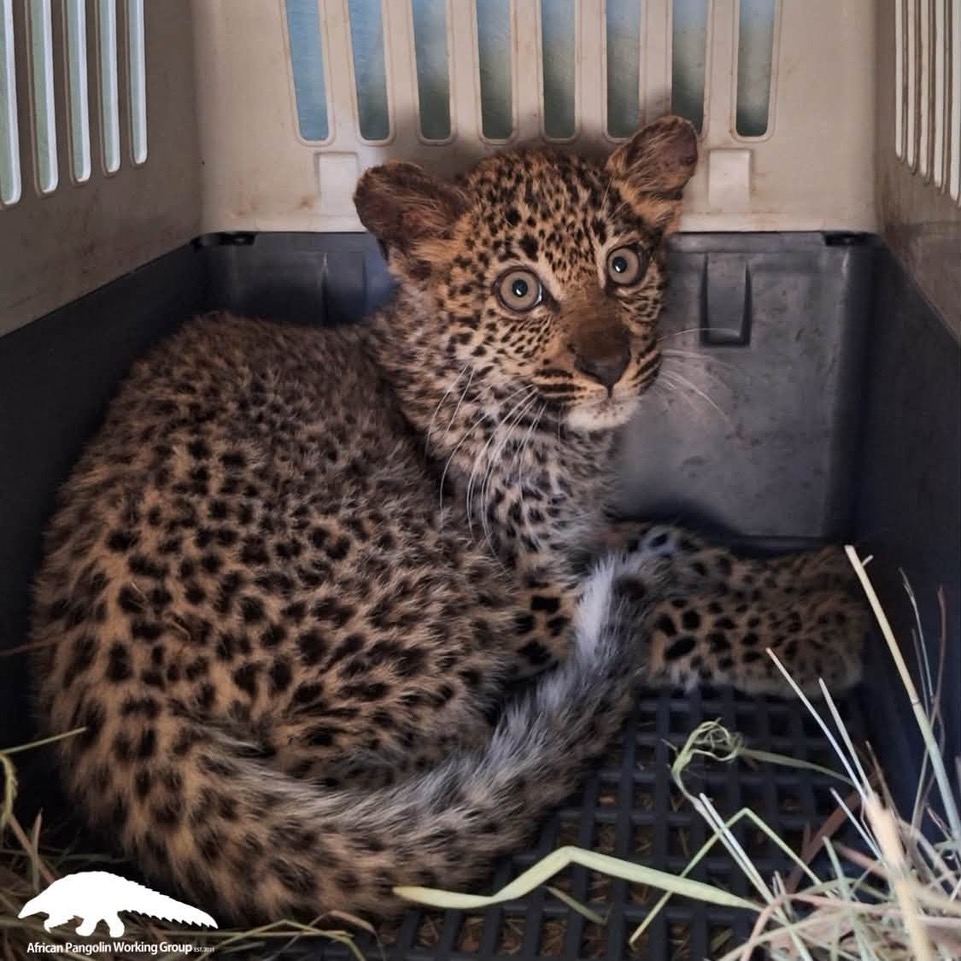
Thanks to her heroes at the Pangolarium and rehabilitators at the sanctuary, this big-eyed cub will live the wild life she was born for.
“Our facility was founded around one of the world’s most trafficked mammals, but the skills, the equipment, and the people who run it are equipped for far more than that. As a veterinary practice grounded in wildlife conservation, we’re able to assist animals of all kinds when they arrive in need of care. That readiness isn’t a departure from our purpose, it’s the heart of it. The Pangolarium will always be a home for pangolins first. But our care reaches as far as the wildlife that needs it,” shares the APWG.
 by
by