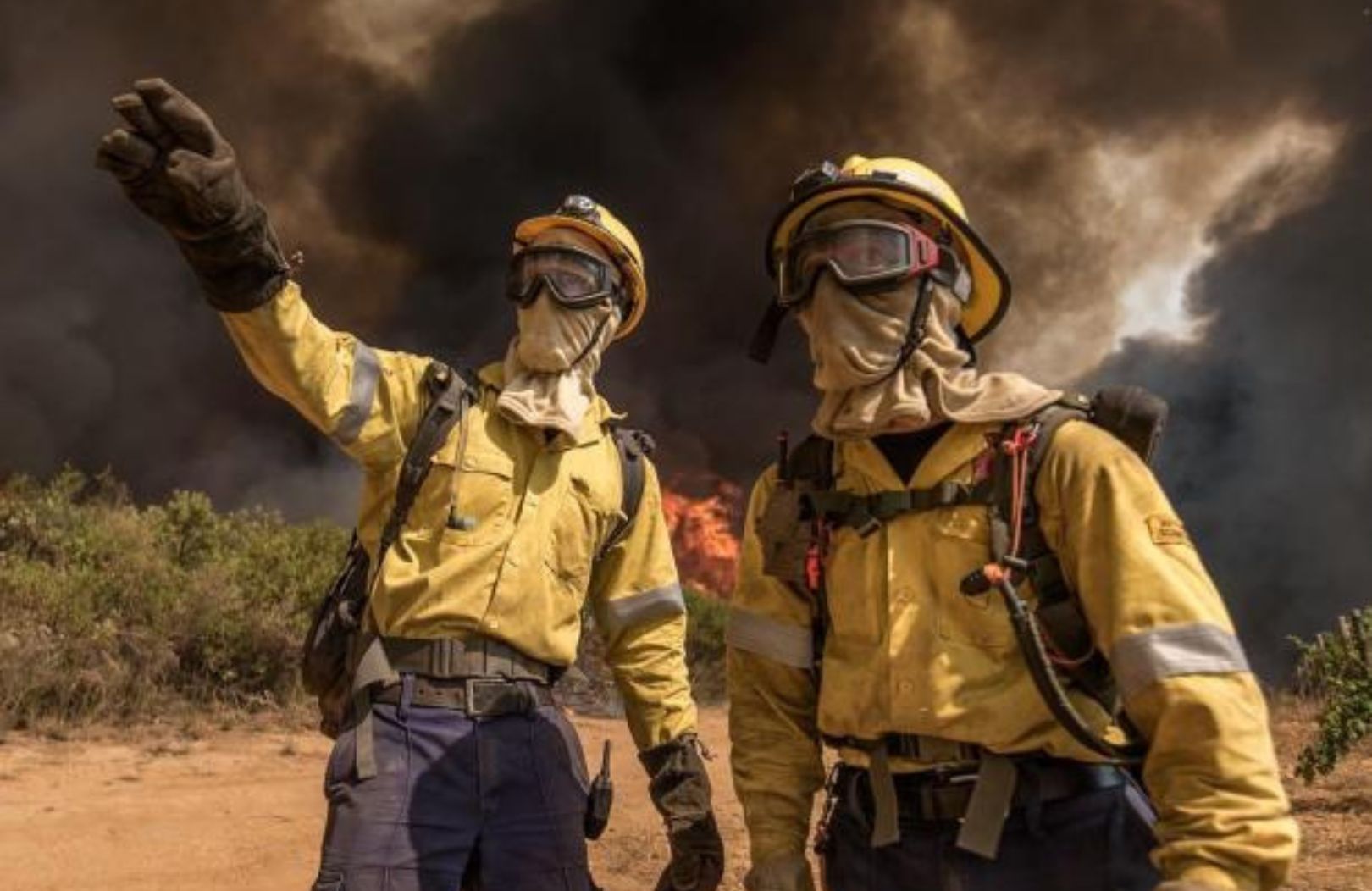
Thirteen university students are balancing their studies with the heroic work of fighting wildfires.
Stellenbosch, South Africa (03 March 2026) – Their fellow Stellenbosch University (SU) community calls them the ‘Mountain Goats’. A group of students who, when the call comes through, drop everything to fight wildfires around the Western Cape.
Through Volunteer Wildfire Services (VWS), these young heroes often hike to difficult-to-reach terrain that firefighting trucks, tankers and even helicopters can’t access.
Wildfires can spread at a drop of a hat – emergencies have seen the Mountain Goats sacrifice lectures, study sessions and assessments to beat back the flames. They’re always available.
“When an emergency happens, we run towards it. We follow the sirens,” says Liam Proctor, a BSc Human Life Sciences student who hopes to study medicine.
Liam is one of 13 SU students who serve as firefighters with the largest volunteer firefighting organisation in South Africa. With roughly 350 members across four bases – Stellenbosch, Helderberg, Newlands and the Southern Peninsula – VWS deploys crews across the province.
“Each winter, volunteers undergo mandatory annual retraining, which includes physical, practical and theoretical assessments. Once qualified, they are expected to participate in regular weekend standbys and remain available for deployment at any time.” shares SU.
They’re committed students with bright futures ahead, but they’re also willing to put everything on hold when the call for help comes through. Donning their yellow and blue uniforms with pride, and shouldering tens of kilograms of gear, they hike up literal mountains to beat back the flames.
The group has sacrificed much of their time serving on the frontlines of some of the most devastating fires the Western Cape has experienced in recent years.
It takes unmatched drive and dedication to keep showing up when the sirens go.
Related Stories
 Every Child Can Experience the Joy of Play at Lonwabo Centre’s New Inclusive Playground!
 A Music Obsession That Has Guided Aiden Heugh' Life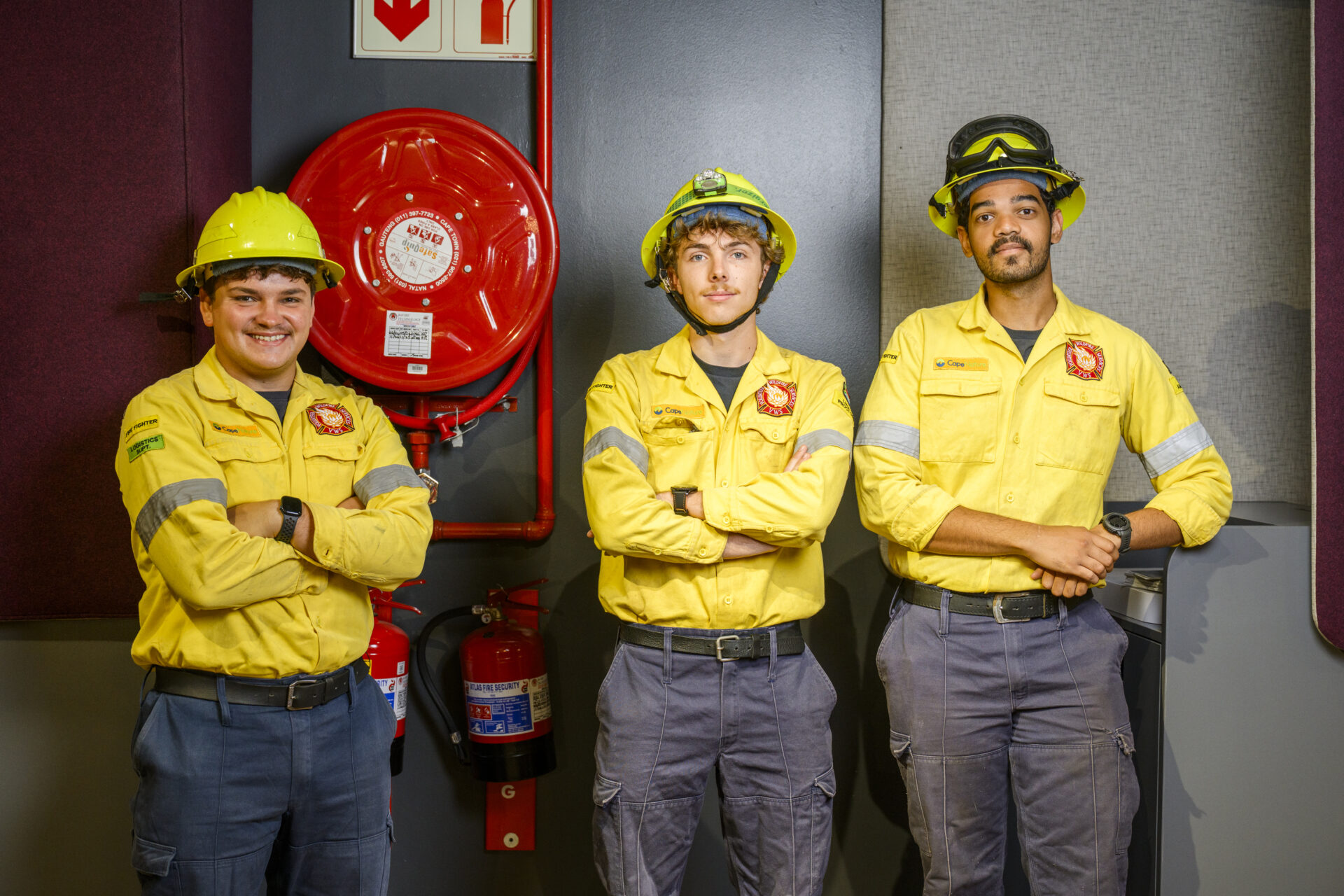
Dario Consani is a third-year BA Sports Science student with a second major in geographic environmental studies. He spends hours volunteering. When the adrenaline wears off, it comes down to physical ability. Consani trains five times a week to stay in shape.
“I thought it would be something adventurous to get involved in. I’m really glad I joined,” he says with a big grin. “You need the physical and mental drive to be able to continue to fight fires for 12 plus hours at a time,” he explains.
Then there’s Zach Ambrose, a third-year mechanical engineering student who hails from Pretoria. He dreamed of becoming a firefighter since he was five. He chose to study at SU partly because he knew he could join VWS.
“That was a big part of my motivation,” he says with a laugh. “Just don’t tell my mother!”
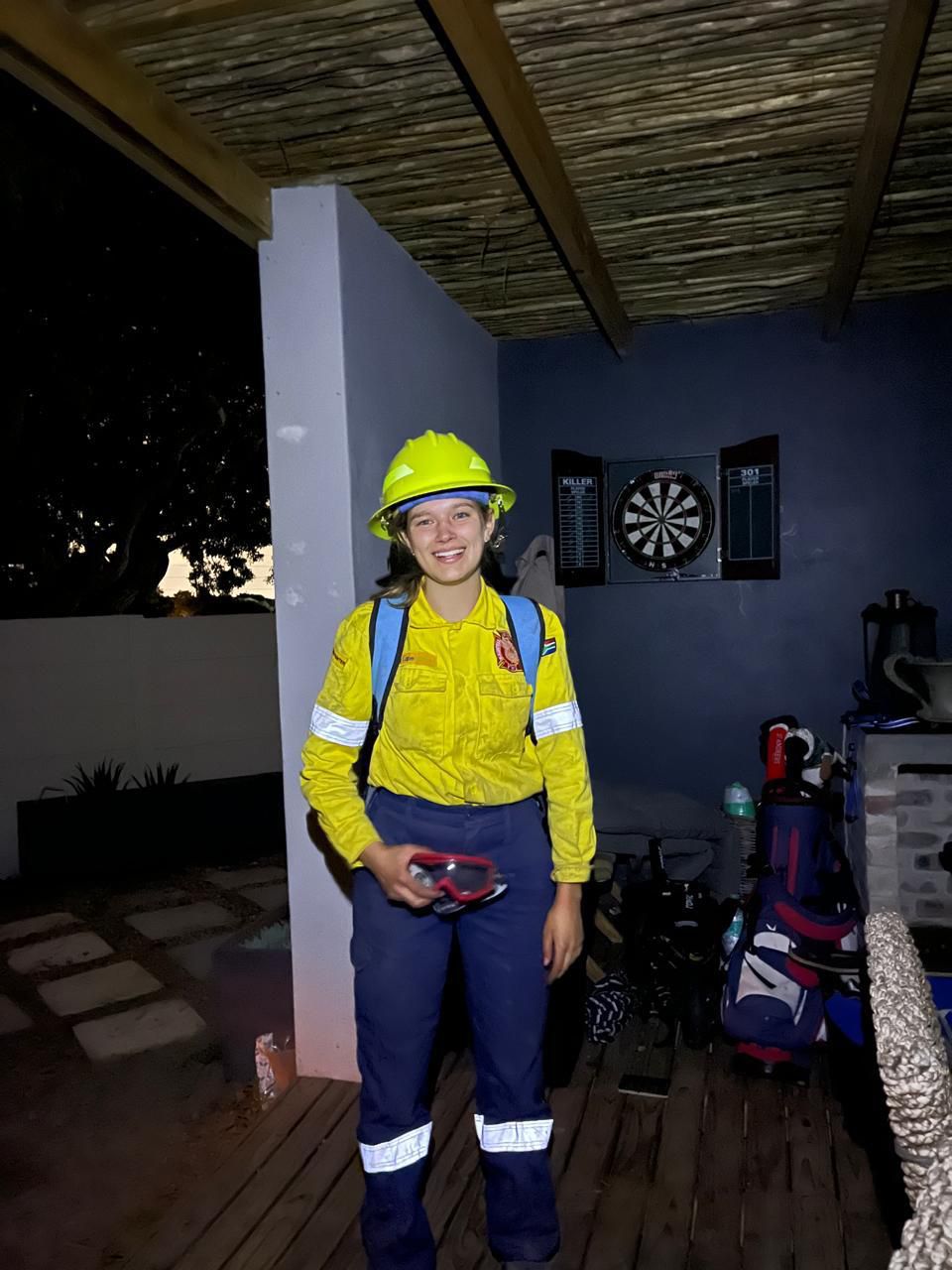
For Kate Cotterell, a third-year electrical and electronic engineering student, the interest began in Grade 7, when her teacher’s husband, a structural firefighter, visited her class. Years later, a friend at the Newlands VWS base shared stories of deployments that sealed her decision. While balancing the academic calendar with unpredictable wildfires has been a challenge, it’s one she has no regrets about.
“My first fire was an experience I will never forget,” she says. “It’s so rewarding. I now have a much bigger appreciation for all firefighters, and everyone involved, knowing now how strenuous their job is.”
The work of VWS extends well beyond the fireground. Behind every crew scrambling up a mountain is an army of logistics coordinators, dispatchers, drivers and crew leaders keeping things ticking at base. Without them, frontline firefighters wouldn’t know where to go or have the gear to get there.
“There is a place for everyone,” Proctor says, encouraging others to join the VWS. “You’re a student for a very short time of your life. Now is when you’re supposed to make the most of your energy and strength. What better way to make a positive difference than to become a volunteer firefighter?”
Volunteers that join don’t earn money, which makes them even greater heroes.
VWS runs on donations – fuel, equipment, vehicles – and the generosity of the community is what keeps the wheels turning and the hoses connected.
 by
by