


Their stories are different, their journeys unique… but Kaitlin and Lihle are both holding on for the same miracle: a matching stem cell donor.
Johannesburg, South Africa (20 April 2026) – At 25, Kaitlin should be building her independence. At 18, Lihle should be thinking about exams, friends and the next chapter. Instead, both are in a fight they never chose… holding on, hoping and waiting for something incredibly powerful to come from someone they may never meet.
That “something” is already out there. It lives in the kindness of strangers. And across South Africa, there are thousands of people who have already stepped forward, registered and said yes to being that lifeline.
At 25, Kaitlin should be living independently. At 18, Lihle should be finishing school. Instead, both are fighting for their lives against aplastic anaemia (AA), a rare blood disease that leaves patients vulnerable to infections, uncontrolled bleeding, and severe anaemia.
A stem cell transplant gives approximately 80% of patients a real chance at recovery, but for around 70% of those patients, that match will not come from within their family. It will come from a generous stranger.
“AA strikes hardest between 15 and 25 – the years nobody expects to spend fighting for their life,” says Palesa Mokomele, Head of Community Engagement and Communication at DKMS Africa.
“We want South Africans to understand that registering as a stem cell donor is a simple act that could give someone like Kaitlin or Lihle their life back. Every person who registers increases their chances of finding a match.”
Kaitlin’s journey has been long, frustrating and filled with more questions than answers. For years, she knew something was wrong. The bleeding wouldn’t stop, the fatigue became overwhelming and yet every visit to the hospital seemed to end the same way… with no real explanation. It was only in August 2025, when her condition worsened dramatically and the bleeding refused to respond to treatment, that she was finally referred to a specialist. A bone marrow biopsy revealed what had been missed for so long: aplastic anaemia. Before this, she was working full-time and living independently. Today, everything looks different. She cannot work. Even basic daily tasks feel out of reach. Weekly blood transfusions have become part of her routine, not as a solution, but simply to keep her going. Medication has not worked, and her doctors have been clear about what comes next. A stem cell transplant is her only path forward.
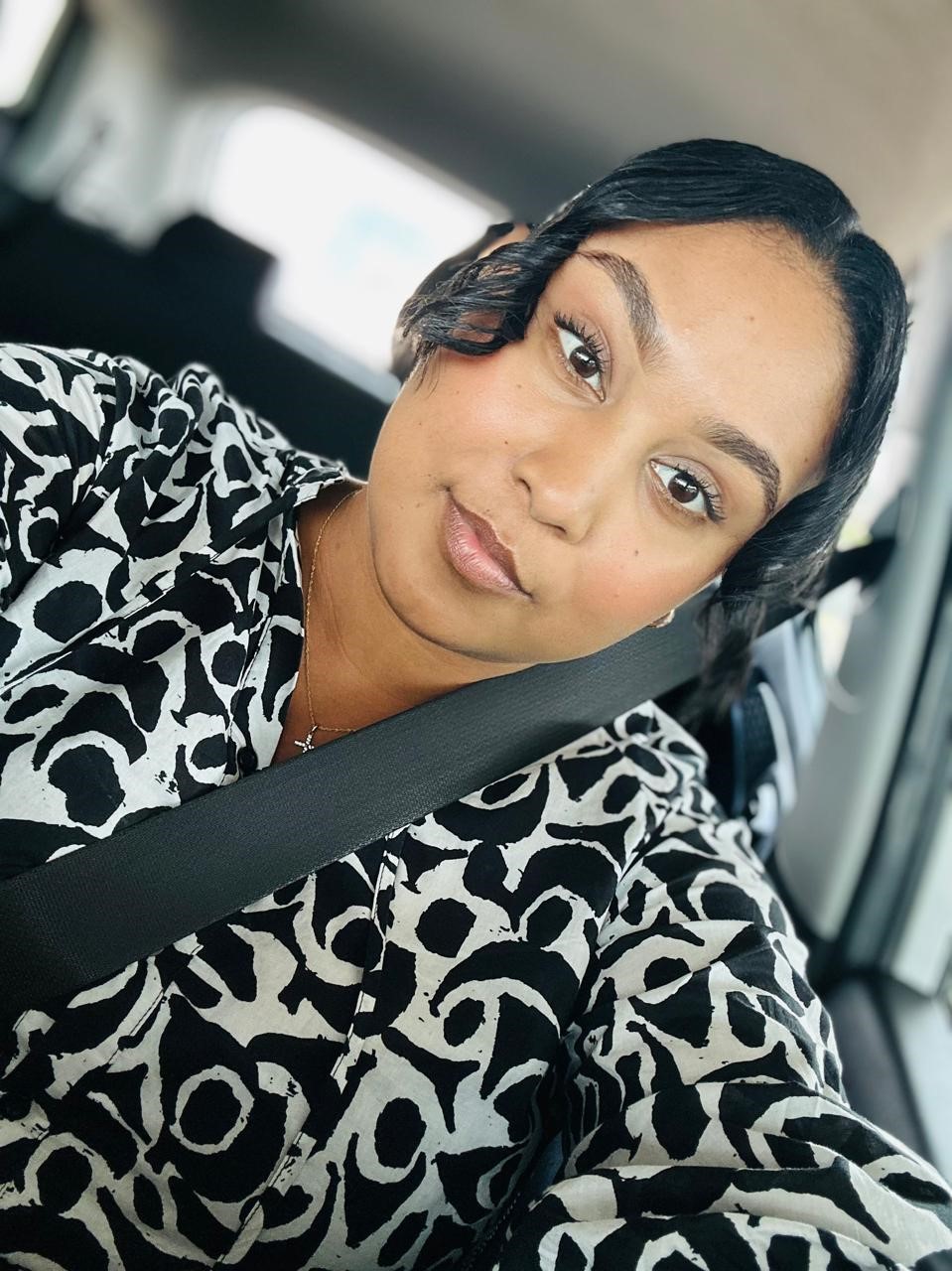
And still, she holds on to what matters most.
“I draw strength from my faith and from the people I love most – my nephews and siblings, who show up for me even on the hardest hospital days. I just want my life back, and a matching donor could make that possible.”
Lihle’s story changed in an instant. At just 14 years old, what started as severe nosebleeds in November 2021 quickly became something far more serious. One night, the bleeding became uncontrollable and he lost consciousness. After two months in hospital, his family finally had answers: Severe Aplastic Anaemia. That same year, he lost his father. As the eldest of four, Lihle has always carried a sense of responsibility far beyond his years. Growing up between Butterworth in the Eastern Cape and Carletonville in Gauteng, he became someone his siblings could look up to… even as he faced his own battle. His mother now carries the weight of holding the family together while watching her son fight for his life.
And yet, even in all of this, Lihle is dreaming forward.
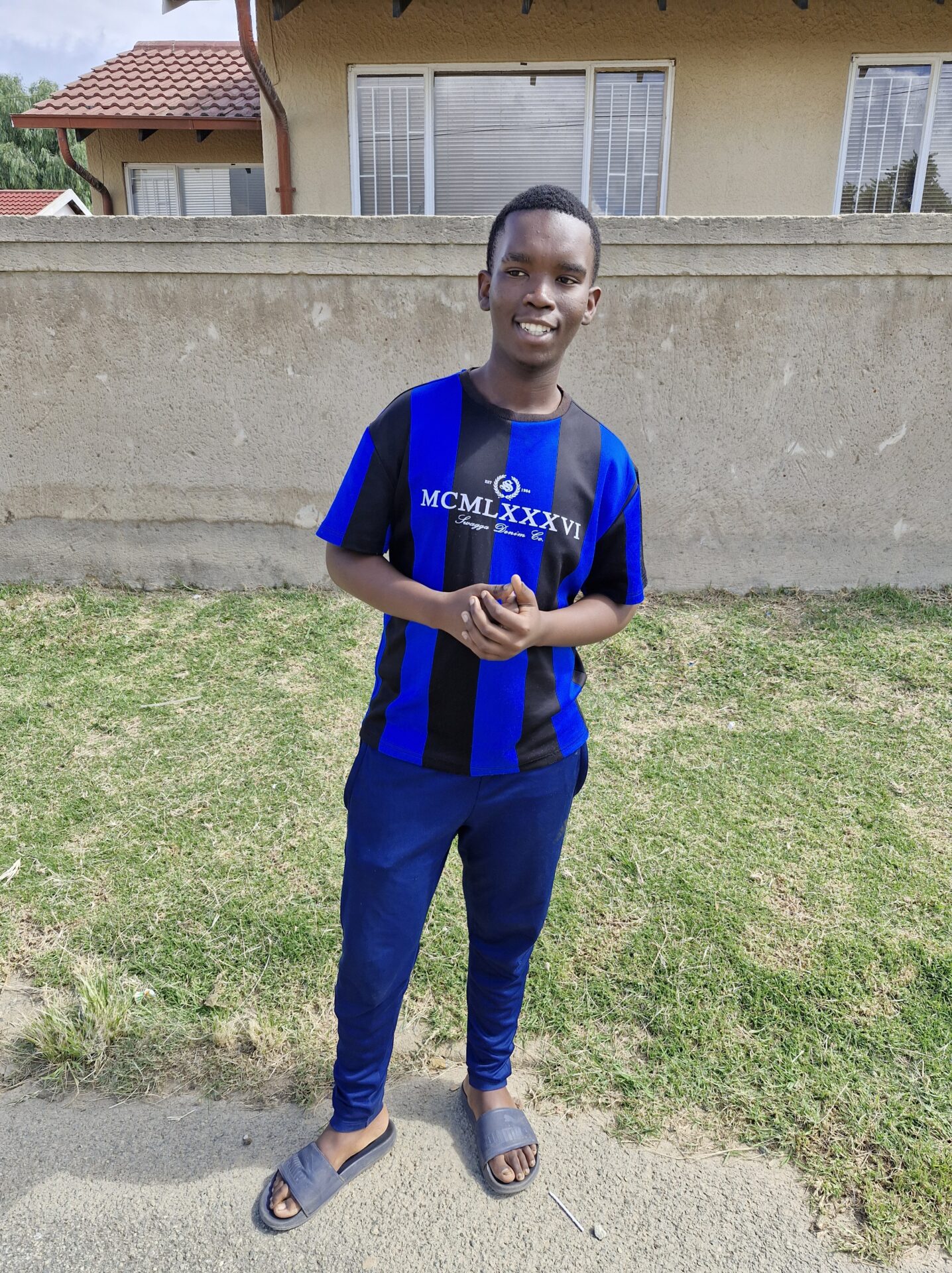
He wants to finish school. He wants to set an example. He wants to get back onto the football pitch. And like Kaitlin, everything he hopes for is tied to one thing: finding a matching donor.
“No family should have to face what Kaitlin’s and Lihle’s are going through – knowing that a cure exists, but that the donor hasn’t been found yet. For patients from Black, Coloured and Indian/Asian backgrounds, that search is even harder, because the registry does not yet reflect the diversity of our population. We are calling on all South Africans to register. It costs nothing. It takes minutes. And it could mean everything,” concludes Mokomele.
While Kaitlin and Lihle are waiting, South Africa is not standing still. Every single day, more people are choosing to register. More people are learning that becoming a stem cell donor is not something to fear but something to be proud of. It is a small act, a few minutes of your time, that could rewrite someone else’s entire future.
Kindness, in this case, is not abstract. It is tangible. It is scientific. It is deeply human. And it is already happening.
 by
by 