A South African professor’s award-winning research in nuclear medicine could change how aggressive breast cancer is diagnosed and treated.
South Africa (10 July 2026) – A South African professor has received a R3 million grant to help advance a new approach that could change how aggressive breast cancer is diagnosed and treated.
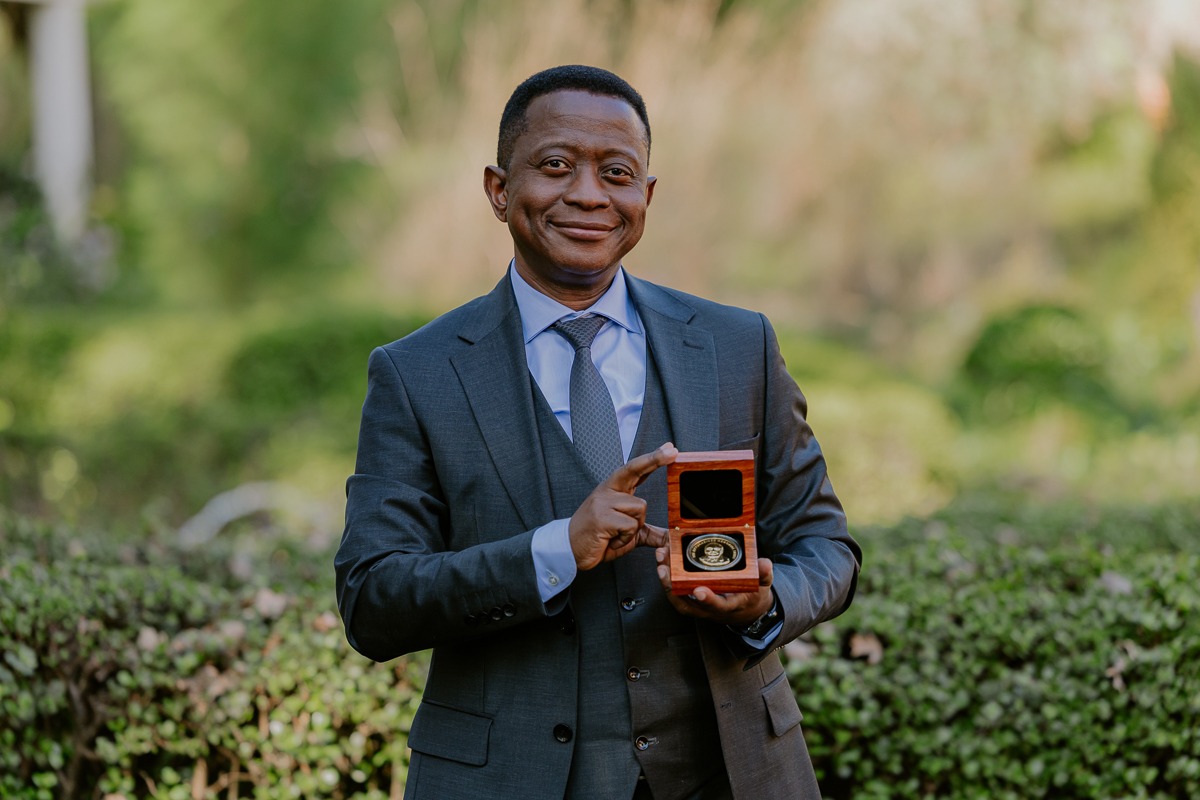
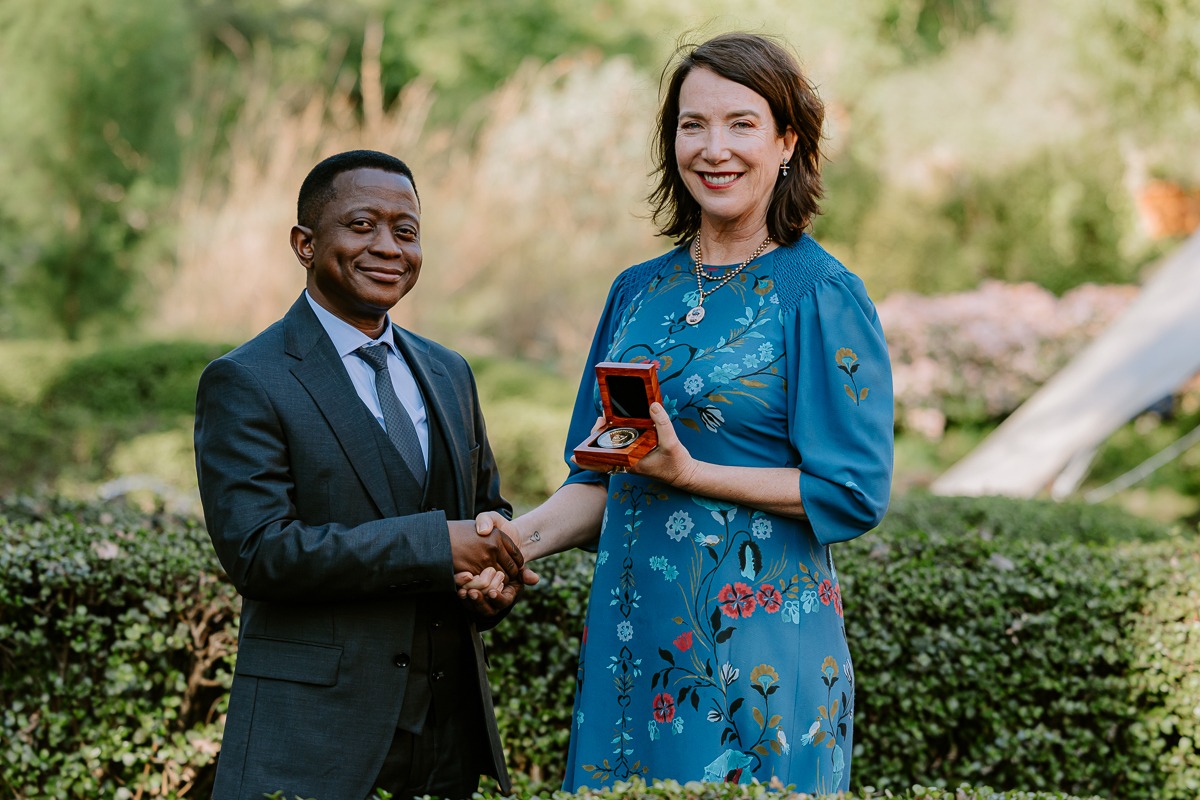
Professor Mike Sathekge, head of the Department of Nuclear Medicine at the University of Pretoria and Steve Biko Academic Hospital, has been awarded the 2025 Harry Oppenheimer Fellowship Award from the Oppenheimer Memorial Trust.
The funding will help him continue research into a field known as theranostics, with the goal of making the technology more widely available.
Breast cancer remains the most common cancer affecting women in South Africa and around the world. One of the biggest challenges is that many people are only diagnosed once the disease has already spread, making treatment more difficult.
Theranostics aims to change that by combining diagnosis and treatment into one personalised approach.
“Theranostics, brings diagnosis and treatment together, is a combination of early diagnosis with treatment that is personalised and precise down to mere cells, which allows us to exactly detect and assess tumours, devise specific treatment regimens and assessment of treatment response over time,” says Sathekge.
In simple terms, the technology helps doctors see exactly where cancer is in the body, understand how it is behaving and choose treatments that are better suited to each individual patient. It can also help doctors track how well treatment is working over time.
“The earlier the breast cancer is detected, the more accurately it is assessed and the more precise the treatment, the exponentially better the patient’s prognosis.” Sathekge explains.
This progress has become increasingly important in South Africa. A recent study published in the South African Medical Journal found that around two-thirds of patients in the public healthcare system are only diagnosed after their cancer has already reached an advanced stage and spread to other parts of the body.
Related Stories
 Saturday Good News Wrap Up: A Million Acts of Kindness and So Much to Celebrate!
 Cape Town Kayakers Rescue Starving African Penguin Far Out to Sea
One of the most exciting parts of the research focuses on a protein called Trop2, which is found in high levels in many aggressive breast cancers, as well as some cervical, pancreatic and lung cancers.
Professor Sathekge and his collaborators are looking at a new approach that uses tiny engineered proteins called nanobodies. These are much smaller than traditional antibodies and are designed to attach themselves specifically to Trop2.
Once attached, doctors can use advanced PET/CT imaging to see exactly where Trop2-positive cancer cells are throughout the body, even in areas that would be difficult to reach with repeated biopsies.
If the scans show enough Trop2, the same targeting method could then be used to deliver treatment directly to those cancer cells using a radioactive isotope called actinium-225. The aim is to concentrate treatment on the cancer while limiting damage to healthy surrounding tissue.
Instead of relying on information from a single biopsy, doctors could eventually have a much clearer picture of a patient’s entire cancer, allowing them to make more informed treatment decisions.
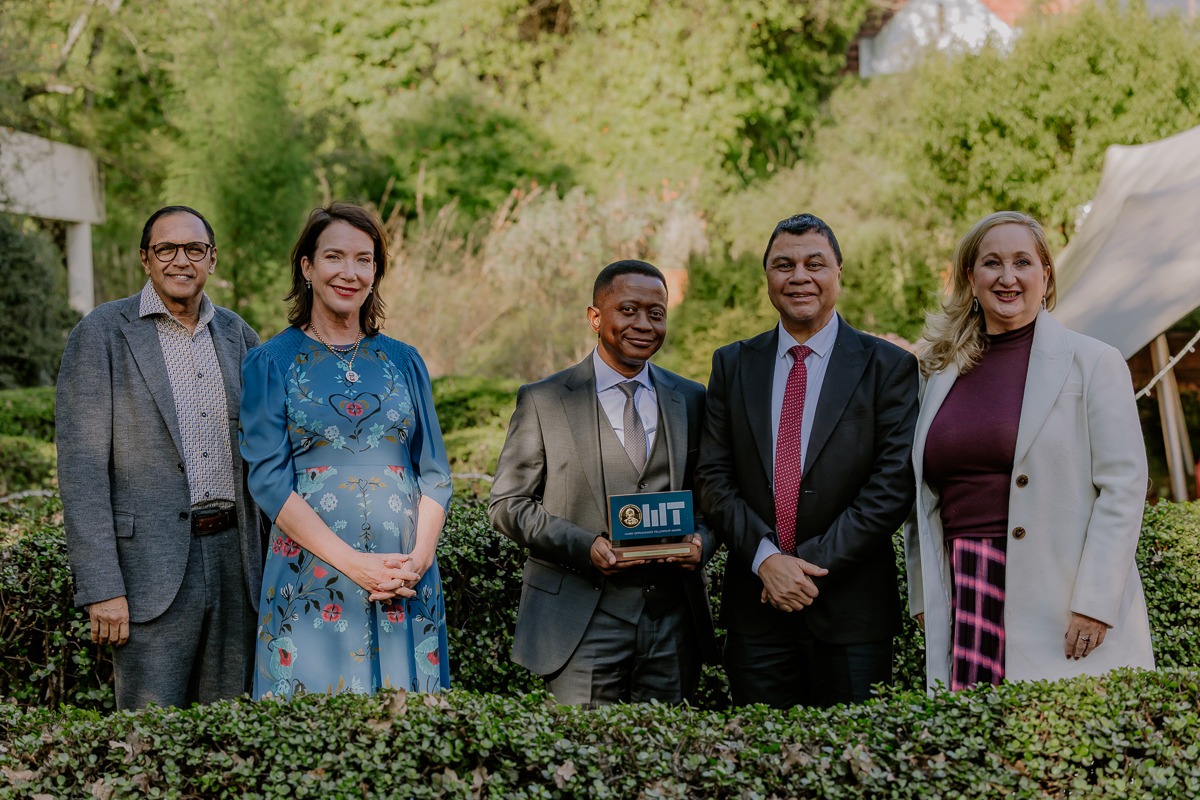
The project is a collaboration between researchers at the University of Pretoria, NuMeRI, Steve Biko Academic Hospital, Professor Frederik Cleeren and his team at KU Leuven in Belgium and the Joint Research Centre in Germany.
Professor Sathekge’s proposal was selected from 80 nominations spanning a wide range of scientific fields.
Rebecca Oppenheimer, chairperson of the Oppenheimer Memorial Trust, said the project stood out because of the impact it could have on healthcare.
“There were so many excellent applicants for this year’s award, touching on vital issues impacting the world we live in, and worthy of further research and development.
“This made our selection panel’s final decision all the more challenging, but I believe we have made an exciting choice that will have far-reaching, positive ramifications for South Africa’s public healthcare system and the people who use it.
“In developing a technology that makes diagnosing and treating cancers more effective, affordable and available, Prof. Sathekge and his colleagues hold in their hands the potential for a quantum leap forward in improving South African patients’ health outcomes and human dignity, as well as for beating breast cancer globally. OMT is proud to support his endeavours.”
The University of Pretoria’s Vice-Chancellor and Principal, Professor Francis Petersen, said the research highlights South Africa’s growing contribution to global cancer research.
“South Africa urgently needs better ways to detect, understand and treat aggressive breast cancer. Too many patients still present late, when the disease is more difficult to manage and treatment options are limited.
“Prof Sathekge’s work at NuMeRI brings together advanced imaging, radiopharmaceutical science and targeted treatment in a way that could help doctors make more informed, patient-specific decisions. The research aims to improve how cancer is identified, how treatment is selected and how response is monitored over time.
“It also demonstrates the depth of scientific talent, innovation and academic rigour in South Africa. Through work of this calibre, African researchers are not only responding to local health challenges, but helping to shape the global future of cancer care. We look forward to seeing this research strengthen South African capacity and contribute to better outcomes for patients here and internationally.”

Professor Sathekge says the biggest motivation is the people behind every diagnosis.
“Our goal is not simply to find cancer earlier. It is to understand each patient’s cancer better, select treatment more intelligently, and reduce the uncertainty that patients face when standard treatment no longer works,” he says.
“This award supports a South African-led effort to see the biology of aggressive breast cancer more clearly, select patients more accurately and lay the foundation for targeted treatment.”
 by
by