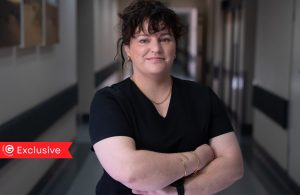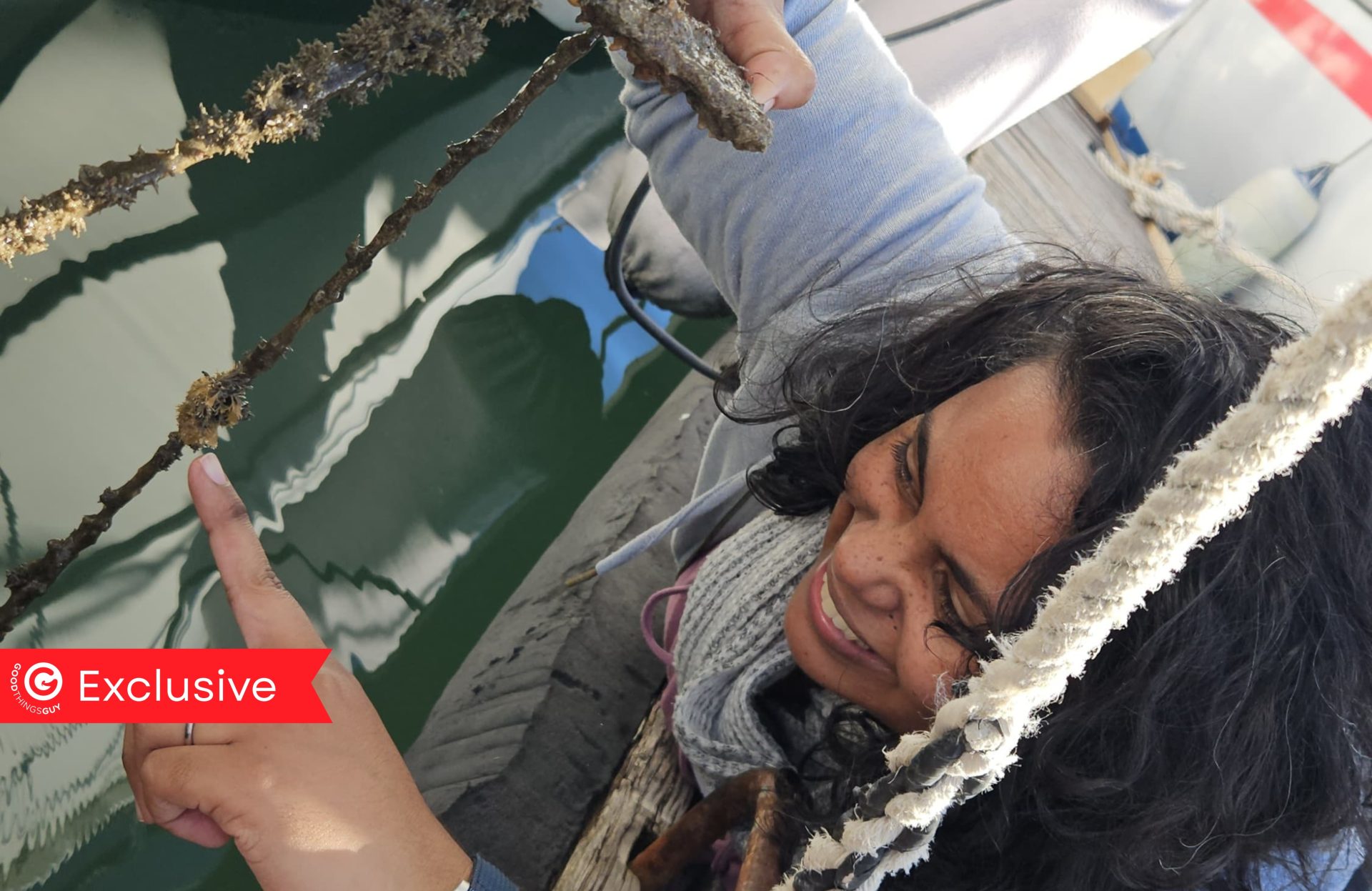
As the only South African selected for the inaugural International Explorers Festival by the National Geographic Society in 2025, Dr Melissa Kay Boonzaaier-Davids shares how studying tiny marine species could shape the future of ocean conservation.
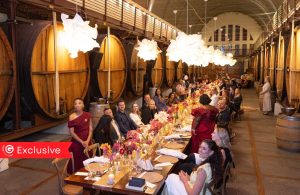
South Africa (05 November 2026) – Late last year, Johannesburg played host to a landmark moment when the National Geographic Society brought its first International Explorers Festival to African soil. The week-long gathering welcomed Explorers from more than 15 countries across the continent, bringing together scientists, storytellers, educators and innovators whose work reflects the richness and complexity of Africa’s natural and cultural landscapes. It was here that we got to meet the inspiring Dr Melissa Kay Boonzaaier-Davids, the sole South African explorer at the inaugural event in 2025. Now, the event heads to Cape Town for its 2026 edition.
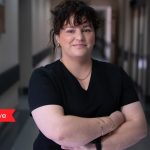
Dr Melissa is a South African marine ecologist and specialist taxonomist. She studied Biodiversity and Ecology at Stellenbosch University, where she also completed her Honours in Zoology, followed by a Master’s in Zoology at Nelson Mandela University and a PhD in Biodiversity and Conservation Biology at the University of the Western Cape.
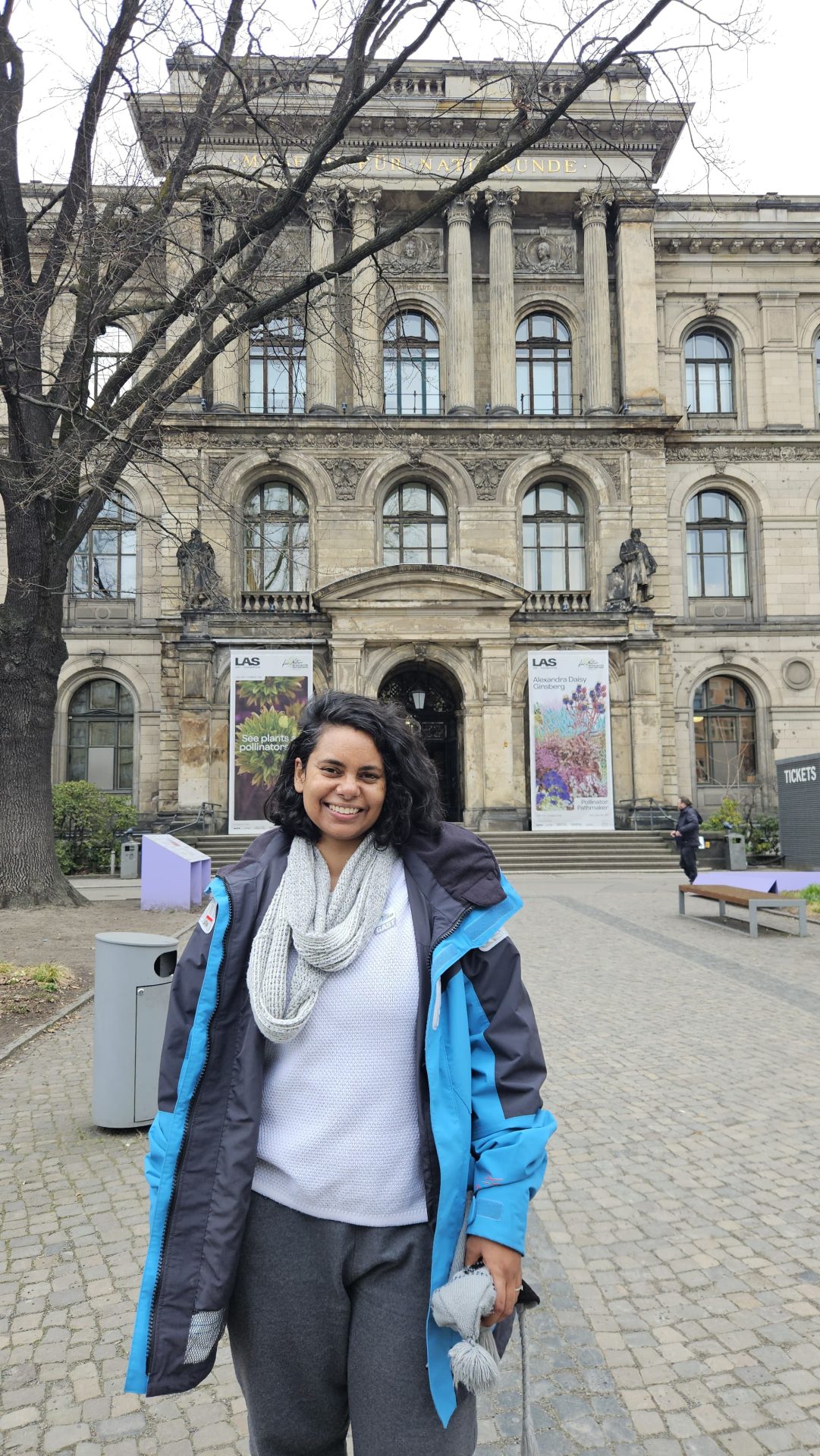
Her work has led to the discovery of new marine moss animal species and has been instrumental in identifying significant biodiversity knowledge gaps along South Africa’s coastline, particularly in lesser-studied marine invertebrate groups, such as moss animals (also known as bryozoans). Beyond her research credentials, she is a recognised science communicator with more than a decade of active involvement in public science engagement and educational outreach, with a strong focus on inspiring youth from disadvantaged communities.
The Festival culminated in an Evening of Exploration, where some of the region’s most compelling voices shared personal reflections on their work, offering a powerful reminder of the curiosity, resilience and purpose driving African-led research and storytelling. Dr Melissa shared her story, and I was captivated. With only a few minutes to wow us, I felt the moment needed further unpacking.
Being honoured as a Spotlight Speaker at the event was huge, but finding out that she was the only South African selected was even bigger!
“When I was first invited as a Spotlight Speaker, I expected to be alongside fellow South African science communicators and researchers. It was only during introductions on the first day of the workshop that I realised I was the only South African participant for this year. The very first thing I did was let my partner and parents know during a phone call on our first break. The moment made me feel incredibly honoured and elated, like a dream come true.”
“From dreaming of becoming a marine biologist at a young age to coming full circle and sharing the work I am passionate about on an international platform has been an incredible experience. Having grown up in a family that endured the Apartheid era with limited opportunities, this moment shows just how far those dreams have carried me. It has also reinforced my commitment to sharing my love for marine science, particularly with marginalised communities.”
We sat down to discuss how Dr Melissa found her passion and what she is doing for South Africa’s marine life.
“Growing up, some of my fondest memories are family trips to the beach, exploring tidal pools and discovering the life hidden within them. The first marine book my parents gave me, Walvisse en Dolfyne (“Whales and Dolphins”) by Terence Wise (1980), shaped my earliest marine interests, drawing me to the large and charismatic whales and dolphins. Later, I was privileged to assist in whale and dolphin research, bringing those early inspirations full circle.”
Related Stories
“This fascination later expanded to mythical deep-sea creatures such as the Kraken, sparking a broader curiosity about the mysteries of the ocean depths. This interest shaped my early university studies, driven by a dream of discovering the giant squid Architeuthis dux (Steenstrup) alive and in its natural habitat – a milestone eventually achieved by Japanese scientists in 2005. Although initially disappointing, this only deepened my appreciation for the diversity of marine life.”
 Profmed Brings South African Heroes Like Tharien Schoeman, Into Focus
 In photos: South Africans Vote to Shape the Future of Their Municipalities!
While the larger sea creatures may have been discovered, Dr Melissa became fascinated by the tiny creatures. She had initially focused on marine invasive species and sea turtles, but it was exposure to bait worms that drove her passion to explore the smaller creatures of the sea.
“My fascination with tiny marine creatures truly took hold upon completing my Master’s on sea turtles, during my 2011 internship, where I worked with polychaete (bait) worms, and later evolved into a lasting passion and interest for bryozoans along the South African coast. I continue to be fascinated by the Kraken, the legendary giant octopus of sailors’ lore dating back to the 1600s. It brings to mind early seafarers on long ocean journeys, trying to understand unfamiliar and rare marine creatures, where imagination often filled the gaps left by their little knowledge and how much our understanding of ocean biodiversity has since advanced.”
This need for knowledge and understanding has led Dr Melissa to focus on marine life that is somewhat overlooked. These small creatures are scientifically important, often helping us understand changes in the ocean long before larger species are impacted.
“I had noticed that my interests were increasingly drawn to lesser-studied organisms. This led me to the Iziko South African Museum, where Dr Wayne Florence, then Curator of Marine Invertebrates, approached me about researching bryozoans—organisms I had never heard of before. That introduction sparked my interest in the group and ultimately led me to focus on bryozoans becoming the focus of my doctoral studies in taxonomy and biogeography.”
“I have remained involved with Iziko since 2012 and now serve as an Honorary Research Associate with Iziko Museums of South Africa, alongside my new role as CEO and Principal Consultant of Habitats to Heritage Research & Consulting, an independent research and consulting venture dedicated to connecting biodiversity research with heritage and conservation. I also serve as a Board Member of the Cape Winelands Biosphere Reserve, with numerous projects in the pipeline.”
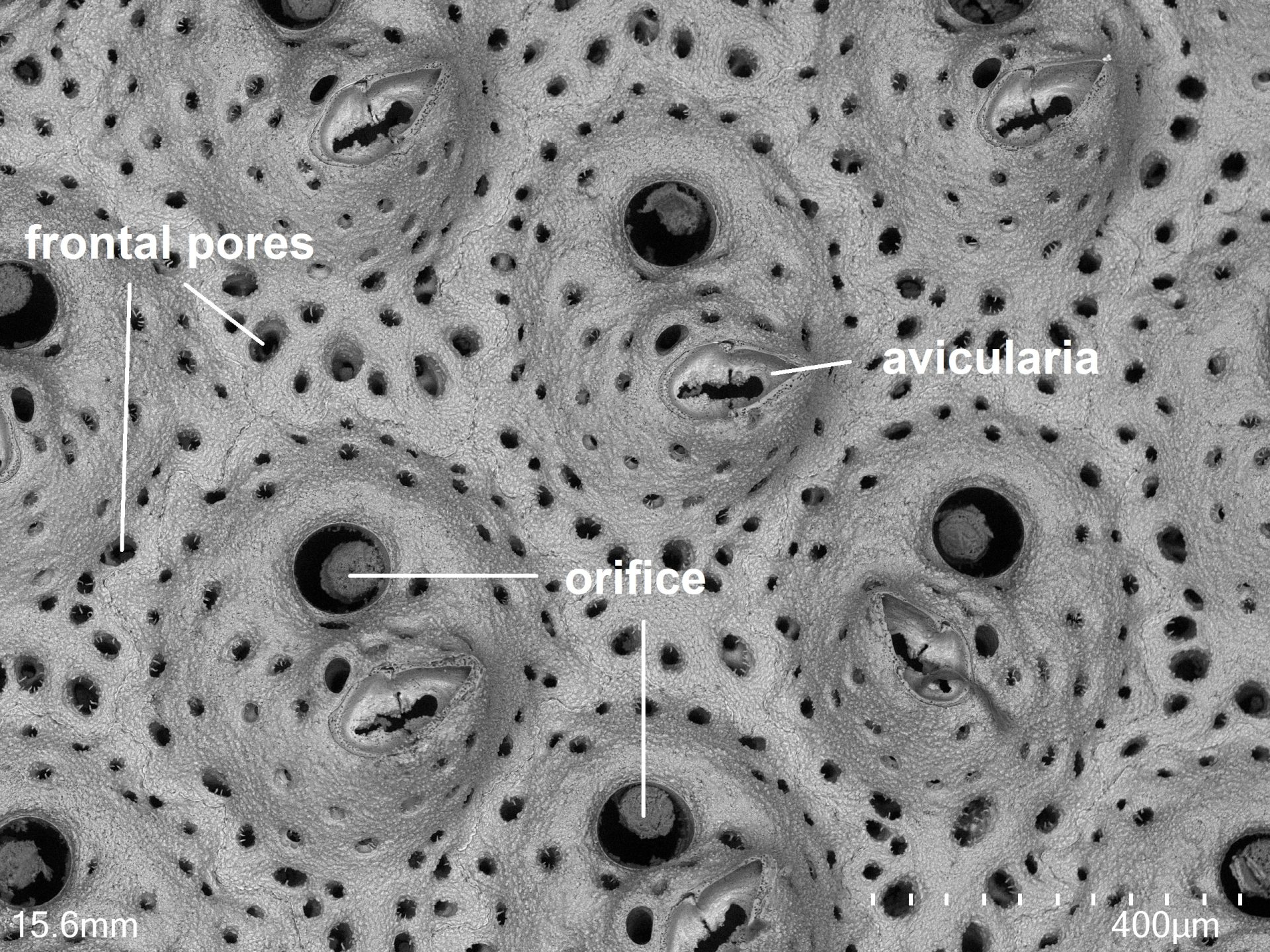
“Bryozoans are tiny colonial invertebrates that play important roles in marine ecosystems. Many bryozoan species act as ecosystem engineers, forming complex three-dimensional structures that provide habitat and food for other organisms, while their filter-feeding contributes to maintaining water quality. Bryozoans are also sensitive environmental indicators, responding rapidly to changes such as warming and pollution, and some produce bioactive compounds, such as bryostatin, with promising applications in cancer and Alzheimer’s research. However, in South Africa, this group remains one of the poorly studied marine invertebrate taxa, with significant gaps still existing in our knowledge.”
“Alongside this focus, my current work centres on wild abalone populations, collections-based taxonomic research, and the application of genetic barcoding techniques on marine invertebrates. Working across such a diversity of taxa has highlighted how marine invertebrates collectively underpin ocean health—structuring habitats, driving nutrient cycling, and supporting higher trophic levels—and it is this interconnectedness and foundational role of invertebrate life that continues to fascinate and motivate my research.”
In this line of work, new discoveries are a big accomplishment. Dr Melissa is one of the scientists who can celebrate a new discovery. We asked what the moment felt like once she realised she was looking at something that had never been recorded before.
“The moment of realisation is incredibly exciting and usually comes slowly rather than all at once — when microscopic features don’t quite match anything described in the literature, even after repeated checks.
One of the most recent discoveries, namely Chaperia atypica published in Boonzaaier-Davids et al., involved species found living on the invasive Mediterranean mussel (Mytilus galloprovincialis, Lamarck) in South Africa. Given how cryptic these organisms are and the fact that there are very few trained bryozoologists in the country, it’s likely that many of these species were overlooked rather than recently introduced.”
Working with these poorly studied groups has driven Dr Melissa to share the biodiversity that lives along our coastlines. Closing the gaps in South Africa’s marine diversity knowledge is essential in protecting these spaces.
“This is reinforced by the hundreds of unstudied specimens sitting in natural history collections — true hidden treasures. Even species described previously, but rarely recorded since their original description, can yield new insights into their distribution. For example, Adeonella guttata, Hayward, previously known from shallower depths, has now been recorded in False Bay at approximately 40 m depth (O. Mabalabala, pers. comm.), based on ongoing research by my current student. Such findings highlight how much remains to be learned about bryozoan diversity and ecology in South Africa, which is likely vastly underestimated, and that’s where my passion lies. There’s a saying in conservation biology: “We can’t protect what we don’t know.” Closing these knowledge gaps is essential.”
And when it came to naming new discoveries, Dr Melissa wanted to honour local heritage and language.
“Naming new species is also deeply meaningful. While certain conventions still apply, scientists increasingly draw on indigenous languages to reflect local heritage. For example, Adeonella assegai Boonzaaier-Davids et al. is named for its spear-like colony shape, referencing the isiZulu/Nguni assegai, while Reteporella ilala Boonzaaier-Davids et al. is named for its colony-shape resembling a traditional ilala palm basket.”
“I have also honoured my father and grandmother by naming species after them—Trypostega richardi Boonzaaier-Davids et al. and Khulisa carolinae Boonzaaier-Davids et al. These names recognise my family’s dedication to education as teachers and principals, as well as the sacrifices they made to secure a better future for the generations that followed, including my own.”
While new discoveries are a celebration, the reality is that biodiversity loss is happening at a rapid rate, and, beyond that, the people who study these species are just as endangered. Speaking to this, Dr Melissa shares the stark realities of not having experts in marine taxonomy and her own hopes for inspiring the next generation.
“In addition to the loss of species we monitor, we are also losing countless organisms that we have never even documented, because the expertise and workforce needed to discover and catalogue biodiversity are dwindling.
In fact, marine taxonomists themselves are becoming an increasingly scarce resource, with too few dedicated positions and ongoing funding shortages. While there are some opportunities to train the next generation, retaining trained taxonomists in the field remains a significant challenge, with limited long-term career opportunities.
This is not a new concern, but it remains an urgent one. This was highlighted in the South African context by Daily Maverick (2023): “SA scientists concerned as marine taxonomists become an increasingly endangered species”.
Despite these worrying trends, there are reasons for hope. There are many initiatives underway across South Africa that are contributing to biodiversity monitoring, research, conservation and science education, particularly in the marine realm. Marine Protected Areas (MPAs), for example, now cover roughly 5 % of South African waters, up from a tiny fraction a decade ago, reflecting a major step toward safeguarding ocean biodiversity and habitat types along our coast (Marine Protected Areas South Africa).”
“However, these initiatives need continued support and prioritisation. If we are serious about understanding and conserving our biodiversity, we also need to invest in the people who generate and maintain this knowledge—through research, training and sustainable career opportunities.”
Where scientists are missing, community science can step in. Having people share their sightings and findings, and getting universities involved, adds up to useful information and inspiration to keep learning.
“Trends I am hopeful for include community-driven biodiversity monitoring, alongside advances in data collection and collaboration across institutions. These approaches are helping to fill knowledge gaps, strengthen our understanding of biodiversity, and build capacity for future research and environmental stewardship.”
For Dr Melissa, getting hands-on with the next generation is just as important as her scientific work. In 2010, she won a national science communication competition for her work on sea turtles, and it motivated her to make science accessible beyond academic spaces.
When she was growing up, she knew she wanted to do a job that involved the ocean, but it wasn’t until Grade 8 that she realised that dream had a name: Marine Biology.
“Although my family valued education and many of them worked as teachers at various points in their lives, Apartheid-era restrictions limited the professions they could pursue and the career pathways they were exposed to. So, while I grew up understanding the value of education, no one really knew at the time how to guide me towards a career in Science Technology, Engineering and Mathematics (STEM) because those possibilities had not been part of their own experience.”
Giving the youth of today the opportunity to understand what their interests and passions can lead to is a big part of sharing her knowledge within her community. Having grown up towards the end of the Apartheid era, Dr Melissa knows only too well how the restrictive regime limited growth. Her hope is to empower the next generation to dream big, to apply themselves and to hopefully fill the gap that South Africa currently faces.
“Looking back now, after two decades in science, I often reflect on how limited exposure to STEM careers shaped entire generations, particularly during Apartheid, when very few non-white students were able to enter these fields. Although Apartheid ended when I was about seven years old, and I will never fully understand what it was like to live through that era, I recognise that the opportunities I have had were made possible by the sacrifices of those who came before me.”
“Many of the people of colour I have met throughout my studies and career carry their own stories of limitation and resilience, shaped by the circumstances of that time. Among them is my husband, Dr Vernon Davids, whom I met during our doctoral studies. His journey, and that of others who have influenced my own, reminds me of the importance of creating opportunities for people from diverse backgrounds to pursue careers in science. Today, seeing him as an expert in his field continues to inspire me and makes me proud of the progress we have made.”
Dr Melissa’s story is one of perseverance, hard work and opportunity. Something she hopes will inspire young people.
“That reflection is what keeps me showing up. I want young people to see someone who looks and sounds like them—a coloured, Afrikaans-speaking woman—thriving in science and passionate about marine biology. Working in STEM can be challenging, but it is also incredibly rewarding, and that continues to motivate my commitment to youth-focused outreach.”
And it’s in youth outreach that the most meaningful change comes. Breaking cycles by inspiring dreams, by serving as a role model and being the guide a young mind needs to flourish. I ended our interview with a simple question: “What moment did you realise you were helping spark someone else’s love of science?”
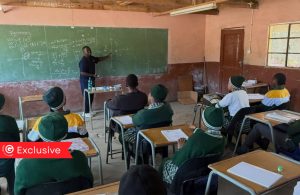
“I’ve conceptualised and collaborated on many outreach initiatives, but a few moments truly stand out. One was working with a shy high school learner who job-shadowed me for a day. As the hours passed, her confidence and curiosity visibly grew, and by the end of the day there was a real spark in her eyes—especially seeing the many pathways into science and marine biology.”
“Another unforgettable moment was during an outreach programme in Gordon’s Bay with CWBR, where most of the children from the community were seeing the sea for the very first time. Many were hesitant at first, but by the end of the session they were eagerly collecting tiny washed-up specimens and examining them under a field microscope. Watching that shift—from uncertainty to wonder—was incredibly rewarding and reaffirmed why this work matters so much to me.”
These moments, however small they may seem, spark curiosity, and it’s just one spark that can turn into a burning passion to save marine life, to study the ocean’s biodiversity and to take action to change that could save an endangered species.
Dr Melissa ends with one thing she hopes every South African learner will know going forward.
“If I could tell every South African learner one thing about the ocean, it would be that while we often hear about the charismatic creatures of the sea, like whales and dolphins, it is the tiny, unsung species that also play a crucial collective role in maintaining the health of our oceans. Every organism, big or small, matters in the ecosystem, and we all have a role to play in protecting our oceans and reducing the pressures we place on our planet.”
So while the hope is that every child dreams big, looking for the little things and making small changes is the best place to start. The South Africa that Dr Melissa knows today is one filled with potential. Seeing her story up on big stages could very well be the spark that starts it all!
 by