Tourism has always promised opportunity, but for many small, community-based food businesses, that promise has felt just out of reach… until now.
Western Cape, South Africa (03 January 2026) – South Africa is open for business… and for visitors. From coastal towns to city centres, peak tourism season is in full swing, with travellers arriving in their thousands every day, eager to explore, eat and experience what makes this country so special.
In Cape Town alone, an average of 35,000 visitors arrive daily over our summer holidays. But while tourism numbers surge, an uncomfortable truth remains: too many local, community-based food businesses are still standing on the sidelines of this economic opportunity. That is the challenge ‘Unexplored Cape Town‘ is actively working to change. And the ripple effects could reach far beyond one city.
Across South Africa, tourism has long been positioned as a growth engine for jobs and small business. Yet the benefits are uneven. Visitors are often funnelled towards polished, high-end experiences, while informal traders, heritage food spaces and small businesses struggle to gain visibility or access.
This disconnect is not unique to Cape Town; it mirrors patterns seen in cities and towns nationwide.
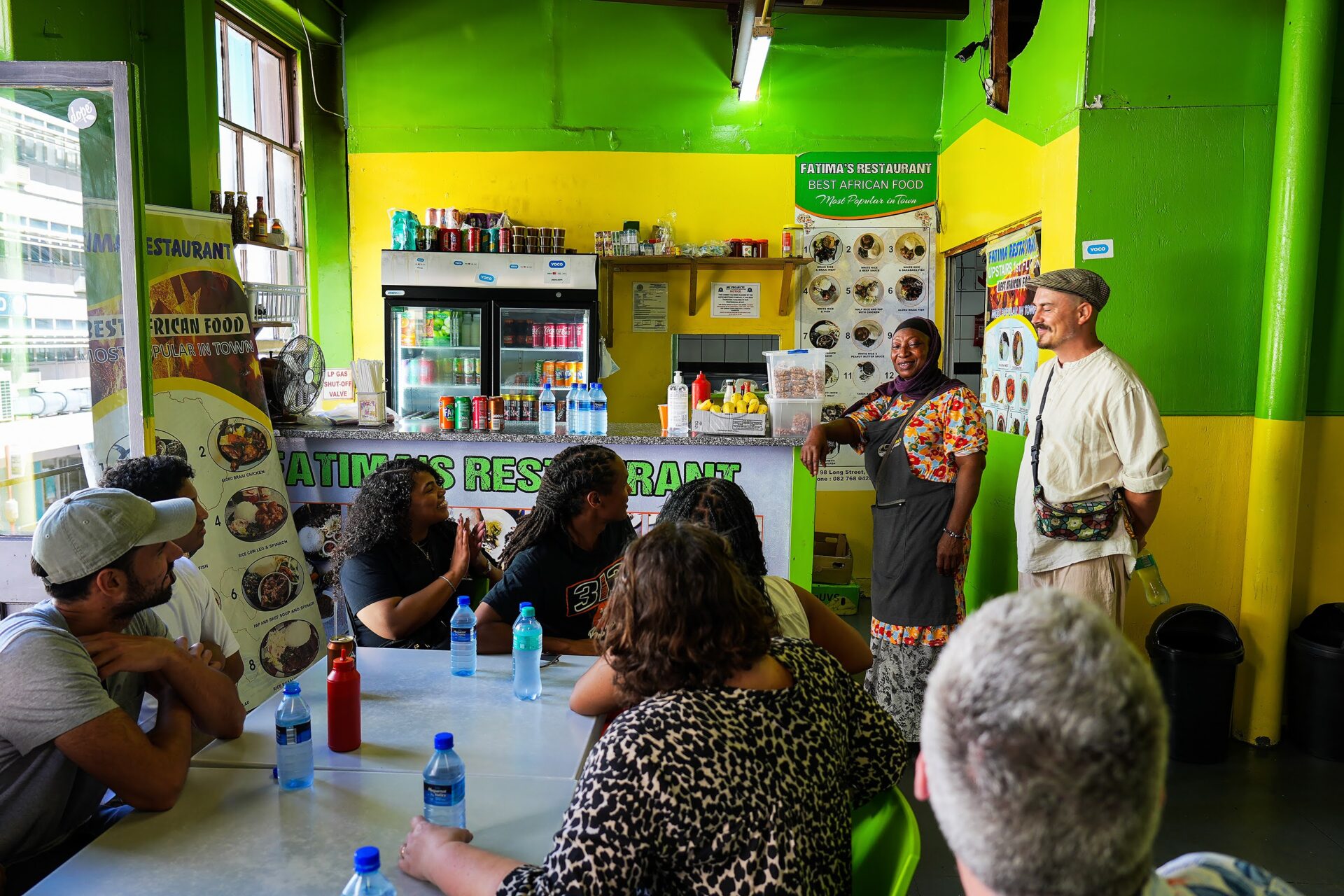
Unexplored Cape Town’s “Tourism 2.0” model is gaining traction because it tackles this issue head-on. It asks a simple but powerful question: what if tourism was designed to include, rather than exclude? What if growth was measured not only in visitor numbers, but in dignity, fairness and long-term opportunity for local entrepreneurs?
Food sits at the centre of that rethink. Today, around 80% of travellers research food before choosing a destination, making culinary culture one of South Africa’s most powerful and underutilised tourism assets. But as neighbourhoods gentrify and commercial pressures rise, many small food businesses are being pushed out or overlooked. Tourism 2.0 reframes tourism as a platform for inclusion, embedding fair revenue distribution, honest storytelling and long-term community partnerships into every experience. That thinking is now being recognised at provincial level, with national relevance. Late last year, Unexplored Cape Town was invited by the Western Cape Department of Economic Development and Tourism to present its Tourism 2.0 model at the #WCTGWorkshop2025, engaging more than 300 tourism-sector stakeholders. While the case study is Cape Town, the principles apply to destinations across South Africa… from township food tours to rural culinary routes and urban street-food hubs.
“Tourism 2.0 is a framework of immediate actions for travel operators who are serious about responsible travel,” says Dennis Molewa, founder of Unexplored Cape Town.
“We presented core principles that integrate desirable sustainability initiatives, from inclusive hiring and fair revenue distribution to ensuring heritage preservation and honest storytelling. This approach demands we move past the extractive nature of tourism towards long-term partnerships that includes local community food businesses and entrepreneurs.”
Crucially, the work is not only happening at policy level. Unexplored Cape Town has also partnered with the Hasso Plattner d-school Afrika at UCT, inviting the next generation of designers, entrepreneurs and problem-solvers to rethink how tourism works on the ground. During Design Thinking Week, students were challenged to redesign food tourism in ways that are more inclusive for marginalised businesses and more meaningful for both locals and visitors.
Related Stories
 Cape Town's Pink Lady Ranks in 50 Best Hotels for 2026!
 Africa’s Golf Boom is Becoming a Tourism and Investment Play
More than 49 multidisciplinary students immersed themselves in the inner city, visiting Somali, Senegalese and diaspora-owned food spaces. They listened to business owners, explored lived realities and uncovered the barriers that so many small enterprises face, access to markets, digital tools, visibility and capital. Their early concepts ranged from QR-based discovery tools and onboarding systems for informal kitchens, to ideas for heritage-food markets and collaborative food ventures.
“If I learned one thing about design thinking, it’s that there is never just one problem, and never just one solution,” Molewa shares. “The challenge unlocked a process to explore different solutions, which will ultimately help us chart a multidimensional path forward where culture, economy, identity, and community intersect.”
Those ideas are now feeding into the African Food Business Fund, a newly formed non-profit initiative aimed at supporting marginalised, heritage-based African food enterprises through sustainable business development, digital empowerment and community partnerships. While rooted in Cape Town, the ambition speaks directly to challenges faced by small food businesses across South Africa.
For participants, the impact has already been deeply personal.
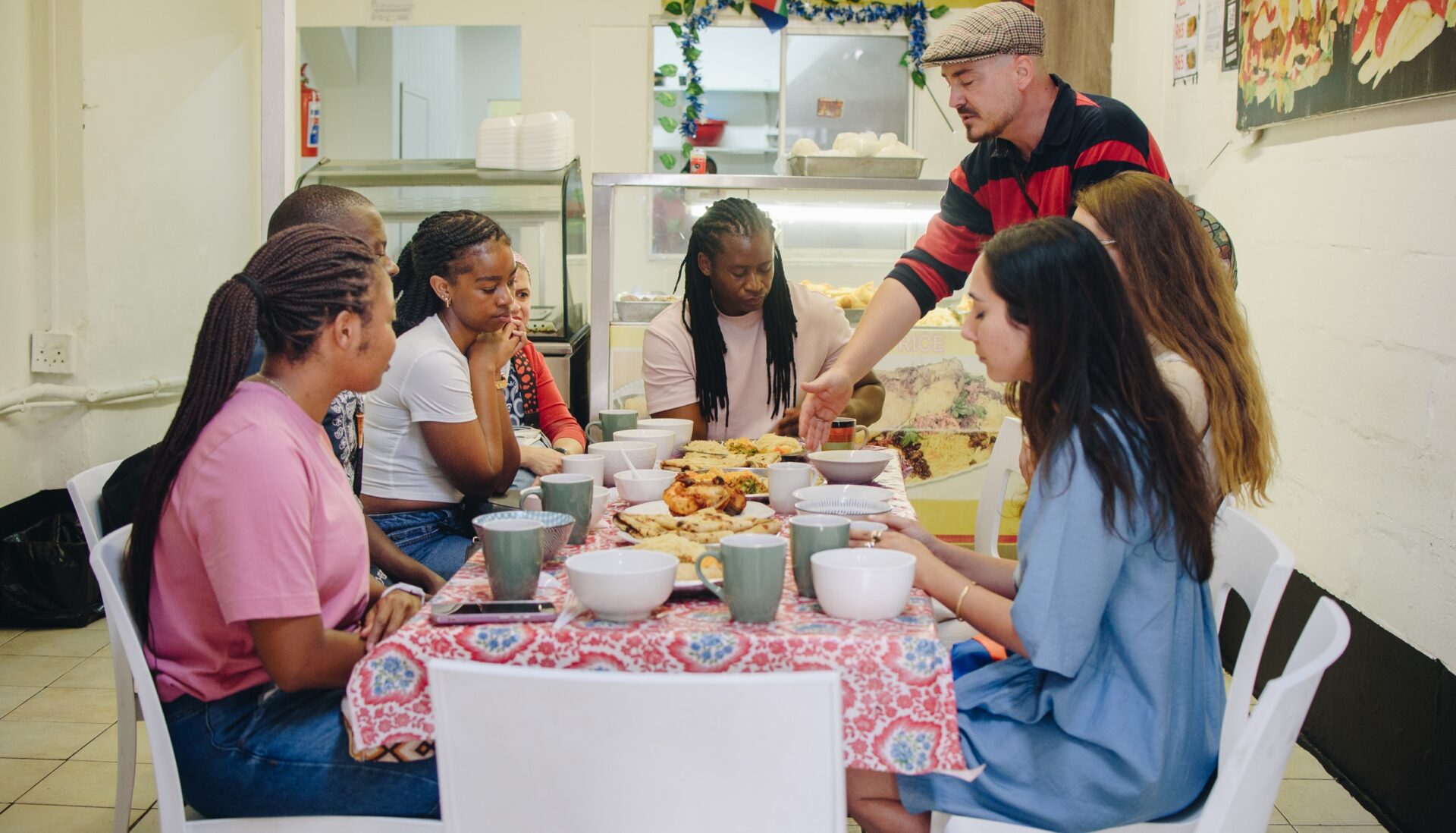
“After the challenge I joined Unexplored Cape Town for their African Food and Storytelling Experience. I ate with my hands and explored the CBD through the eyes of local business owners,” says Samira Matan, Human-Centered Designer and MSc student at UCT. “As an African diaspora, it was truly wonderful to experience the rich history of Cape Town and truly out-of-this-world Pan-African food.”
As South Africa moves through another busy tourism season, the conversation sparked by Tourism 2.0 feels timely and necessary. Tourism does not have to be something that happens to communities. With intention, it can happen with them, creating pathways for small businesses, protecting cultural heritage and ensuring that growth is shared.
“Food tourism is no longer a niche,” Molewa says. “Today, a significant portion of travellers choose where they go based on culinary experiences. But the real and necessary gains should also reach small, black- and brown-owned businesses. Our goal is to reimagine how visitors and locals alike engage with South Africa through a model that restores dignity and uplifts communities.”
If Tourism 2.0 can take hold beyond Cape Town, it offers something South Africa urgently needs: a way to grow tourism that reflects who we are, values where we come from, and opens doors for those who have been excluded for far too long.
For more information, visit Unexplored.
 by
by