A conservation mission in Hluhluwe-iMfolozi Park has given five cheetahs a new and important role in helping protect the future of their species.
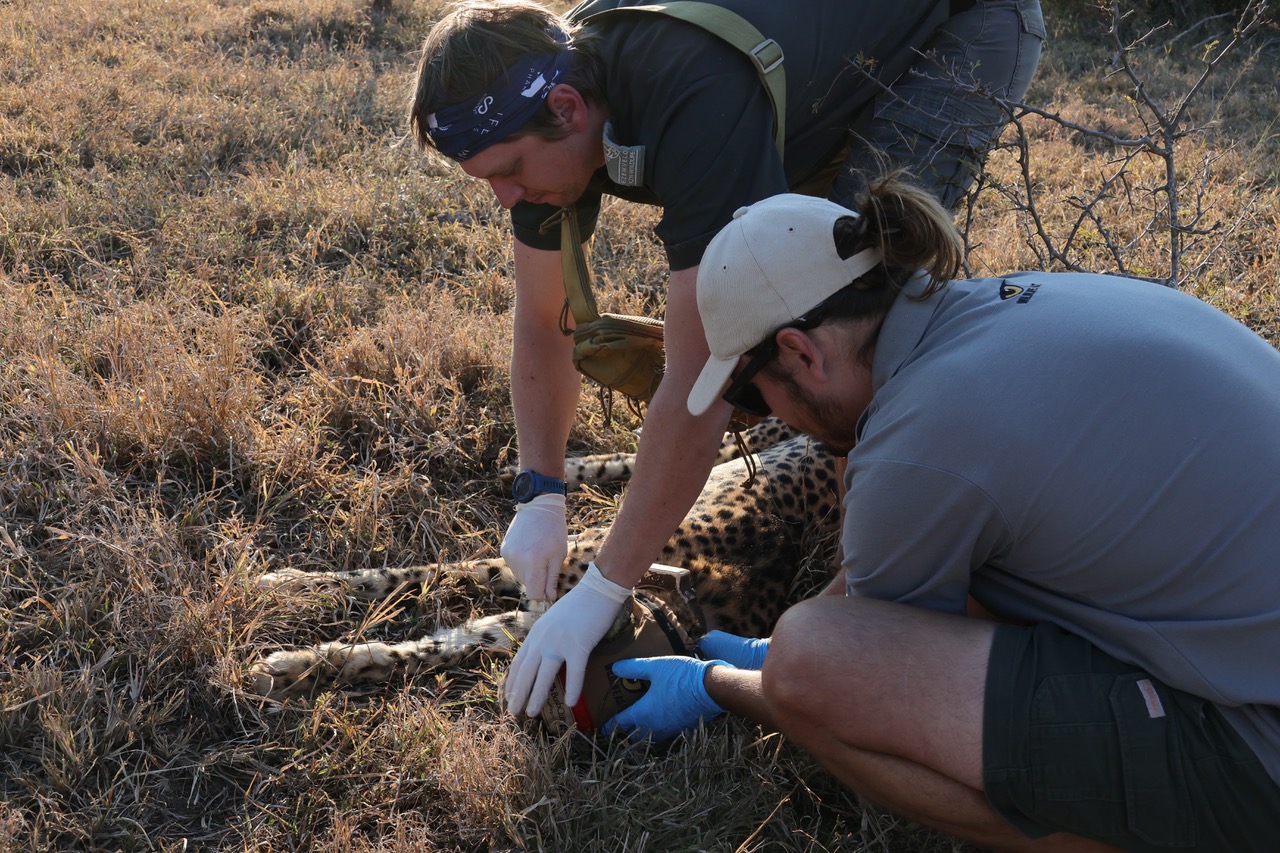
KwaZulu-Natal, South Africa (05 August 2026) – An eight-day operation carried out by conservationists has successfully resulted in five more cheetahs in Hluhluwe-iMfolozi Park now wearing tracking collars.
The collars will help conservationists better understand and protect one of South Africa’s most important spotted species.
The large-scale operation, led by Wildlife ACT and Ezemvelo KZN Wildlife with support from several conservation partners, saw three cheetahs fitted with collars for the first time, while two others that were initially collared last year received new collars. In total, eight cheetahs in the park are now being monitored.
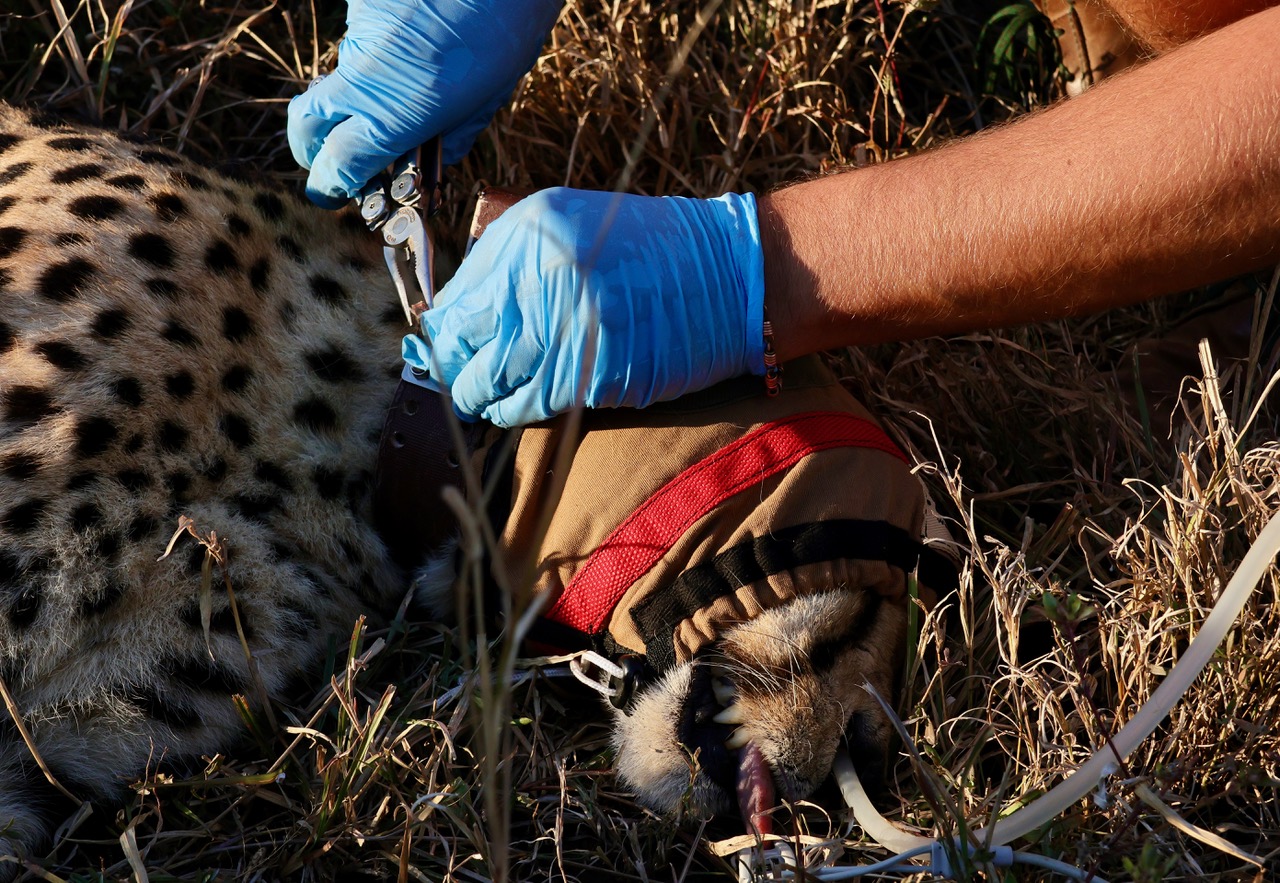
“It’s always a privilege to work with Cheetah,” said Ezemvelo KZN Wildlife Vet, Dr Jennifer Lawrence. “They are challenging to dart and collar as they are very sensitive to the drugs and overheating is a big risk. Conditions have to be just right and managing the anaesthetic becomes the priority. This makes every collaring success a rewarding step towards ensuring Cheetah are well monitored on the reserve.”
The collars will help conservation teams follow the cheetahs’ movements across the park, understand how they’re using the landscape and identify animals that may be suitable for future translocations. Genetic samples were also collected during the operation to help monitor the health and diversity of the population.
Hluhluwe-iMfolozi Park has become one of SA’s most important strongholds for cheetahs. As the population continues to grow, keeping track of where individuals move and who they’re breeding with helps conservationists maintain healthy genetic diversity, which has become increasingly important for a species with fewer than 1000 animals estimated to remain in South Africa.
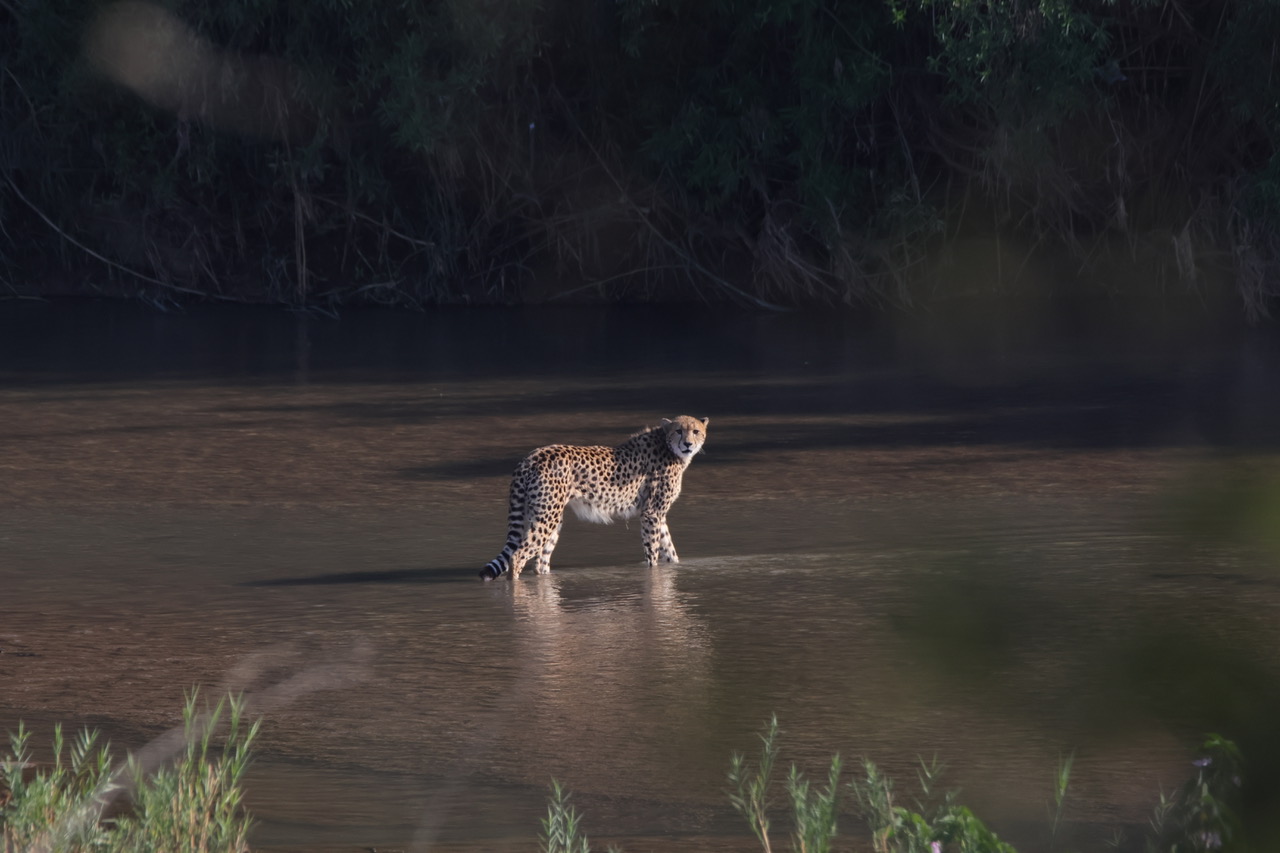
“Every collar we fit gives our teams and partners a clearer picture of how these Cheetah are using the landscape and how the population is changing over time. That long-term understanding is what allows us to plan effectively for this population’s future, and to ensure it continues to play its part in the survival of the species across South Africa,” said Chris du Toit, Wild Dog and Cheetah Conservation Programme Manager at Wildlife ACT.
The operation brought together Wildlife ACT, Ezemvelo KZN Wildlife, African Wildlife Vets, Forever Wild Foundation, WildSky Foundation and Ford Wildlife Foundation, each playing a role in making the collaring effort possible.
Most visitors to Hluhluwe-iMfolozi will never see work like this happening. It takes place often over days of searching and waiting. But every successful collar gives conservationists another opportunity to learn about these remarkable cats and make informed decisions that will help keep SA’s cheetah population healthy and growing.
Related Stories
 AWS Therapy Dogs Bring Comfort and Connection This Alzheimer’s Month
 Two Adorable Little Fox Pups Rescued Near Vryheid!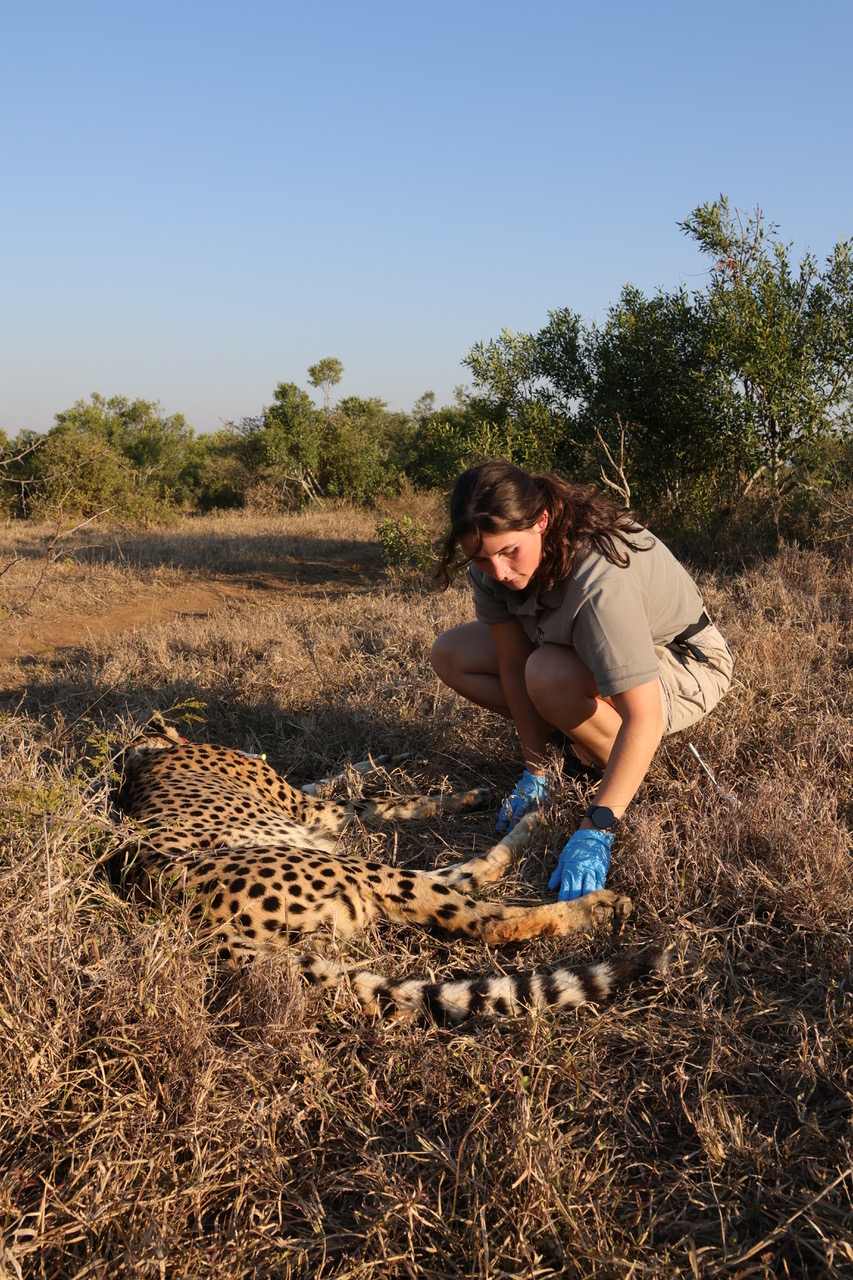
 by
by