In a world-first review, scientists have mapped a path to save over 10,000 Critically Endangered species, demonstrating how conservation, community engagement, and collaboration can shape the future of our planet’s most vulnerable wildlife.
Global (29 June 2025) – What if we told you that over 10,000 animals and plants are standing on the edge of extinction, and that we now have a real plan to pull them back?
In a groundbreaking global study, scientists have for the first time brought together everything we know about the planet’s most Critically Endangered species, creating a roadmap that could help rewrite the fate of over 10,443 animals, plants and fungi teetering on the brink. It’s bold, urgent, but it is also filled with hope.
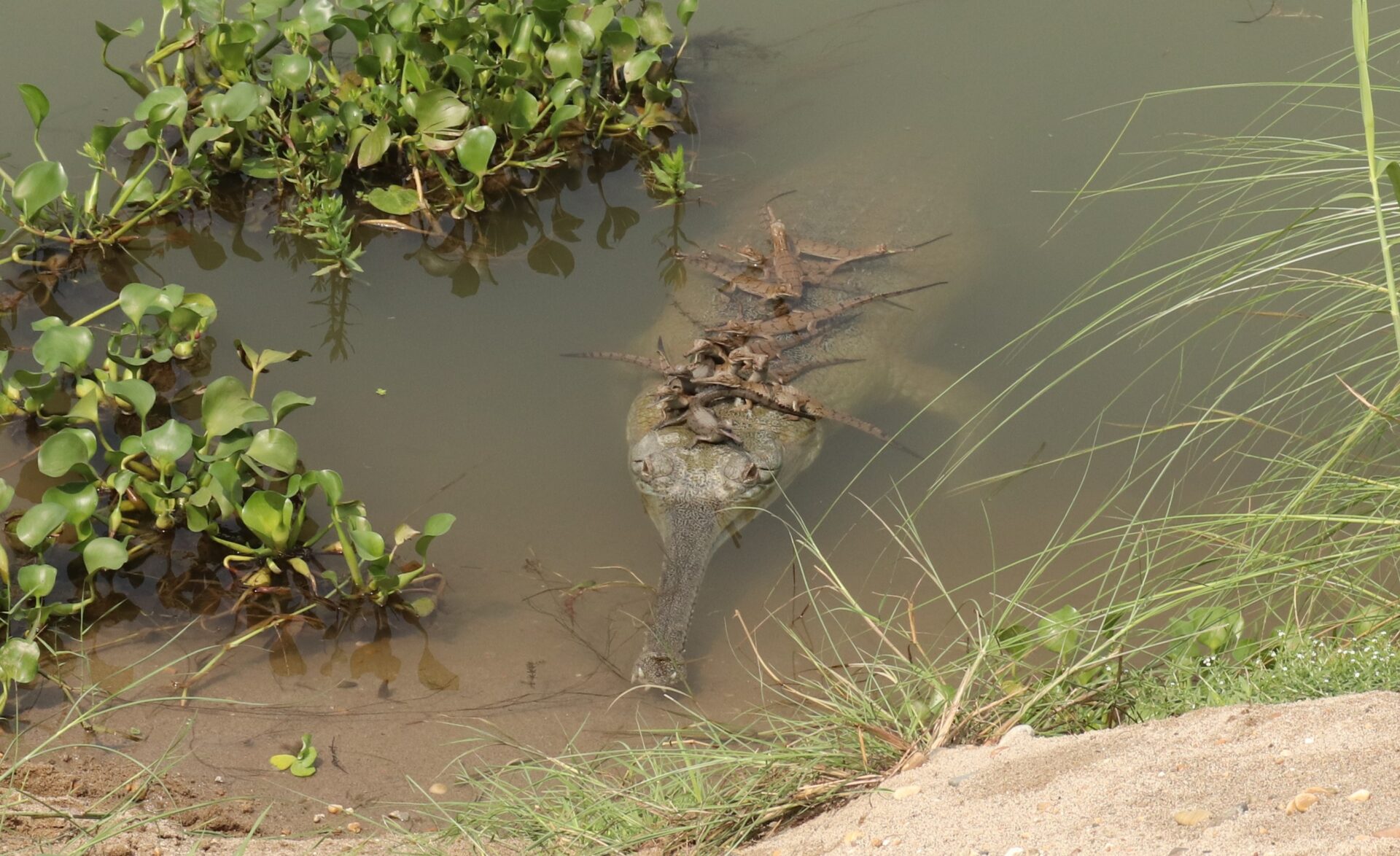
From the smallest two-centimetre snails hiding on volcanic islands to mighty gorillas roaming West African rainforests, these species represent life at its most fragile. Each one is listed as Critically Endangered by the International Union for Conservation of Nature (IUCN), meaning they face an extremely high risk of disappearing forever.

The new study, the status, threats and conservation of Critically Endangered species, published in Nature Reviews Biodiversity, outlines where these species live, what’s threatening them most, and, most importantly, what we can do to protect them.
And the clock is ticking. Scientists estimate that 15% of these species have fewer than 50 mature individuals left in the wild.
The Good News? We Can Still Turn Things Around
“We know that conservation works,” says Dr. Rikki Gumbs, one of the study’s authors and a Research Fellow at the Zoological Society of London (ZSL). “It’s our unsustainable behaviour—things like deforestation, climate change, and invasive species—that’s causing this crisis. But that also means it’s within our power to fix it.”
The report urges world leaders and communities to act now. This means:
- Protecting key habitats where these species still live.
- Involving Indigenous communities in conservation planning.
- Investing in training and local conservation teams.
- Building national and global networks to support long-term biodiversity goals.
- Conservation with a Purpose, and Proof it Works
South Africa’s own biodiversity heroes are part of this story. Our scientists at SANBI contributed to the global review, and the conservation community here is already demonstrating how strategic action can restore fragile species.
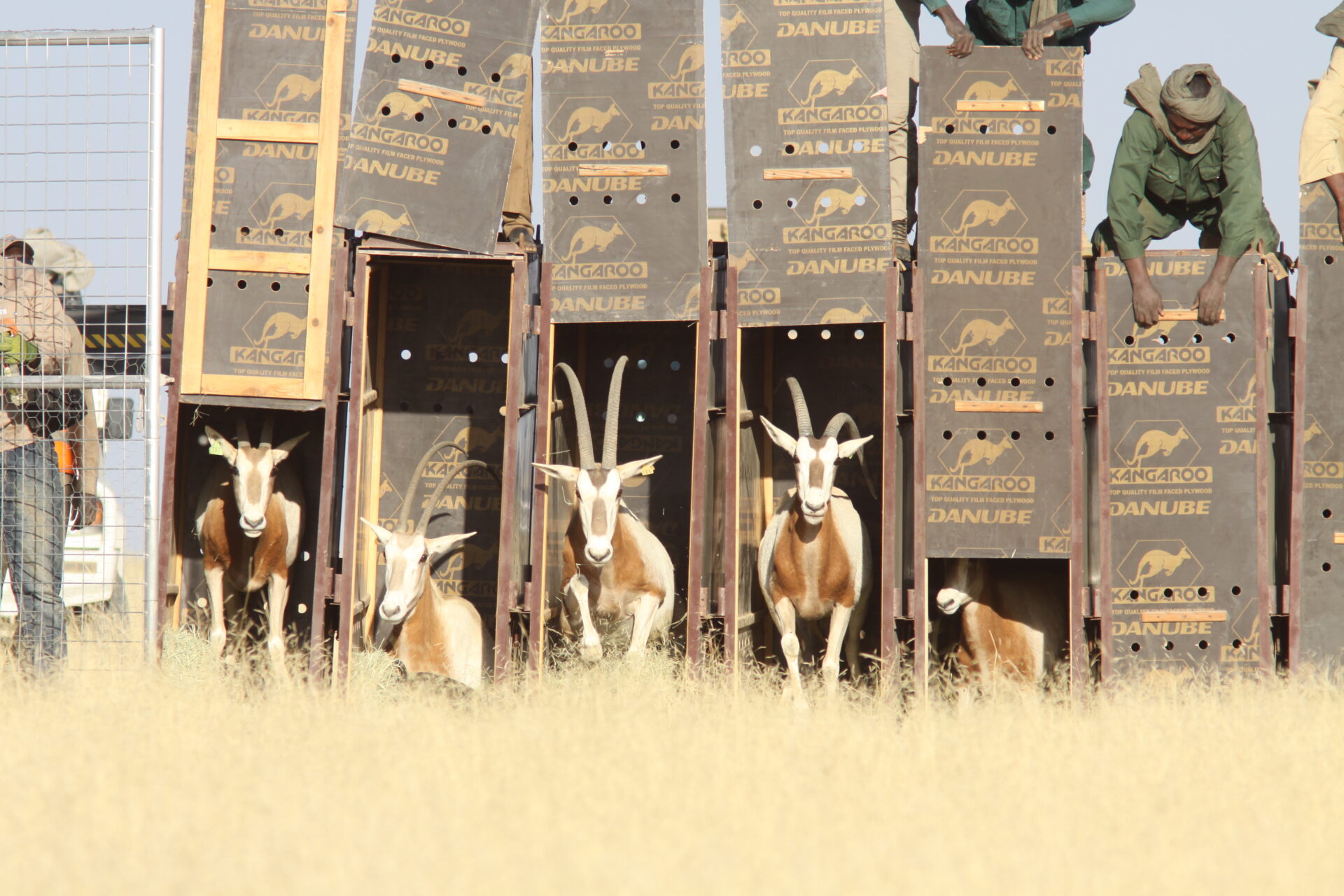
Some successes? Tiger populations in India and Nepal are rebounding. Antelopes, once extinct in the wild, now graze again in Chad. The African forest elephant, itself Critically Endangered, plays a powerful role in carbon storage and forest regeneration; its protection could be worth over $20 billion in environmental value over the next decade.
Related Stories
 Pave the Way: The Community Initiative Turning Overgrown Pavements into Paid Jobs
 Rescued Kite Gets a Special Send-Off and Field Officer Peter Has the Best View!
And the cost to protect all 10,443 species? Around $1–2 billion a year globally, far less than what’s spent on many other international efforts, yet with benefits that could sustain ecosystems and economies for generations.
These species aren’t just names on a list. They’re the heartbeat of the ecosystems we all depend on. They are the pollinators, the carbon-capturers, the river-cleaners and seed-carriers. Lose them, and we risk unravelling the threads of our planet’s natural safety net.
Lead researcher Dr. Thomas Lacher puts it simply:
“The loss of these species brings us closer to critical tipping points. We need to use every available tool to ensure their survival.”
A Roadmap for the Future, Rooted in Hope
This isn’t just another report, it’s a call to unite. A rallying cry for governments, communities, researchers, and everyday nature lovers to step up.
Because while the challenges are massive, so too is our ability to meet them.
“From crisis comes clarity,” Rikki says. “We’ve mapped where the help is needed most. Now we need the willpower, funding, and partnerships to follow through. Together, we can write a different story.”
One where 10,000 more species get a second chance.
 by
by