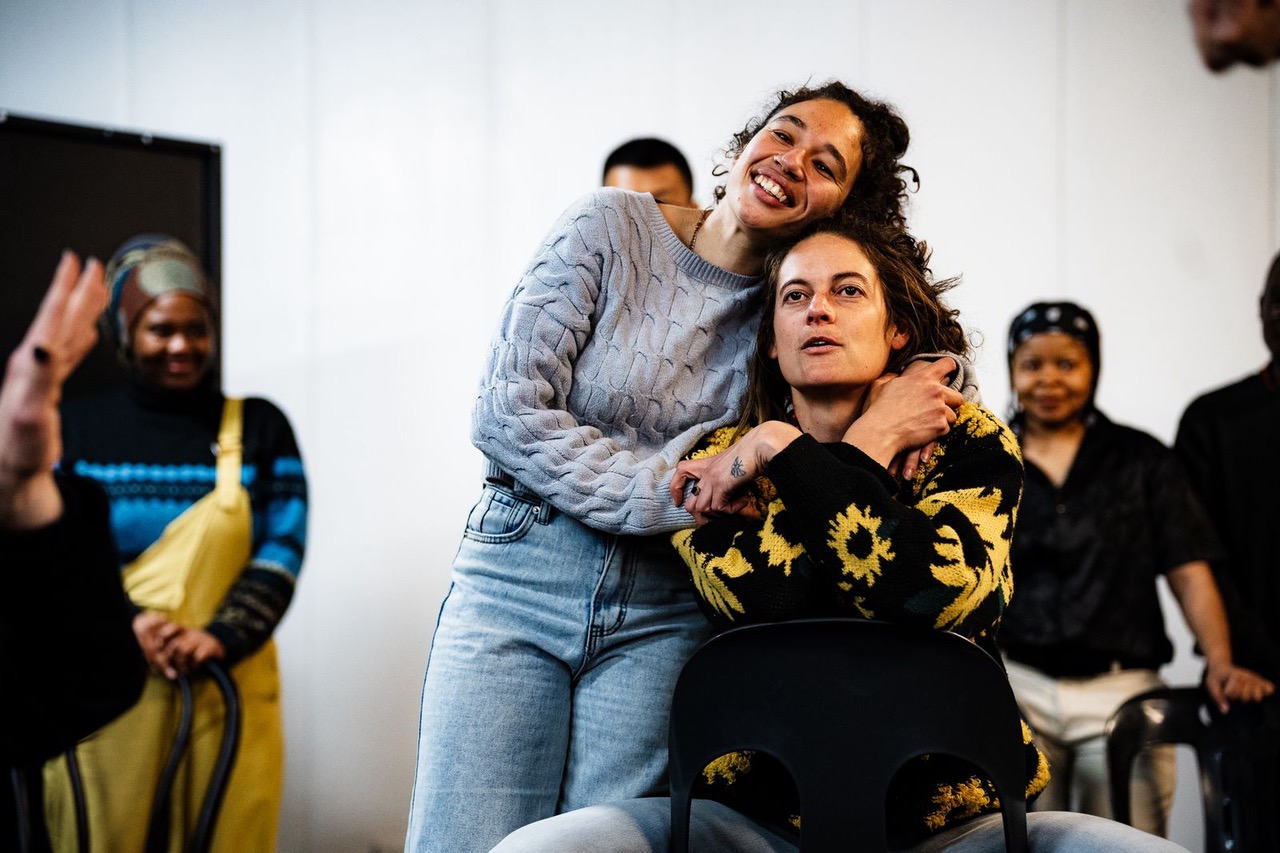
A gentle ‘yes, and’ for anyone who wants to climb out of their shell and learn how to play!
Johannesburg, South Africa (15 August 2025) – If you’ve ever wished you were a bit braver in a meeting, quicker on your feet in conversation, or just less in your head, Joburg has a surprisingly wholesome answer, and it happens after hours. Improv classes, friends!
It’s not the ‘crack a joke on cue’ kind of improv we’re all used to from Whose Line Is It Anyway…
The Assembly Improv, a small school based in Linden, is building a community around connecting with yourself and with others. Founder Paul Rabenowitz is clear about what matters.
“The first thing to know is that improv is not about being funny. It’s about connecting to the person that you’re on stage with, and funny naturally emerges from that, because that’s how life works!” he says.
Paul brought the craft home to SA after training at renowned improv schools in the states. The Upright Citizens Brigade (UCB) in Los Angeles, the famous IO in Chicago and The Second City. These stages brought up international legends we all know and love including Bill Murray, Mike Myers, Amy Poehler, Tina Fey, Dan Aykroyd, and so many more.
Improv is shaped by an approach that goes far back to theatre academic and acting coach Viola Spolin in 1930s-40s, Chicago.
Paul speaks about how Spolin used playful improvisational theatre games to help immigrant kids find confidence and connection; those games grew into The Second City (1959), and later UCB in New York and LA co-founded by Amy Poehler, and a bunch of really famous and very funny people.
The point is, within its roots, improv has a longstanding history and ability to help people transform. How does it work?
“It’s magic to some extent,” says Paul, “In that it’s the act of engaging with yourself and other people. It’s a process of letting yourself be part of a whole that’s greater than just you. It’s what we call ‘group mind’. Almost like a murmuration of starlings fluttering together.”
 Geese Are Whispering in the Ears of Swimmers at School Before Races!
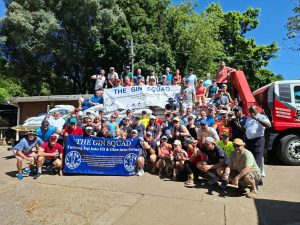
 The Gin Squad Drops 5 Tonnes of Pet Food on Tshwane SPCA!
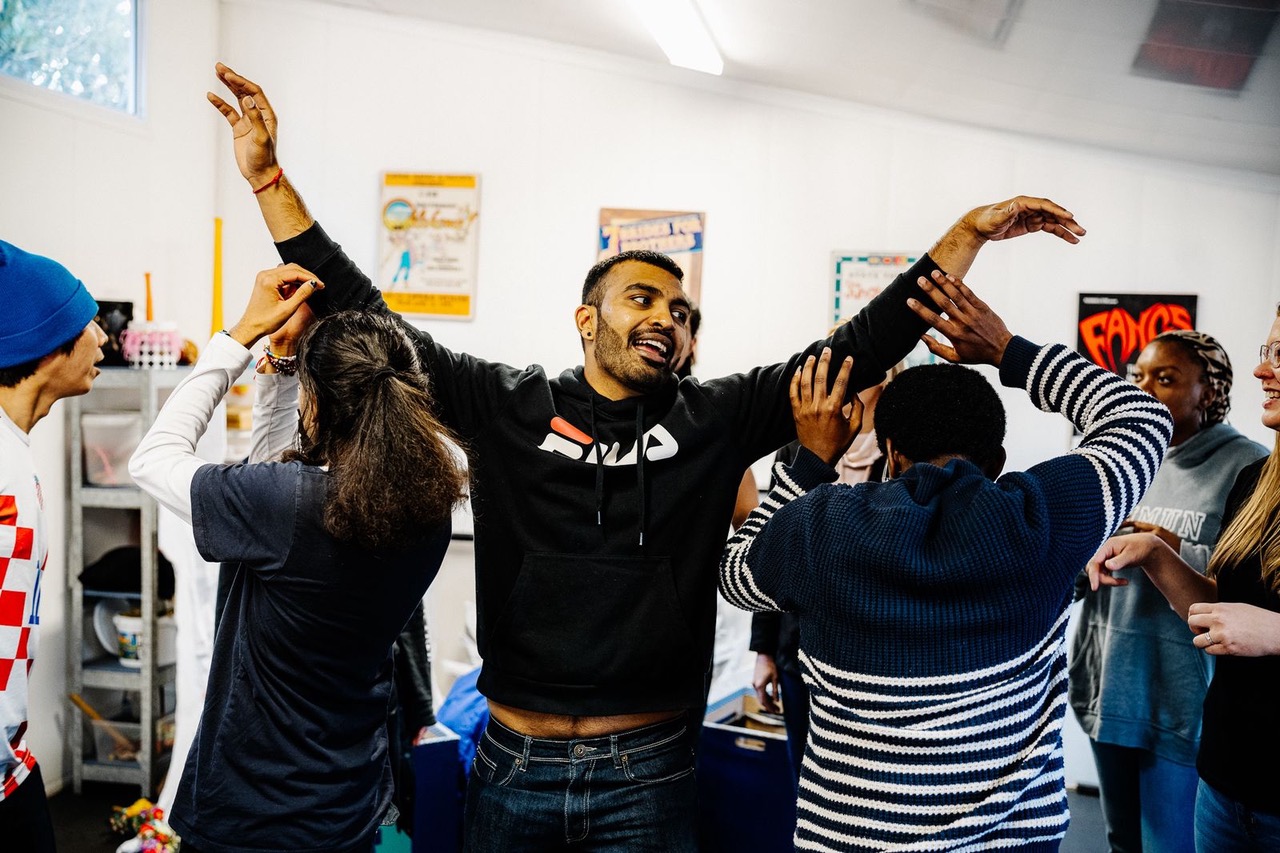
Improv revolves around building a scene with your partners. It requires listening, being 100% open to what the other person is putting down, and building onto it. Even if you make mistakes, they become a part of the thread that you’re all weaving together in real-time.
The anchor of improv is a tiny phrase with a big effect. “Yes, and…”
Think of it as the opposite of shutting ideas down. First, you agree with whatever the reality is on the table, then you add something to grow it. That’s the rule.
“It also means learning to not judge others but rather looking at how we can seek to build connections and build onto what people are offering, rather than saying ‘no but’ or ‘yes but’ as many people often do in life,” says Paul.
Of course, we can’t always live with a ‘yes and’ attitude, but improv teaches us to be more open.
On the other hand, it helps reframe our ‘mistakes’ to think of them as opportunities or springboards to things that we didn’t even know we would discover.
That’s the magic of it, and Paul has brought it home. After training at the same grounds that legends found their roots in, he’s building a community here.
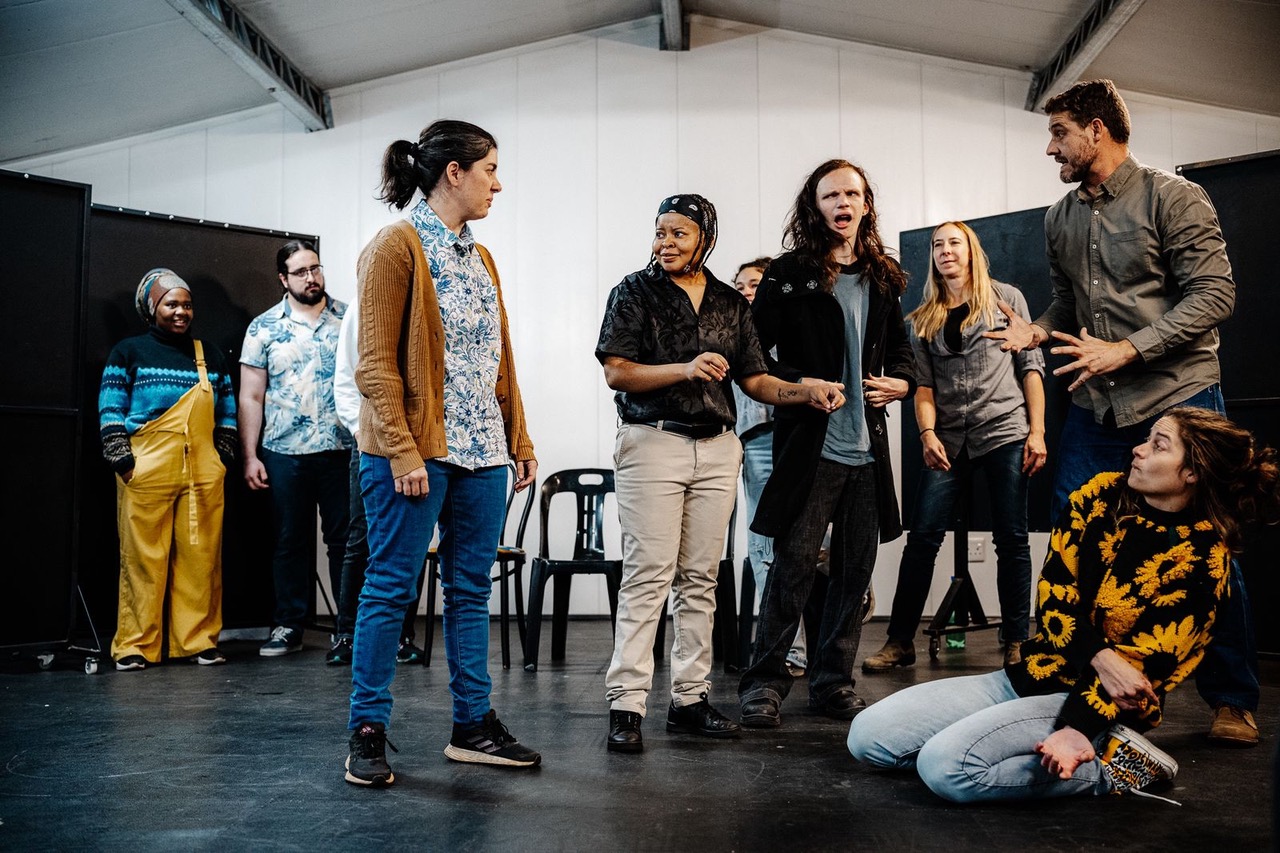
In Jozi, the scene is still young, which makes it exciting. The Assembly is one of the very few improv schools open to anybody above the age of 18 in South Africa. It’s accessible too, by being intentional about widening the circle with bursaries, outreach and real stage time for new voices.
It’s not about performing, either. If you’re picturing a spotlight, it’s not that. The rooms are small and intimate. You warm up, you play, you learn to listen properly, you try things, you mess up, you laugh.
“All we need is you and your essence on stage, and together, between us, we can make up a show that lasts up to an hour,” says Paul.
That ‘respond, don’t rehearse’ muscle is why a lot of non-performers pitch up: teachers, engineers, marketers, medics. Improv is useful and adaptable to different scenarios. It’s also why Paul’s doing a PhD at Wits on improv and communication for client-facing professionals – the same skills that build scenes build trust.
Paul won’t pretend he arrived at his first improv class fearless.
He started about a decade ago, feeling shy and introverted. The more he played in a kind room, the more his shoulders dropped. People noticed – better listening, lighter nerves, a clearer voice.
“I aim, in my improv classes, and in our free monthly drop-ins – for those who are curious and want to feel it out – to make a safe space where people can feel that we’re here to play. There’s no judgement, and you’re free to be yourself.”
Who’s it for? Anyone 18 and up. You don’t have to be chasing a career in comedy or on stage. Many students don’t want to perform publicly; they’re there to stretch, connect and surprise themselves.
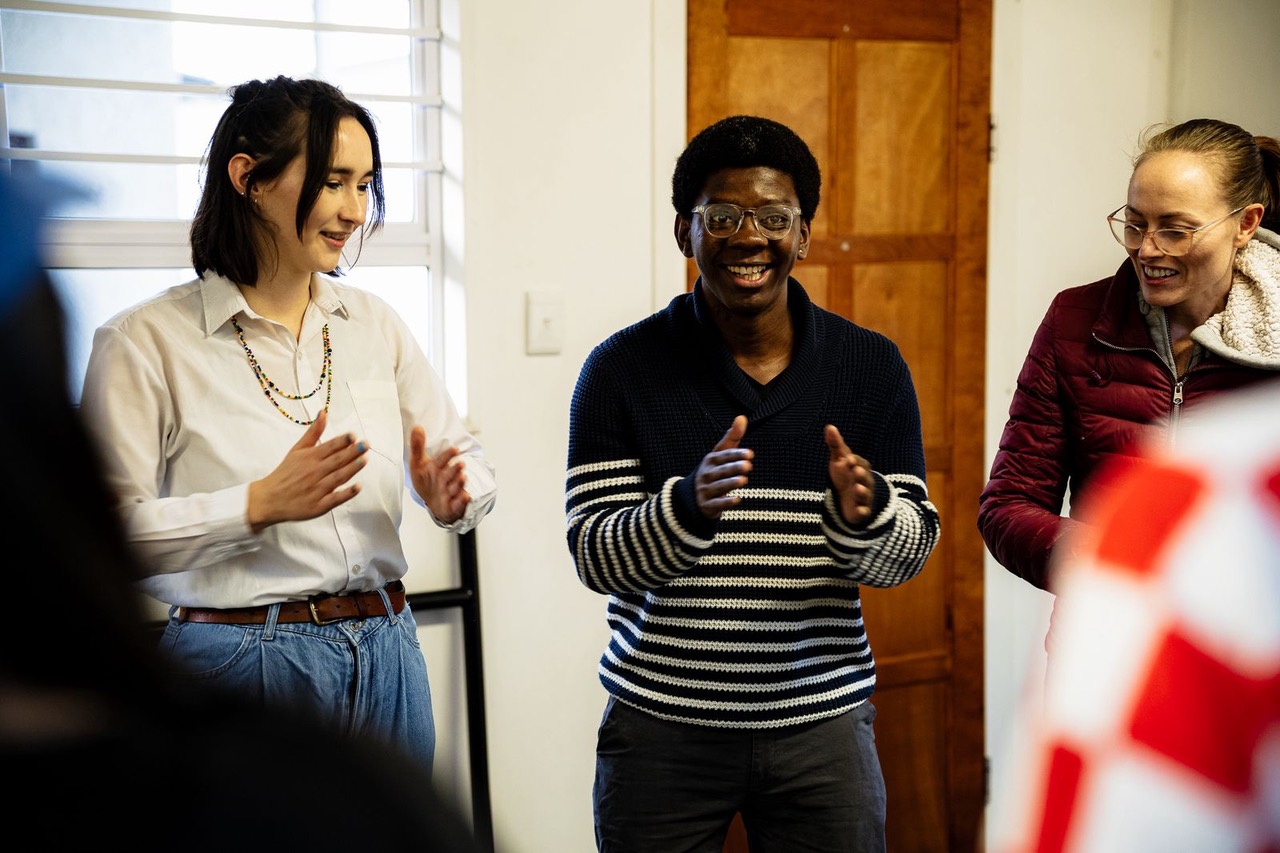
If you’ve been waiting for a nudge out of your shell, try a drop-in class. Worst case, you laugh and go home happy. Best case, you pick up a fun habit that takes you further. Plus, you get to be a part of a growing community still finding its voice locally.
“Improv has historically belonged to middle class, middle-aged white men around the world. We’re making a huge effort to reflect and build a proudly South African point of view in improv, instead. Come check us out,” says Paul.
 by