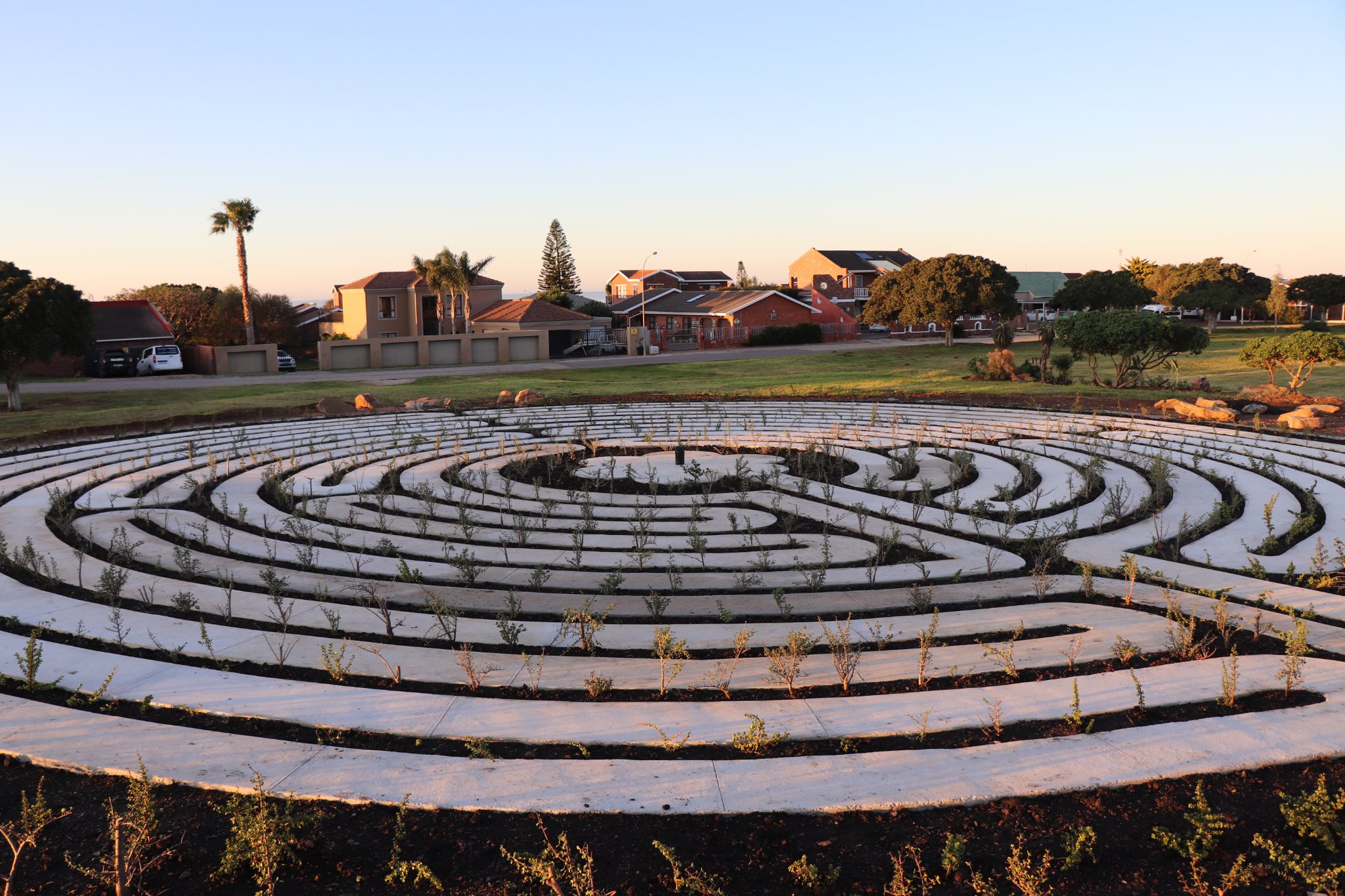
The Jeffreys Bay community in partnership with the Kouga Municipality worked on a beautiful spekboom labyrinth for all to enjoy.
Jeffreys Bay, South Africa (04 July 2022) – The wonder of the Spekboom is seen time and time again. That is why it is one of South Africa’s most beloved plants for eco-friendly projects. The Kouga Municipality recently welcomed the addition of 1000 plants in Jeffreys Bay.
This super plant has the ability to store carbon dioxide, which helps reduce the presence of carbon dioxide within the environments where it is planted. It is also an edible plant and is well-loved by wildlife. Spekboom is very high in nutritional value with a delicious, juicy lemon taste that is a favourite food for black rhinos, kudus and elephants.
The spekboom is indigenous to the Eastern Cape but is also found throughout the drier parts of South Africa.
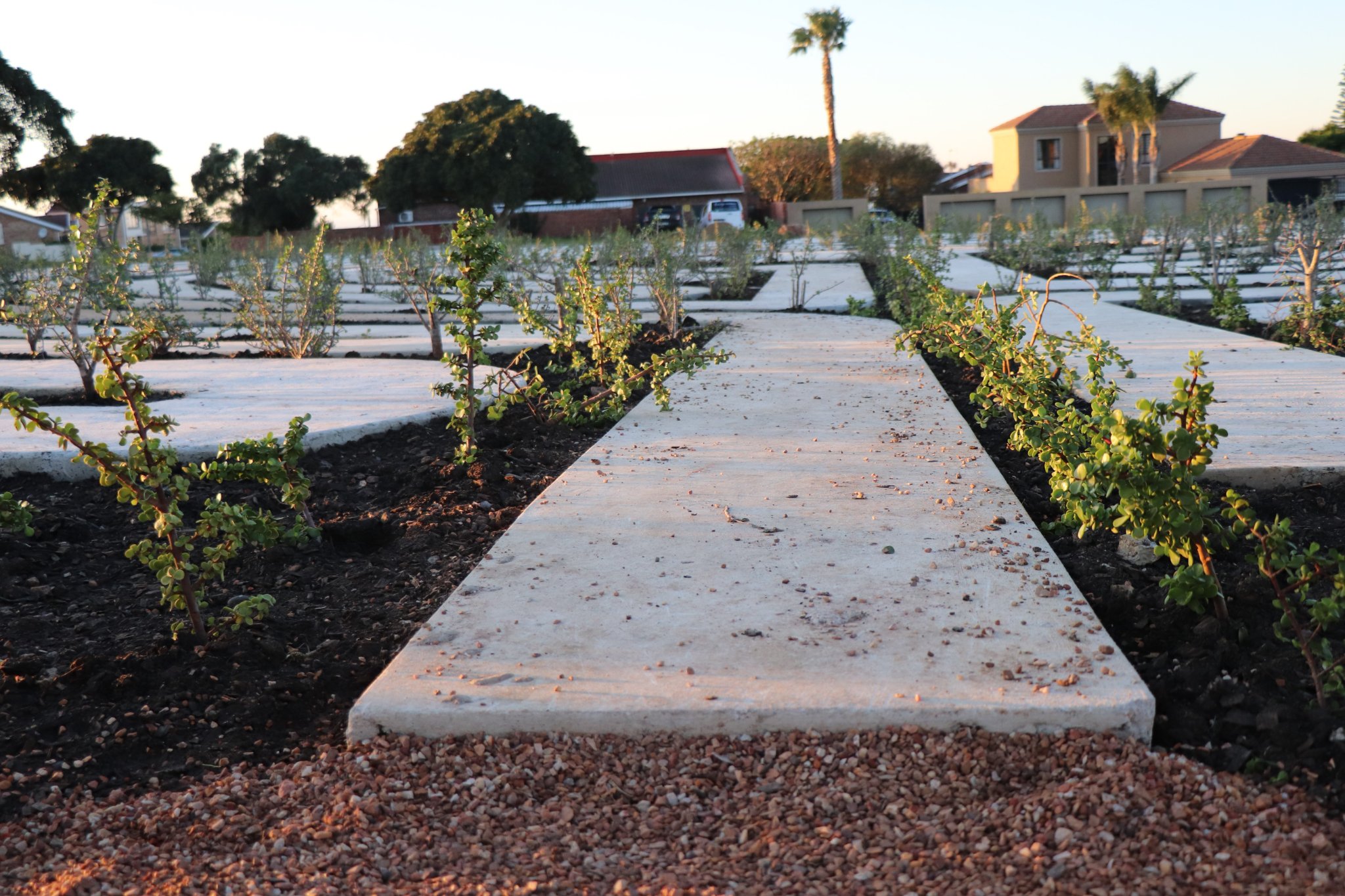
A labyrinth was created on the corner of Noorsekloof Road and Dogwood Road in Jeffreys Bay. The hedging that was planted consists of 1000 Spekboom plants.
“It has been a dream of ‘Dorp van Drome’ to construct a labyrinth in Kouga and, in doing so, put Jeffreys Bay firmly on the international labyrinth map,” said Kouga Executive Mayor, Horatio Hendricks.
“And adding one more labyrinth to the existing 124 labyrinths across South Africa in municipal areas, while addressing climate change – thus the reason for using over 1 000 spekbome.”
The park was created with the input of the public, and they were given the opportunity to name the park as well.
“After the first meeting, consultation meetings with all the adjacent residents followed – to thoroughly explain the project to them, as well as to obtain their stamp of approval,” said Hendricks.
“The affected residents were supplied with information about the use and relevance of a labyrinth, as well as an opportunity to choose a name for the park.
Related Stories
“They were very excited and happy that the park will be put to good use and that Jeffreys Bay will secure a spot on the labyrinth map.”
 Temu Refused to Leave His Poisoned Dog's Side and Love Won the Day!
 Rescuer Carries Costs of Injured Toad's Important Surgery
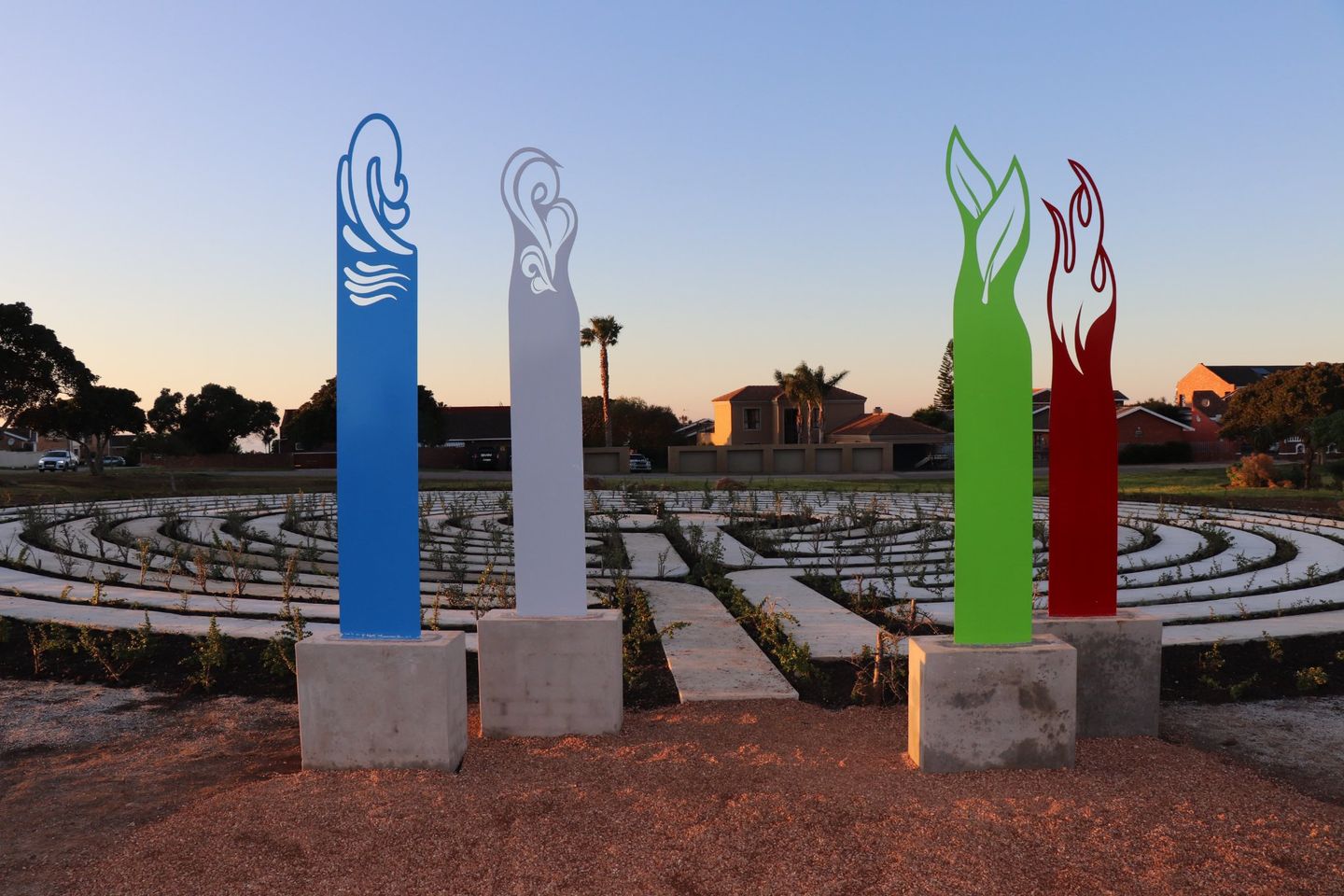
The labyrinth was designed by landscape architect and “Dorp van Drome” resident Pieter Kok. Zuanda Badenhorst designed the four columns, and builder Hannes Bekker oversaw the construction of the project.
The columns are based on the four natural elements, each of which plays a vital role in the influence of climate change.
“In earlier years it was believed that these elements are life-sustaining forces,” said Hendricks. “To put it simply, the human body is a physical construct that exists in the material world and earth, water, air, and fire are vital aspects of the physical universe and matter.”
Many people stepped forward to be involved in the project. From donating the soil and plants to the water needed to build the labyrinth, everyone contributed to make sure the project was sustainable. Many residents have committed to the ongoing maintenance of the project as the spekboom grows up to become a beautiful hedge.
According to him, all these elements play a major role in our daily lives.
 by
by