South Africans are more resilient than ever, but the 2025 Profmed Stress Index reveals the hidden toll of constant pressure and why honest conversations matter.
South Africa (07 July 2026) – South Africans have always had a remarkable ability to keep going. Through uncertainty, rising costs, power cuts, long working days and the constant balancing act of modern life, people continue to show up for their families, communities and careers with resilience and humour that often feels uniquely South African.
But the latest 2025 Profmed Stress Index reveals something important: while resilience remains one of the country’s greatest strengths, many professionals are carrying far more pressure than they realise.
The annual Index, which tracks stress trends over the past decade, paints a picture of stress that has shifted dramatically in recent years. What was once linked to isolated issues like finances or work pressure has evolved into something much more layered and persistent.
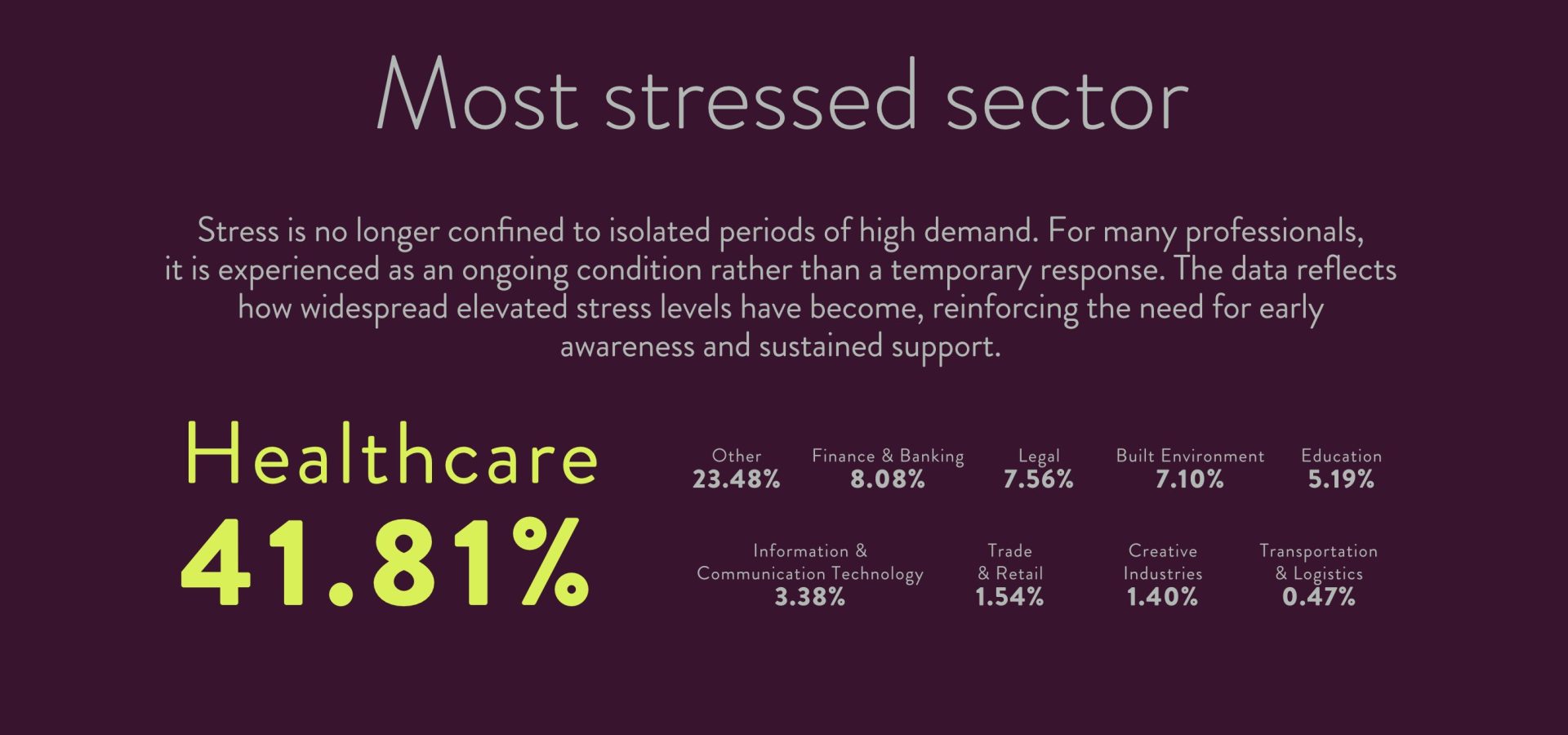
Today, financial strain, workplace culture, economic uncertainty and lifestyle pressures are deeply interconnected, creating a kind of “always on” stress that follows people long after the workday ends.
“The Stress Index offers one of the most consistent longitudinal views into how stress has evolved over the past decade, and if anything, this year’s findings have reemphasised the pressing need for proactive, preventative support that can protect your health before it is compromised,” says Justine Lacy of Profmed.
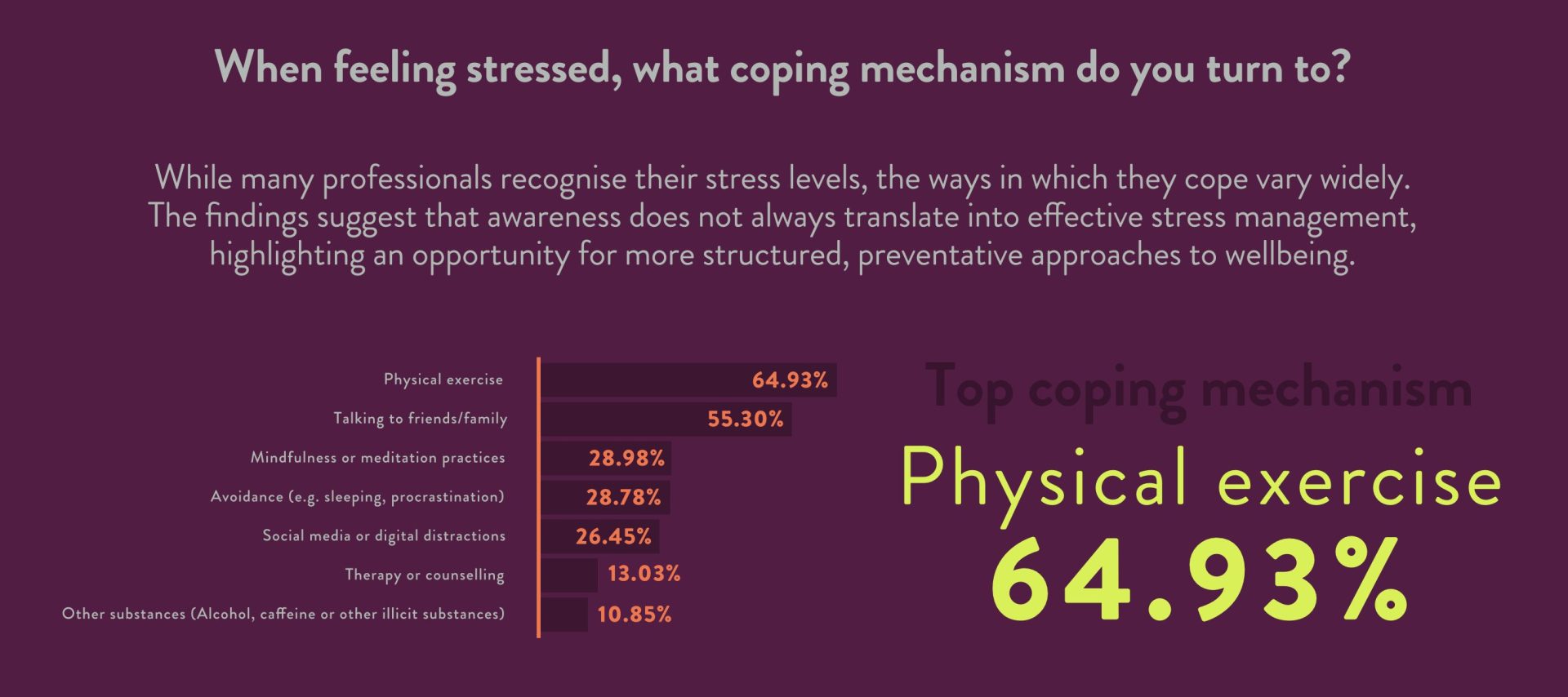
The findings are striking. Nearly 33% of respondents reported disrupted sleep patterns, while almost 32% said stress had affected their ability to exercise. Just under 30% experienced unhealthy eating habits linked to stress, and 44.05% admitted to feeling overwhelmed despite actively trying to cope through therapy, exercise or mindfulness practices.
Perhaps the most telling part of the Index is how many South Africans have quietly adapted to functioning under constant pressure.
Related Stories
 Table Mountain Venue Snags Another World-Class Win for South Africa!
 Vusa Launches Upgraded DigiBus to Boost Digital Learning for Langa Schoolchildren
The report describes stress as “background noise,” something many people simply carry while continuing to move through daily life, and yet, within that reality, there is also something hopeful.
South Africans are becoming more open about mental health. More people are recognising stress for what it is instead of dismissing it as weakness or failure. Conversations around burnout, emotional well-being, and balance are happening far more openly than they did a decade ago.
The Index found that almost half of respondents are concerned about the long-term impact of stress on their mental health, while a similar number expressed openness to therapy or counselling. That willingness to seek support reflects a meaningful cultural shift toward honesty, self-awareness and care.
“Stress is not a personal weakness,” says Lacy. “It is a natural response to sustained pressure. If we genuinely want healthier professionals, we can’t keep placing the responsibility solely on individuals to cope better. We need systems that step in earlier, and support people before stress takes hold.”
That idea feels especially relevant right now. The country’s resilience has never meant pretending things are easy. It has always looked more like community, adaptability and finding ways to support one another through difficult seasons. From neighbours checking in during load shedding to colleagues carrying each other through demanding workweeks, South Africans consistently find ways to create connections even during stressful times.
There is growing recognition that well-being cannot exist in isolation either. Healthier workplaces, accessible mental health support, stronger boundaries around rest and more honest conversations about stress all play a role in improving quality of life.
Small changes matter too. More people are prioritising movement, sleep, time outdoors and meaningful connection instead of viewing rest as something that must be “earned” after burnout. Employers are starting to understand that well-being directly affects creativity, productivity and long-term sustainability. Friends are checking in with each other more honestly. Families are talking more openly about mental health.
None of these shifts solves stress overnight, but together, they create something powerful: a culture where people feel seen instead of silently struggling.
The 2025 Profmed Stress Index may highlight the scale of the pressure many South Africans are carrying, but it also reflects a society becoming more aware, more compassionate and more willing to talk about what people truly need in order to thrive. And perhaps that’s where the good news begins.
Read the full 2025 Profmed Stress Index here: https://profmed.co.za/profmed-stress-index-2025/

 by
by