In a wholesome blend of education, environmental care, and community empowerment, a solar-powered hydroponic farming system at Pelican Park High School is doing so much more than just growing vegetables. It’s equipping learners with future-focused agricultural skills, supporting a feeding scheme, and ensuring local caregivers are fully supported as they care for children in need.
Cape Town, South Africa (17 July 2026) – Something wonderful and nourishing is growing beyond the classroom walls at Pelican Park High School.
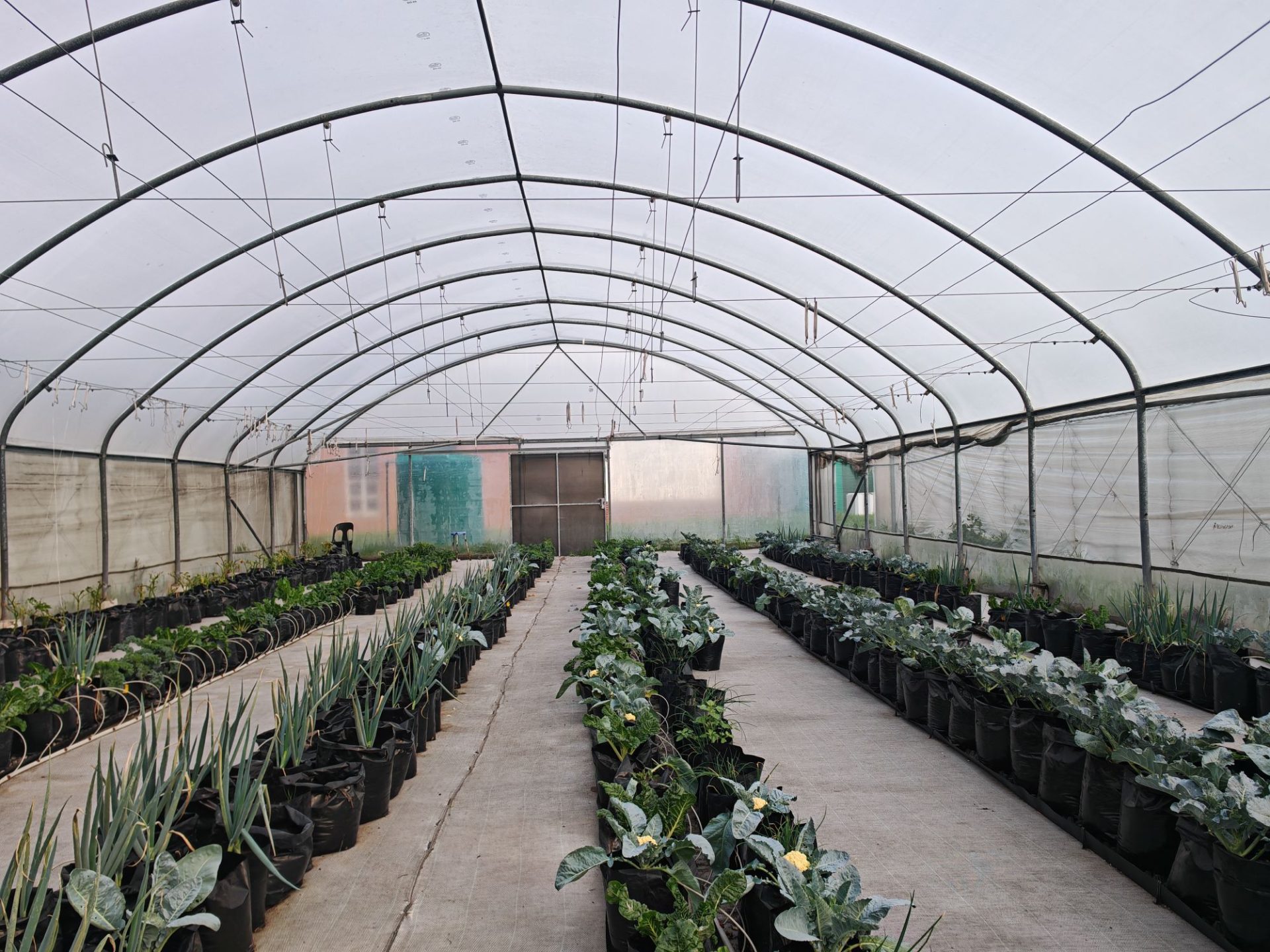
The only school in the Cape Town metropolitan area offering agricultural studies as part of the curriculum, it has built a reputation for excellence since the subject was introduced five years ago.
The programme serves about 120 learners from Grades 10 to 12 and boasts a 100% pass rate in Agricultural Sciences for four consecutive years. By offering Agri-tech and Farm Management, the curriculum does more than teach – it plants the seeds for a world of thriving career opportunities for learners after high school.
Learners receive hands-on training in soil management, crop production, harvesting, processing and marketing. This practical foundation made the school the perfect match for the University of the Western Cape’s (UWC) solar-powered hydroponic initiative.
Soon, the University will install a vertical hydroponic farming system that will significantly expand production while exposing learners to emerging agricultural technologies.
The innovative system will be installed on the walls of the school’s greenhouse, adding capacity for approximately 600 additional crops without affecting existing farming activities. Each two-metre vertical unit will accommodate 48 plants using a soil-free, nutrient-rich water circulation system.
For learners, the project offers more than increased food production. It provides hands-on experience with farming technologies that are becoming increasingly important in modern agriculture.
And as if that weren’t inspiring enough, when Islamic Relief learned about UWC’s sustainable farming system, they saw a perfect reflection of their own mission to uplift those in need.
While Pelican Park High’s harvests already support the school’s own feeding scheme and stock a local community market, the upcoming bounty from the new hydroponic system will take their impact even further. The school will soon share these bumper crops with 12 incredible women identified by Islamic Relief, helping sustain them in their everyday work as caregivers for orphans and vulnerable children.
Related Stories
 K9 Hero Mufasa Helps Sniff Out R161,000 in Poached Abalone Overnight!
 Two Dogs, One Happy Home: The De Lange Family Doubles Up on Love
By bringing together university-level science and engineering with a passionate local school, this partnership is doing so much more than just growing food. It is opening exciting doors for young minds and demonstrating how innovation, when rooted in heart, can foster food security, build lifelong skills, and empower an entire community!
 by