A University of Pretoria master’s student is combining exercise science and artificial intelligence to understand what keeps people active and how fitness can become more accessible, all while looking for more volunteers.
Pretoria, South Africa (22 July 2026) – What if artificial intelligence could help more people stick to an exercise routine?
That’s the question University of Pretoria master’s student Megan Oettlé is hoping to answer through a research project that combines exercise science with machine learning. While the technology behind the study may sound complex, the goal is to simply help people stay active for the long term.
Megan’s research forms part of a larger project led by her supervisor, Dr Jill Borresen, which explores why so many people struggle to maintain an exercise routine and, more importantly, what keeps them coming back.
“Exercise is medicine,” Megan said. “We know it improves health and helps people live longer. The challenge is figuring out what keeps people exercising.”
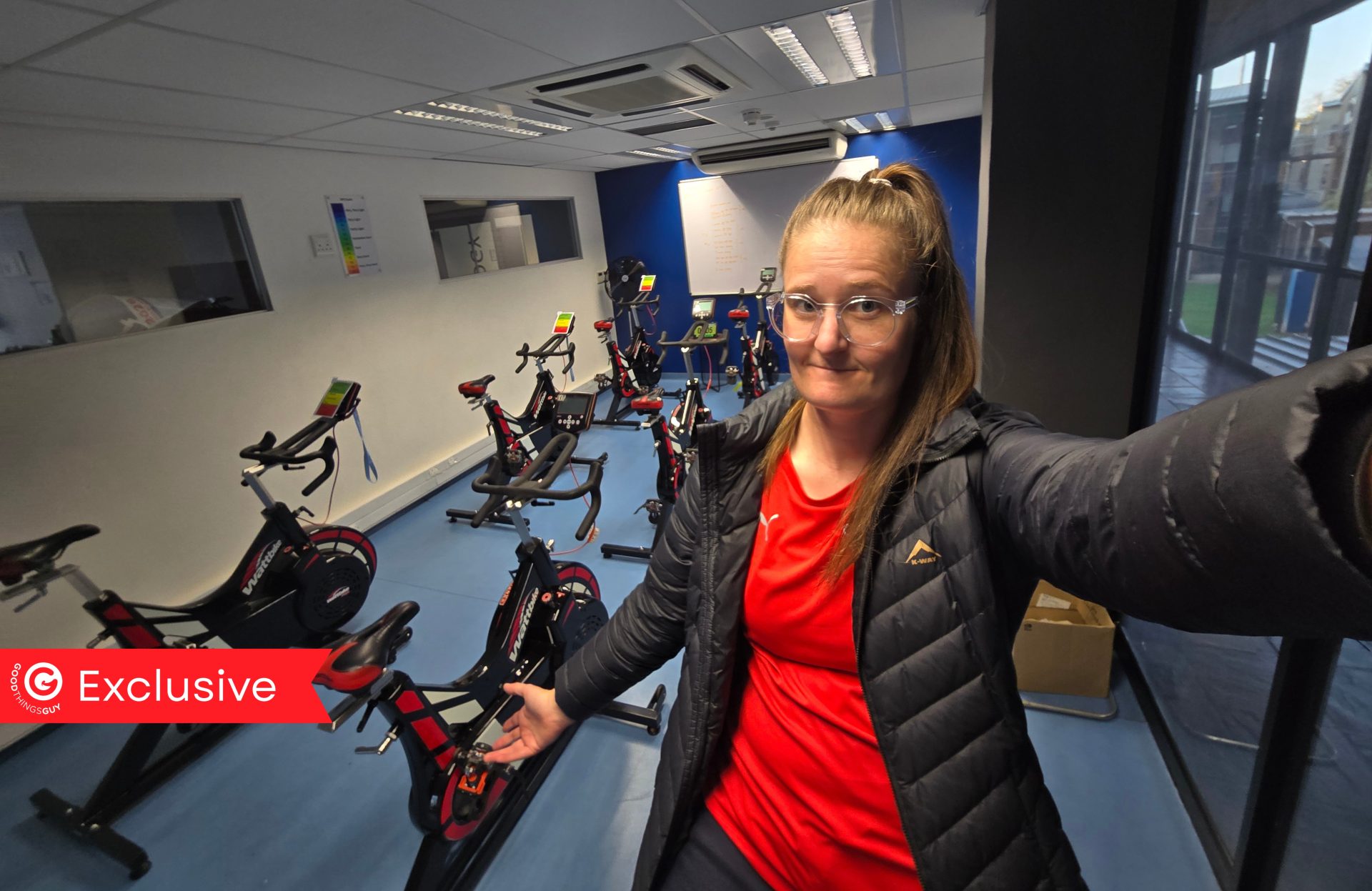
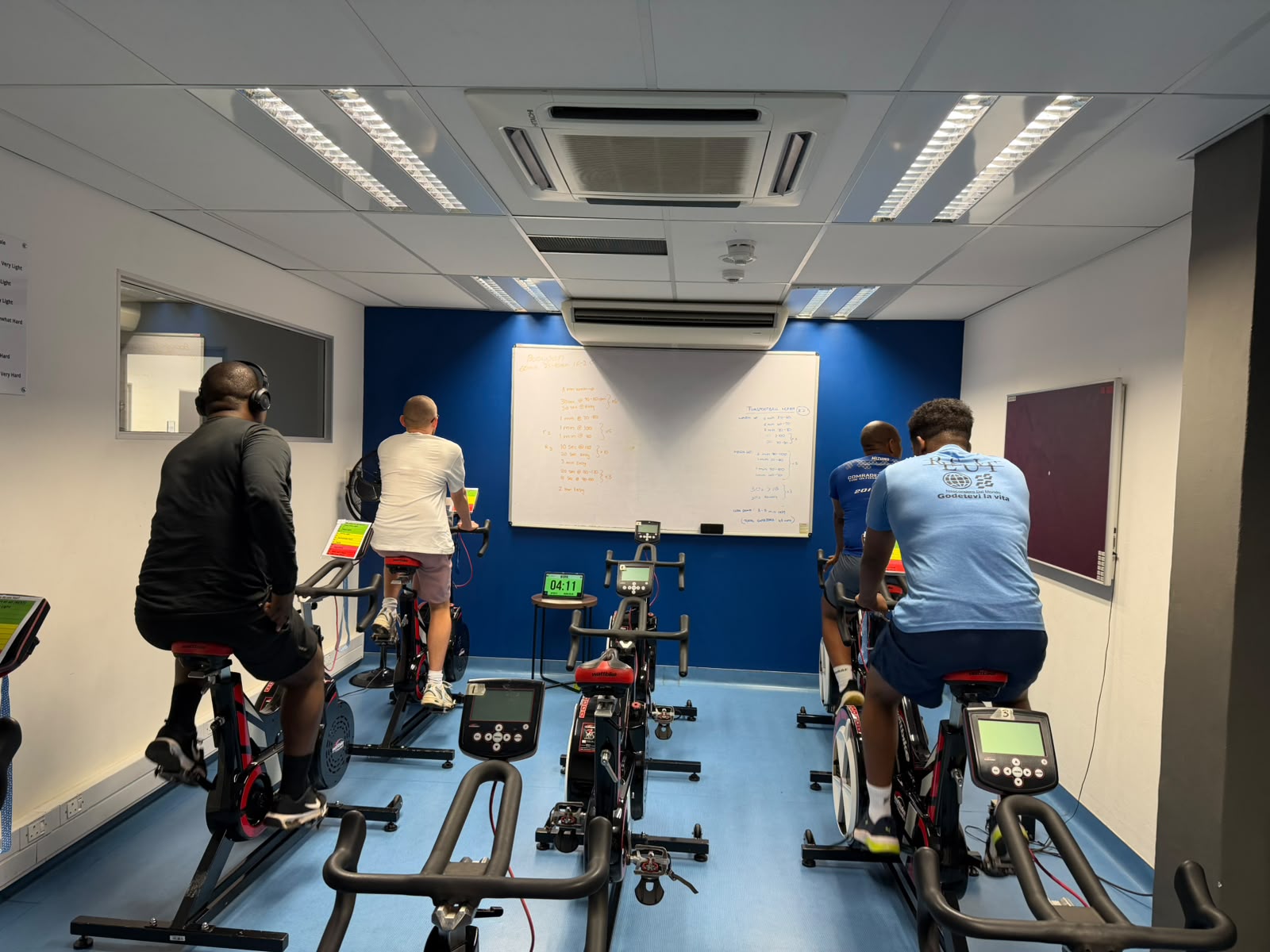
The study invites physically inactive men between the ages of 23 and 37 to take part in a 12-week cycling programme at the University of Pretoria’s Sport, Exercise Medicine and Lifestyle Institute (SEMLI). Participants complete sessions at different levels of perceived effort, allowing researchers to compare whether people are more likely to stick with longer, easier workouts or shorter, more demanding ones.
At the same time, Megan is collecting data from participants to assess if a machine learning algorithm could be developed to eventually predict an athlete’s mechanical efficiency without relying on costly equipment.
“We’re trying to use artificial intelligence to benefit people,” she explained. “The aim is to build an algorithm that can provide valuable training insights without needing expensive equipment.”
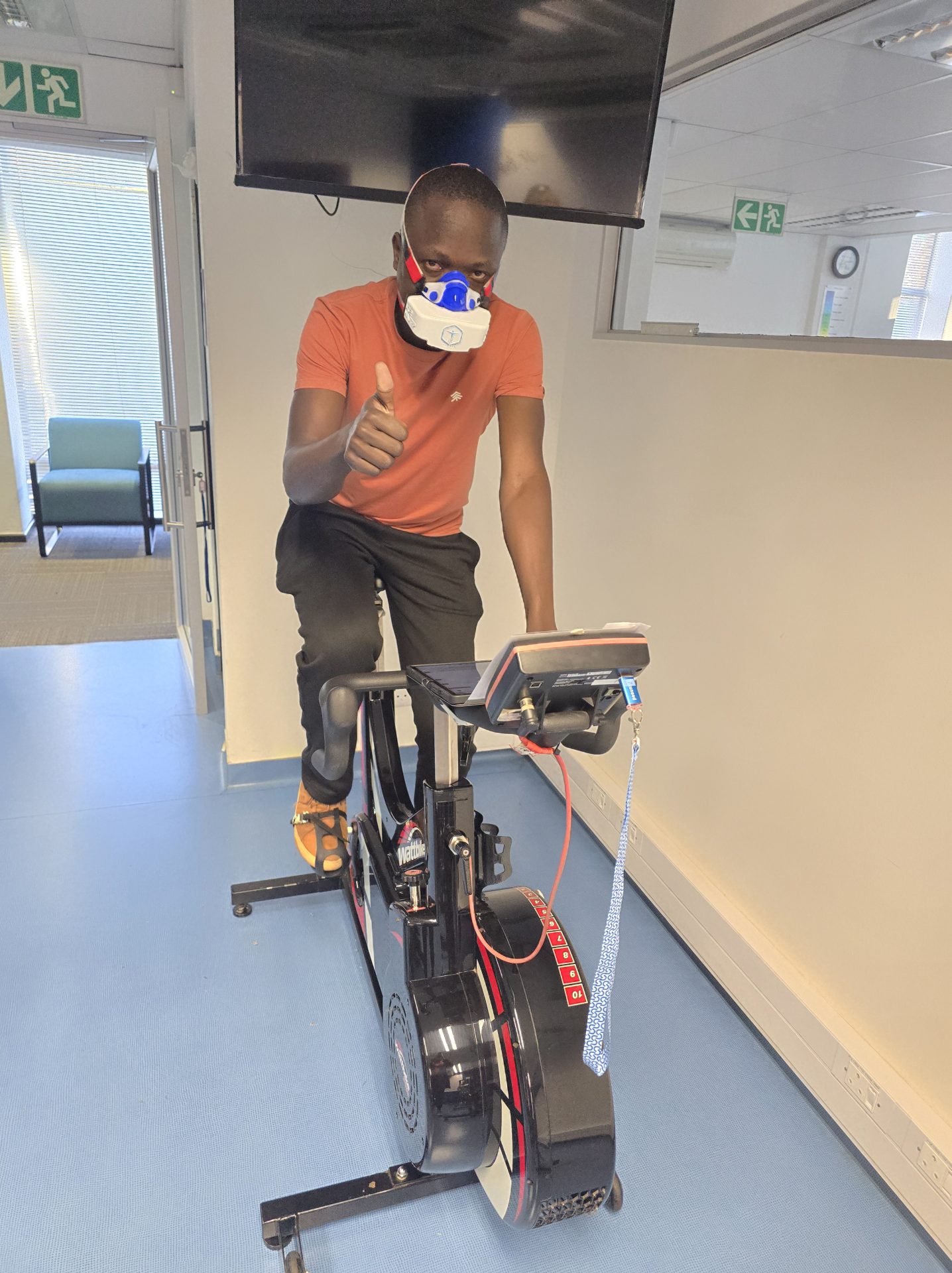
While the research could have far-reaching implications for sport and exercise science, participants are already seeing the benefits. They receive regular fitness assessments, body composition monitoring and guidance from qualified exercise scientists throughout the programme.
It’s not just about the science, something unexpected has emerged.
Related Stories
 Graeme College Boys Raise R13,000 for Project Flamingo!
 South Africa’s First Personalised Dry Dog Food Has Launched!
“We’ve found that people are making friends. There’s a real sense of camaraderie in the groups.”
Some participants have even become known for cycling in jeans, earning themselves the affectionate nickname of the “dad jeans group”. Like Megan mentioned, this is proof that commitment matters far more than expensive gear.
For Megan, the experience has been just as rewarding. Recovering from recent surgery, she said watching participants show up week after week has been inspiring.
“They come with such positive attitudes. You don’t have to have a lot to make a difference to someone else.”
Although the current phase of the study focuses only on men, Megan said that decision was made to control biological variables as the research is being conducted for the first time. She hopes future phases will include women, adding that many have already expressed interest in participating.
Looking ahead, her vision extends far beyond the university campus. She would like the algorithm to be made freely available so that anyone, from elite athletes to runners training in remote communities with only a basic fitness watch, can access meaningful training insights.
“We want to democratise high-performance training. Not everyone has access to expensive facilities, but everyone should have the opportunity to become the best they can be.”
Megan’s research could help shape a future where staying active becomes more achievable for everyone.
The research is still ongoing, and Megan is encouraging eligible volunteers to get involved. Those interested in joining the 12-week study are encouraged to contact Megan via email: [email protected]
 by